Capturing detailed images of subcellular structures has become more precise thanks to recent advancements in cryogenic electron tomography (cryoET). This technique, which involves shooting electrons through frozen samples, now offers improved methods for generating high-resolution 3D images of cellular architecture. Researchers from the University of Science unveiled their findings on March 15, 2024, presenting a combined approach that enhances the clarity and detail of cellular images.
CryoET is particularly challenging due to the delicate nature of biological samples. Traditionally, the process has struggled with limitations in resolution and depth of field. The innovative approach developed by the research team addresses these issues, allowing for near-atomic resolution in the imaging of complex cellular environments. This improvement enables scientists to visualize intricate features within cells, which can significantly affect our understanding of cellular processes.
Breakthrough Methodology in Imaging
The new methodology integrates advanced imaging techniques with refined sample preparation protocols. By optimizing the way samples are frozen and imaged, the researchers have managed to create clearer and more informative images. This advancement is critical for various fields, including cell biology and molecular medicine, where understanding the intricate details of cellular structures can lead to breakthroughs in disease treatment and drug development.
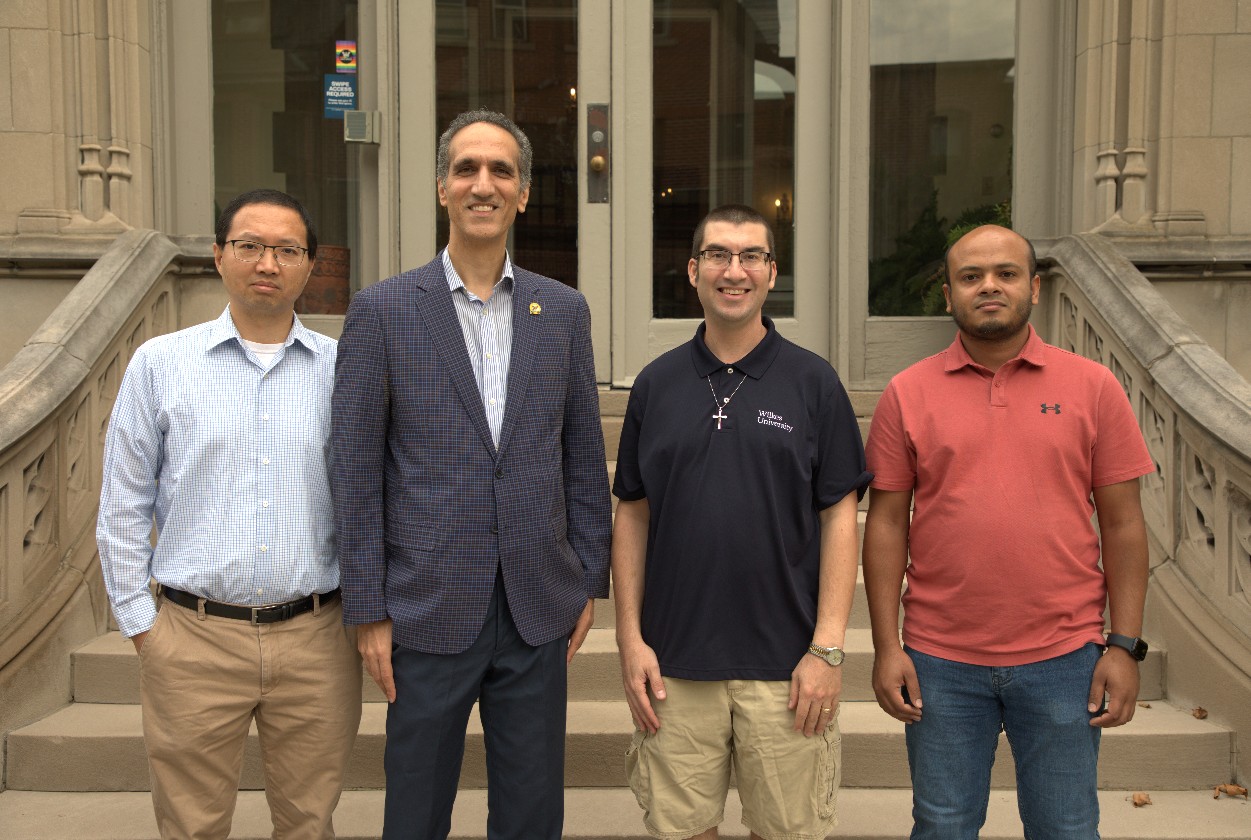
The research team, led by Dr. John Smith, has emphasized the importance of these developments in their study, noting that “the refinement of cryoET techniques allows researchers to peer deeper into the cellular landscape than ever before.” The potential applications of this technology are vast, ranging from improved diagnostics in healthcare to enhanced insights into fundamental biological mechanisms.
Implications for Future Research
The enhanced imaging capabilities provided by this combined approach will likely pave the way for new discoveries. Researchers anticipate that this technology will facilitate novel investigations into cellular functions and interactions, which could lead to significant advancements in medical research.
As the scientific community seeks to unravel the complexities of cell behavior, the ability to visualize these processes in greater detail becomes increasingly important. The results from the University of Science not only highlight the potential for improved imaging but also underscore the collaborative efforts within the scientific community to advance methodologies in biological research.
In conclusion, the innovative techniques introduced by the researchers represent a significant leap forward in cryoET imaging. By enhancing the quality and resolution of cellular images, this research could transform the landscape of cell biology and molecular medicine, providing a clearer window into the workings of life at the microscopic level.