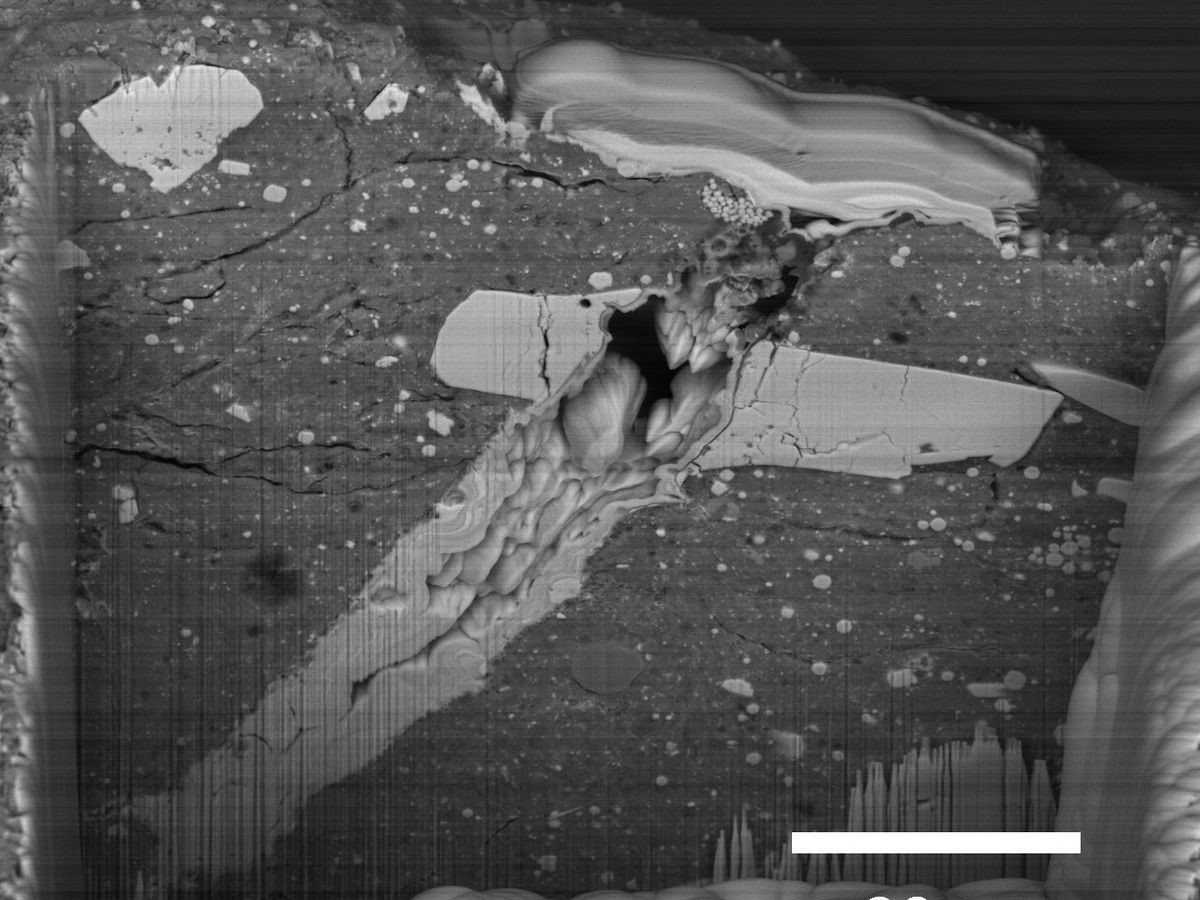
A groundbreaking discovery has occurred in space research as scientists have identified a key RNA component on an asteroid for the first time. This significant finding emerged from the analysis of samples collected from Asteroid Ryugu by the Japanese spacecraft Hayabusa2, which returned to Earth in December 2020. The research, published in the journal Nature, underscores the potential for extraterrestrial bodies to harbor essential building blocks of life.
The research team, led by scientists from NASA and other international institutions, focused on the analysis of materials extracted from Ryugu’s surface. They confirmed the presence of ribonucleic acid (RNA) components, a critical element for life as we know it. This discovery raises intriguing questions about the origins of life on Earth and whether similar compounds might exist elsewhere in the universe.
Understanding the Implications of the Discovery
The significance of finding RNA on an asteroid extends beyond mere curiosity. RNA plays a vital role in genetic coding, and its presence on Ryugu suggests that the building blocks of life may be more widespread than previously thought. Researchers are now exploring how these compounds could have contributed to the development of life on Earth approximately 4 billion years ago.
According to Dr. Takuya Hirabayashi, a leading researcher on the project, “This discovery not only provides insight into the origins of life but also opens new avenues for understanding how life might arise on other planets.” The findings suggest that asteroids like Ryugu could serve as reservoirs for organic materials, potentially influencing planetary formation and the emergence of life.
The Hayabusa2 mission, which was launched in 2014, aimed to gather samples from Ryugu, a carbon-rich asteroid located 300 million kilometers from Earth. The spacecraft successfully collected material from the asteroid’s surface during two sampling events in 2019, marking a significant achievement in space exploration.
Future Research Directions
In light of these findings, scientists are eager to conduct further analyses on the Ryugu samples. They plan to investigate the specific types of RNA components found, which could shed light on the chemical processes that led to the formation of life. Additionally, researchers aim to expand their search for similar compounds on other celestial bodies, such as comets and moons, to determine the prevalence of organic materials in the universe.
The discovery of RNA on Asteroid Ryugu is a pivotal moment in astrobiology, prompting a reevaluation of where and how life might emerge. As scientists continue to explore the cosmos, the implications of this research could redefine our understanding of life’s origins and its potential existence beyond Earth.
As exploration efforts advance, the scientific community remains optimistic about uncovering more secrets from Ryugu and other asteroids, potentially answering profound questions about human existence and the universe.