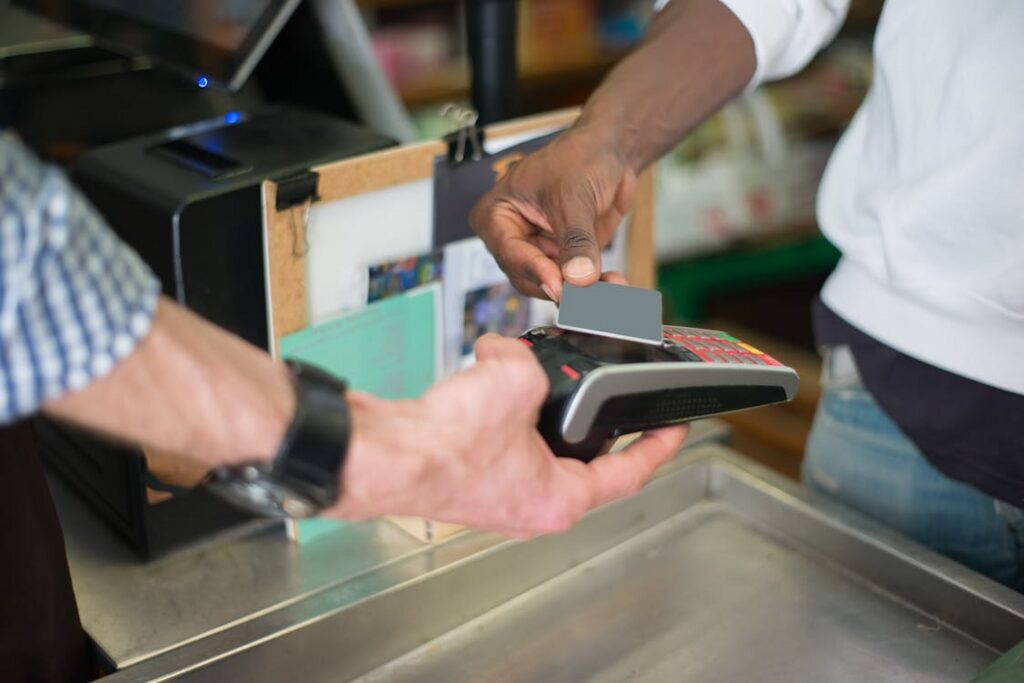
The digitization of retail operations has transformed how businesses manage inventory, sales, and customer engagement. While these advancements streamline processes, they also introduce significant vulnerabilities. Security experts emphasize that as retailers adopt cloud-based systems, tap-to-pay technologies, and mobile applications, they must simultaneously enhance their security measures to mitigate risks associated with digital threats.
Understanding Key Threats in Retail
Digital transformation in retail is not without its challenges. Cybercriminals increasingly target systems that facilitate quick money movement and depend on constant uptime. Among the most pressing threats are ransomware attacks, phishing schemes, and supply chain breaches.
Ransomware attacks have evolved to include not just system encryption but also data theft, which poses a dual threat by disrupting operations and jeopardizing customer trust. Retailers can better prepare for this risk by maintaining offline backups of their critical data. If core functions can be restored swiftly, the allure of ransomware diminishes significantly.
Phishing attacks have become more sophisticated, often utilizing artificial intelligence to mimic the tone and style of legitimate communications. This tactic exploits the retail industry’s reliance on email for tasks such as invoice approvals and urgent requests. Implementing two-person approval processes for high-value transactions can help reduce the likelihood of falling victim to these scams.
Supply chain and Software as a Service (SaaS) account breaches represent another critical area of concern. Attackers often target smaller vendors to gain access to larger retail networks. Retailers should vet their suppliers rigorously, ensuring they understand the data access granted and the security measures in place.
The Vulnerabilities of Digitized Operations
As retailers digitize their operations, they face new vulnerabilities that can compromise customer data and financial information. Cloud-based Point of Sale (POS) systems, while offering improved management and reporting, increase the risk of unauthorized access if not properly secured. Limiting access to admin panels, requiring multi-factor authentication, and isolating sensitive networks can help mitigate these risks.
Self-checkout systems have also become a focal point for criminal activity. These systems, while efficient, can be manipulated through hardware tampering and software vulnerabilities. Retailers should implement strict protocols surrounding device access and ensure that employees are trained to recognize and report suspicious activity.
Additionally, the storage of customer data across various platforms, including loyalty programs and e-receipts, creates a wealth of information that can be exploited. Retailers should adopt strict data retention policies, only storing information that is necessary and ensuring it is segmented appropriately to minimize exposure in case of a breach.
Physical security measures are increasingly reliant on effective cyber hygiene practices. Surveillance systems, smart gates, and sensors must be regularly updated to prevent exploitation. Retailers should prioritize placing Internet of Things (IoT) devices on separate networks and promptly addressing any security vulnerabilities.
Organized retail crime has also adapted to technological advancements, utilizing messaging apps to coordinate efforts and exploit digital return policies. Retailers must implement anomaly detection systems to monitor for unusual patterns in transactions, helping to identify fraudulent activities before they escalate.
The integration of artificial intelligence in surveillance systems can enhance theft prevention but may also raise privacy concerns. Retailers must balance security needs with customer trust by establishing clear data collection and retention policies.
Establishing a Robust Security Framework
To defend against digital threats, retailers should adopt a layered security approach rather than relying solely on expensive technology solutions. This includes establishing clear security protocols and training staff to recognize potential threats.
Implementing a zero-trust security model ensures that no device or user is granted special access simply by virtue of being within a store’s premises. Regular reviews of role-based permissions and immediate deactivation of accounts when employees change roles are essential practices that help reduce the risk of breaches.
Employees play a crucial role in security. Regular training sessions focusing on recognizing phishing attempts and unusual activity can empower staff to act decisively when they notice something amiss. Short, practical training sessions are more effective than infrequent, lengthy lectures.
Retailers should also prepare for incidents by developing a clear incident response plan. This plan should include critical contact information, procedures for isolating affected systems, and guidelines for communicating with affected parties.
Finally, small and mid-sized retailers should conduct regular audits of access and device usage, ensuring that only necessary personnel have administrative access to sensitive information. Establishing a vendor security checklist can help identify potential risks in third-party partnerships and ensure compliance with best practices.
By taking a proactive stance on security, retailers can protect their operations and customers while embracing the benefits of digital transformation. The most successful retailers will be those that recognize security as an integral part of their business strategy, creating a culture of vigilance and preparedness that deters cyber threats.