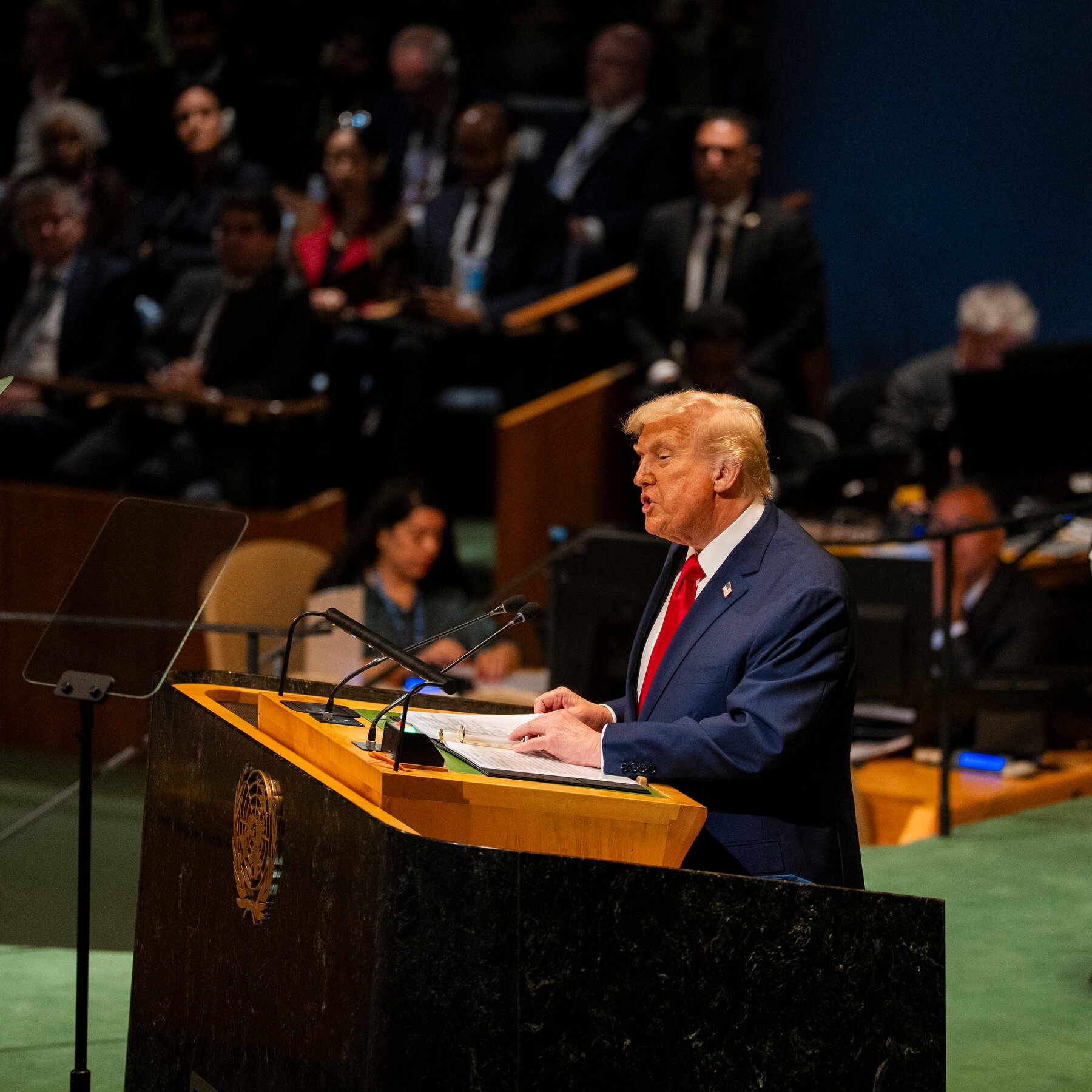
Former President Donald Trump officially withdrew the United States from the Paris Climate Accord on November 4, 2020. This significant decision marks a turning point in the global effort to combat climate change, as the accord is a landmark agreement among most nations aimed at reducing greenhouse gas emissions.
The Paris agreement was established in 2015, with nearly 200 nations committing to limit global warming to well below 2 degrees Celsius above pre-industrial levels. The United States, being one of the largest contributors to global emissions, played a crucial role in these discussions. Trump’s withdrawal could complicate efforts for any future administration seeking to re-enter the accord.
The move has drawn widespread criticism from environmentalists and global leaders who argue that the United States’ exit undermines international climate efforts. Many have expressed concern that without the U.S. commitment, the goals set by the accord may be more challenging to achieve.
Reactions and Consequences
In the wake of Trump’s announcement, responses varied widely. Environmental groups condemned the decision, emphasizing the need for collective action against climate change. David Doniger, a climate policy expert at the Natural Resources Defense Council, stated, “This is a reckless act that will have dire consequences for our planet.”
Conversely, supporters of the withdrawal, including key members of Trump’s administration, argued that the accord imposed unfair economic burdens on the United States. They claimed it would hinder job growth and economic recovery, particularly in regions reliant on fossil fuels.
The United States’ departure from the treaty raises questions about its future role in global climate negotiations. The Biden administration has signaled intentions to re-engage with international climate efforts, but the path back to the accord may be complicated by political divisions and the need for renewed domestic consensus.
Looking Ahead
As nations around the world continue to grapple with the effects of climate change, the absence of U.S. leadership could have lasting implications for international cooperation. The United Nations has emphasized the importance of unified action in addressing climate challenges, calling for all countries to adhere to their commitments.
In the coming years, the impact of Trump’s withdrawal will likely be assessed through various lenses, including environmental, economic, and diplomatic. The global community remains hopeful that the United States will eventually return to the table, fostering a collaborative approach toward a more sustainable future.
With climate change posing an increasingly urgent threat, the need for proactive measures and international cooperation has never been more critical. The future of the Paris Climate Accord and its goals will depend significantly on the decisions made by the next U.S. administration and its willingness to engage with the international community on this pressing issue.