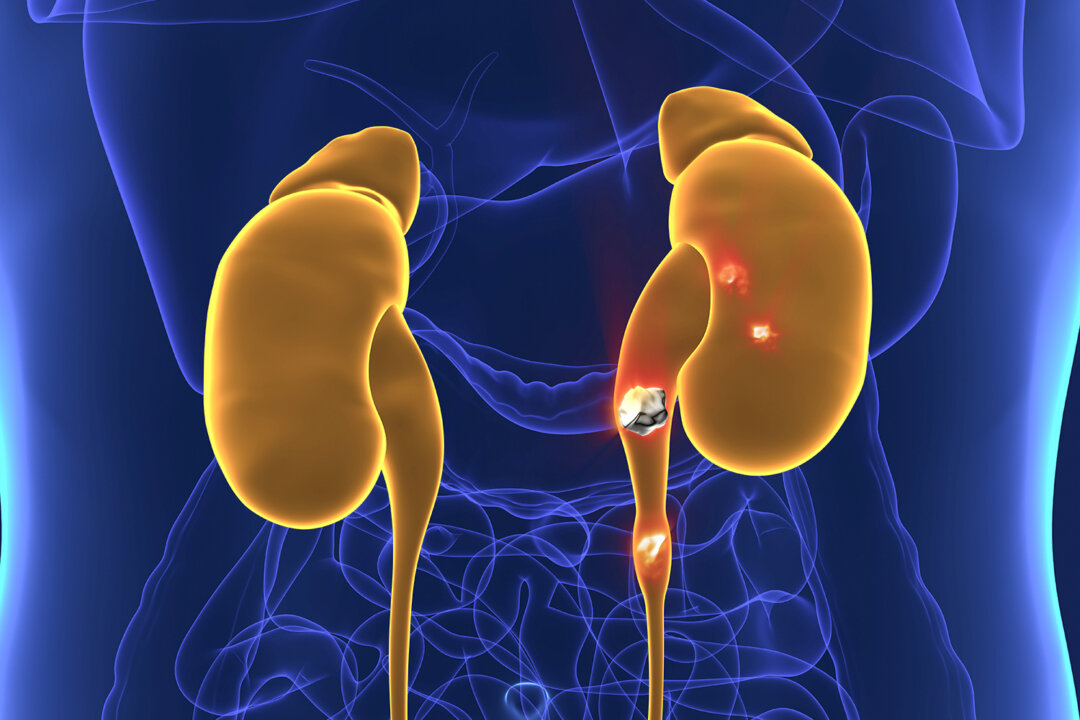
A recent study conducted by researchers at the University of California, Los Angeles (UCLA) has revealed a surprising new element in the formation of kidney stones. The research indicates that bacteria may not only reside within the stones but could also play a role in their development. This finding undermines longstanding beliefs about the origins of these painful formations, suggesting a more complex interaction between biological and chemical processes.
Dr. Kymora Scotland, the co-senior author of the study and an assistant professor of urology at the David Geffen School of Medicine, stated, “This breakthrough challenges the long-held assumption that these stones develop solely through chemical and physical processes.” Her comments highlight the significance of the discovery, which may pave the way for novel therapeutic strategies aimed at addressing the microbial aspects of kidney stones.
Implications of the Findings
The research team conducted extensive analyses, identifying bacterial colonies embedded within the most prevalent type of kidney stone. This challenges the traditional understanding that these stones form purely through mineral aggregation. The study suggests that bacteria could influence the crystallization process, potentially altering treatment approaches for individuals suffering from kidney stones.
The implications of this study are profound. Kidney stones affect millions worldwide, with over 10% of the population expected to develop them at some point in their lives. Current treatments primarily focus on managing symptoms and facilitating stone passage, often without addressing underlying causes. By acknowledging the role of bacteria, medical professionals may develop targeted therapies that not only alleviate symptoms but also prevent stone formation in the first place.
Dr. Scotland emphasized that this discovery “opens the door” to a deeper understanding of kidney stone formation. It highlights the necessity for further research into the microbial environment surrounding these stones, which could lead to innovative treatment modalities in urology.
Future Research Directions
The findings from the UCLA study will encourage additional investigations into the microbiological aspects of kidney stones. Researchers plan to explore the specific types of bacteria involved and how they interact with the stone-forming processes. Understanding these dynamics could lead to the identification of potential biomarkers for kidney stones, enabling earlier detection and intervention.
As scientists delve deeper into this area, it is crucial to consider how these discoveries will be integrated into clinical practice. This will not only enhance patient outcomes but may also reduce the overall burden of kidney stone disease on healthcare systems.
In conclusion, the UCLA study represents a significant shift in our understanding of kidney stones. By recognizing the role of bacteria in their formation, researchers are opening up new avenues for treatment and prevention. As the field of urology evolves, the integration of microbiological research could play a vital role in reshaping how kidney stones are approached and managed in the future.