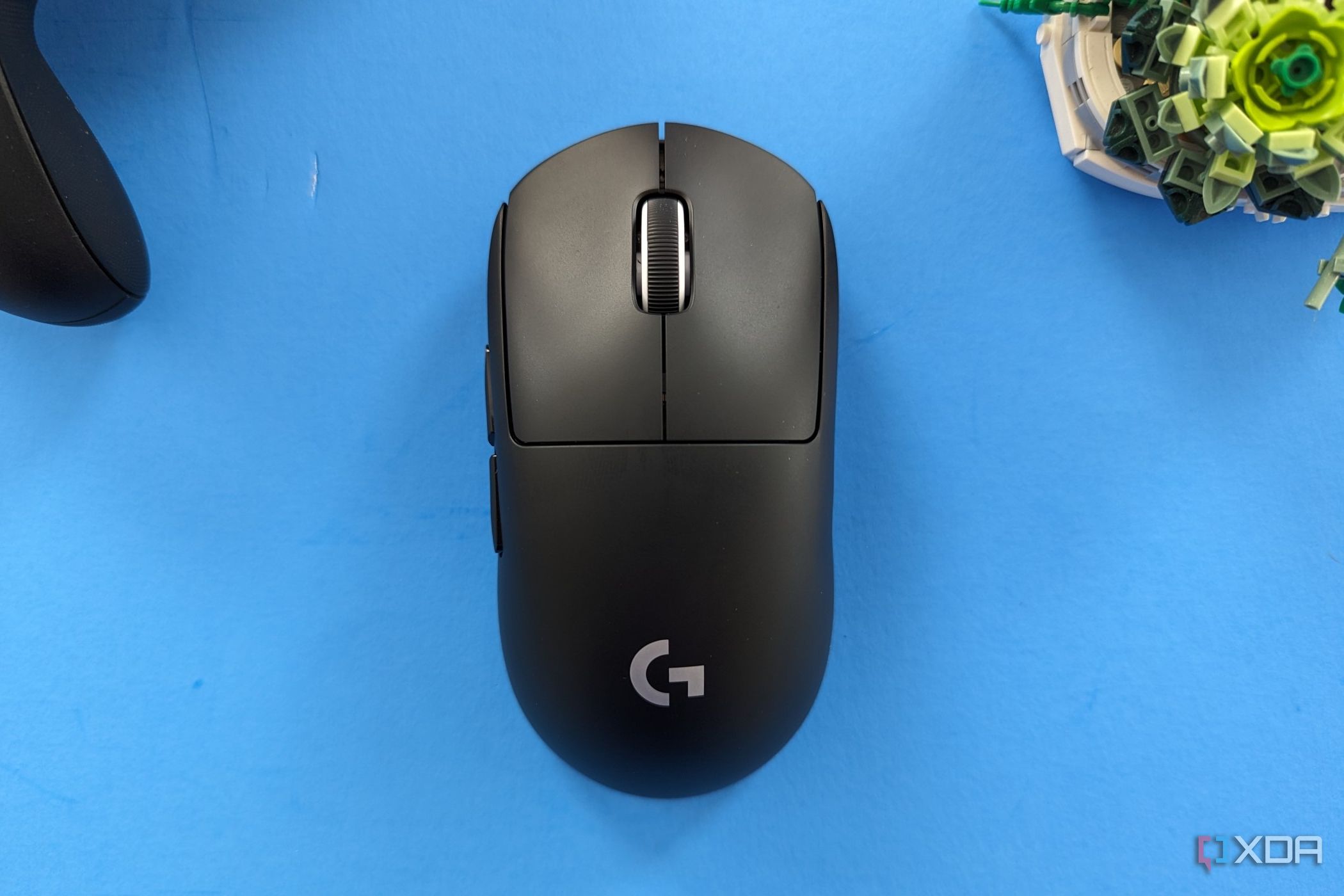
A growing number of gamers are shifting their focus from DPI (dots per inch) to polling rate when selecting a mouse for competitive play. This change stems from a deeper understanding of how these specifications impact gameplay and performance. While many beginners prioritize high DPI ratings, experienced players recognize that polling rate significantly influences their gaming experience.
Understanding polling rate is crucial. It denotes how often a mouse reports its position to the computer, measured in hertz (Hz). A mouse with a polling rate of 1,000 Hz sends data every millisecond, while a mouse boasting an 8,000 Hz polling rate can transmit data every 0.125 milliseconds. This difference is vital; lower polling rates can lead to input delays, affecting responsiveness, particularly in fast-paced games.
Polling Rate vs. DPI: What Matters More?
The misconception surrounding DPI often leads new gamers to prioritize it as a measure of precision. In reality, DPI serves primarily as a sensitivity multiplier. For instance, esports professionals typically operate within a DPI range of 400 to 1,600, indicating that anything beyond this threshold may not enhance performance. Increasing DPI beyond this range does not add detail to input; it merely alters cursor movement relative to hand movement.
Players often find that higher DPI settings can complicate aiming, particularly for those with less steady hands. The increased sensitivity may hinder precise movements rather than enhance them. In contrast, a higher polling rate results in smoother and more immediate responses, making it easier for gamers to execute quick adjustments and maintain control.
The Diminishing Returns of High Polling Rates
While higher polling rates do offer advantages, they also encounter diminishing returns. The transition from 125 Hz to 1,000 Hz is easily noticeable, and moving to 4,000 Hz can still present benefits for many players. However, the enhancements become subtler as one approaches 8,000 Hz. To fully appreciate the advantages of such high polling rates, a compatible high-refresh-rate monitor is essential.
The increased polling rates may lead to higher CPU interrupt frequencies, which can result in stuttering or inconsistent frame pacing in some scenarios. Yet, these issues tend to be more related to specific games or system configurations rather than inherent problems with the polling rate itself. For gamers equipped with modern CPUs, the additional load from 8,000 Hz polling is minimal.
A personal experience with the DeathAdder V3 Pro demonstrates the significance of polling rates. Upon upgrading to an 8,000 Hz dongle, the difference was immediate during gameplay on a 360 Hz monitor. The mouse felt more responsive and fluid, enabling easier tracking of opponents and micro-adjustments in aim.
As the gaming community continues to evolve, understanding the technical aspects of gaming hardware will remain crucial. While high DPI numbers may catch the eye, it is the polling rate that ultimately plays a more significant role in shaping a competitive gaming experience. Gamers are encouraged to focus on the specifications that truly enhance their performance, leading to improved aim and overall gameplay.