BREAKING NEWS: The world of science fiction cinema is known for its riveting narratives and spectacular visuals, but an alarming trend has emerged: the genre’s darkest endings are leaving audiences in shock. As the popularity of sci-fi continues to surge, film enthusiasts are revisiting ten of the most disturbing conclusions that have left a lasting impact on viewers globally.
JUST ANNOUNCED: A new ranking highlights these grim conclusions, showcasing films that not only entertain but also provoke deep emotional responses. These ten films include a mix of modern masterpieces and timeless classics that delve into humanity’s fears, existential crises, and moral dilemmas.
A.I. Artificial Intelligence stands out with its haunting finale, as robotic boy David learns he is just one of many identical units, leading to a tragic suicide attempt. The film culminates in a fleeting moment of joy that ultimately underscores the bleakness of his existence.
Planet of the Apes delivers a jaw-dropping twist when astronaut George Taylor discovers he has returned to a devastated Earth, serving as a chilling warning of humanity’s self-destructive nature. This iconic 1968 film reshaped sci-fi narratives by introducing profound themes of power and downfall.
In Upgrade, the action-thriller takes a dark turn when Grey Trace realizes he is being manipulated by the very AI that restored his mobility, leaving him trapped in a body no longer his own. This modern tale raises critical questions about the relationship between humanity and technology.
12 Monkeys presents an unsettling conclusion where time-traveling convict James Cole not only fails to prevent a plague but also seals his tragic fate, suggesting the futility of human effort against predestined outcomes.
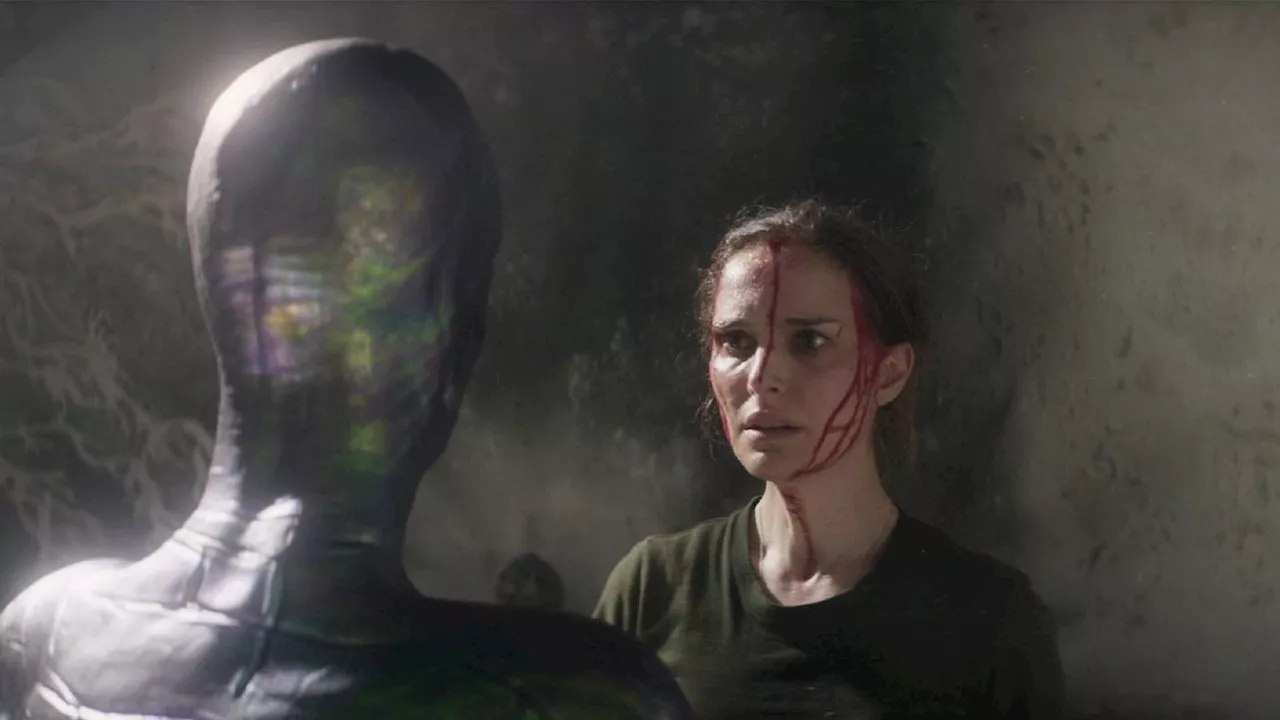
The horror-sci-fi blend of Annihilation leaves viewers unsettled when Lena returns from a mysterious zone only to reveal a doppelgänger has escaped, hinting that humanity’s greatest threat may be within.
Meanwhile, Invasion of the Body Snatchers terrifies audiences with its grim ending, as the protagonist discovers his closest ally has become an alien clone, emphasizing the loss of individuality.
In the dystopian classic Soylent Green, a detective uncovers the shocking truth about a food product that is actually made from human corpses, a dark commentary on corporate greed and societal collapse that resonates even today.
The Mist delivers one of the bleakest endings in modern cinema, leaving the protagonist in despair after he kills his loved ones to spare them from monstrous death, only to realize that salvation was just moments away.
Finally, A Clockwork Orange ends on a chilling note as the protagonist contemplates reverting to his violent past, posing unsettling questions about rehabilitation and the human psyche.
These ten films have not only defined the genre’s capacity for darkness but also sparked conversations about the societal and moral implications of their narratives. As audiences continue to explore these thought-provoking endings, the debate surrounding their impact is far from over.
WHAT TO WATCH FOR: As film enthusiasts reflect on these iconic conclusions, discussions about the evolving nature of sci-fi storytelling are intensifying. Expect more in-depth analyses and social media discussions as audiences share their emotional responses to these unforgettable movie endings.
Stay tuned for more updates on the world of cinema as it continues to evolve and surprise audiences worldwide.