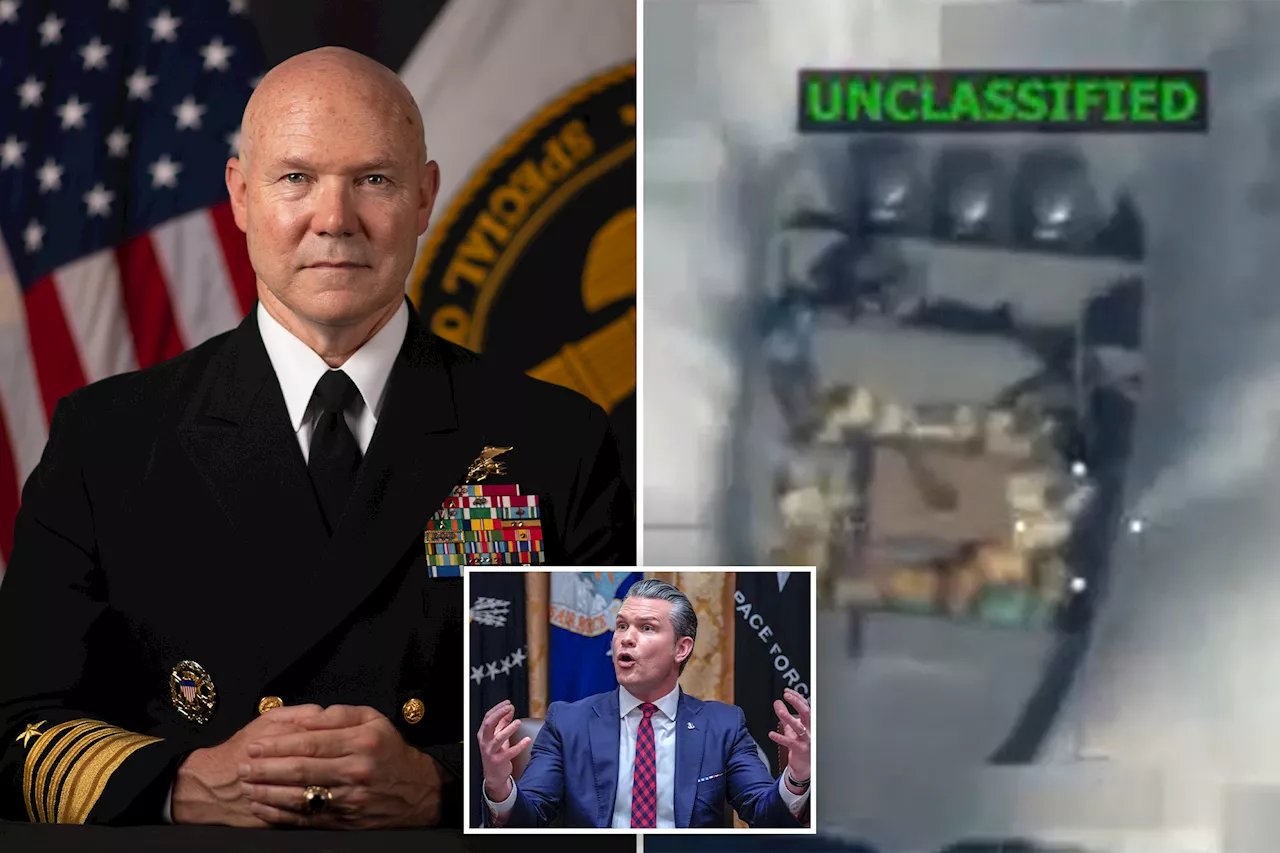
UPDATE: Admiral Frank Bradley is set to brief House and Senate lawmakers today regarding the controversial September 2nd military strikes in the Caribbean Sea that resulted in the deaths of 11 people. This urgent meeting follows mounting investigations into the operation, raising critical questions about the treatment of survivors and the rules of engagement.
The briefing comes amid escalating scrutiny over the strikes, which targeted a suspected drug-running vessel. Reports indicate that Admiral Bradley, who authorized the initial missile strike and subsequent attacks, will explain his decision-making process and the rationale behind considering survivors as potential combatants. This clarification is vital as the operation has drawn significant media attention, including coverage from the Washington Post and New York Times.
President Trump has shown support for releasing surveillance footage from the strike, which could provide crucial insights into the incident. The White House has hinted at further military actions, emphasizing the administration’s commitment to combating drug trafficking in the region. Trump remarked on the seriousness of the situation, stating that smugglers were “killing our people” and confirming the U.S. military’s knowledge of their operations.
The implications of today’s briefing are significant. Lawmakers aim to assess whether the actions taken during the operation were justified and to ensure accountability for any potential violations of the laws of war. The War Secretary, Pete Hegseth, directed the operation, which has since led to over 21 military operations against suspected drug smugglers in the Caribbean and eastern Pacific, resulting in more than 80 deaths.
Public interest is high as the investigations seek to clarify the complexities surrounding military engagement rules. Key areas of focus will include the threshold for classifying combatants, the adequacy of military training, and the communication protocols between the War Department and field commanders. Lawmakers are expected to delve into the evidence that justified the additional strikes and the intelligence regarding the survivors’ actions.
As this situation unfolds, the potential release of the surveillance video remains a pivotal factor. Its contents could either corroborate or contradict the claims made by various officials. The findings from ongoing investigations will likely have lasting repercussions on military procedures and the administration’s drug policy, drawing attention to the ethical dilemmas faced by military leaders in modern operations.
Admiral Bradley’s briefing is scheduled for later today, with all eyes on the Capitol as lawmakers seek clarity on a decision that has sparked national debate over military ethics and accountability. As the situation develops, it underscores the ongoing challenges of addressing drug trafficking while adhering to the laws of war and protecting civilian lives.
Stay tuned for updates as this story continues to evolve, and the implications of Admiral Bradley’s testimony may resonate well beyond the halls of Congress.