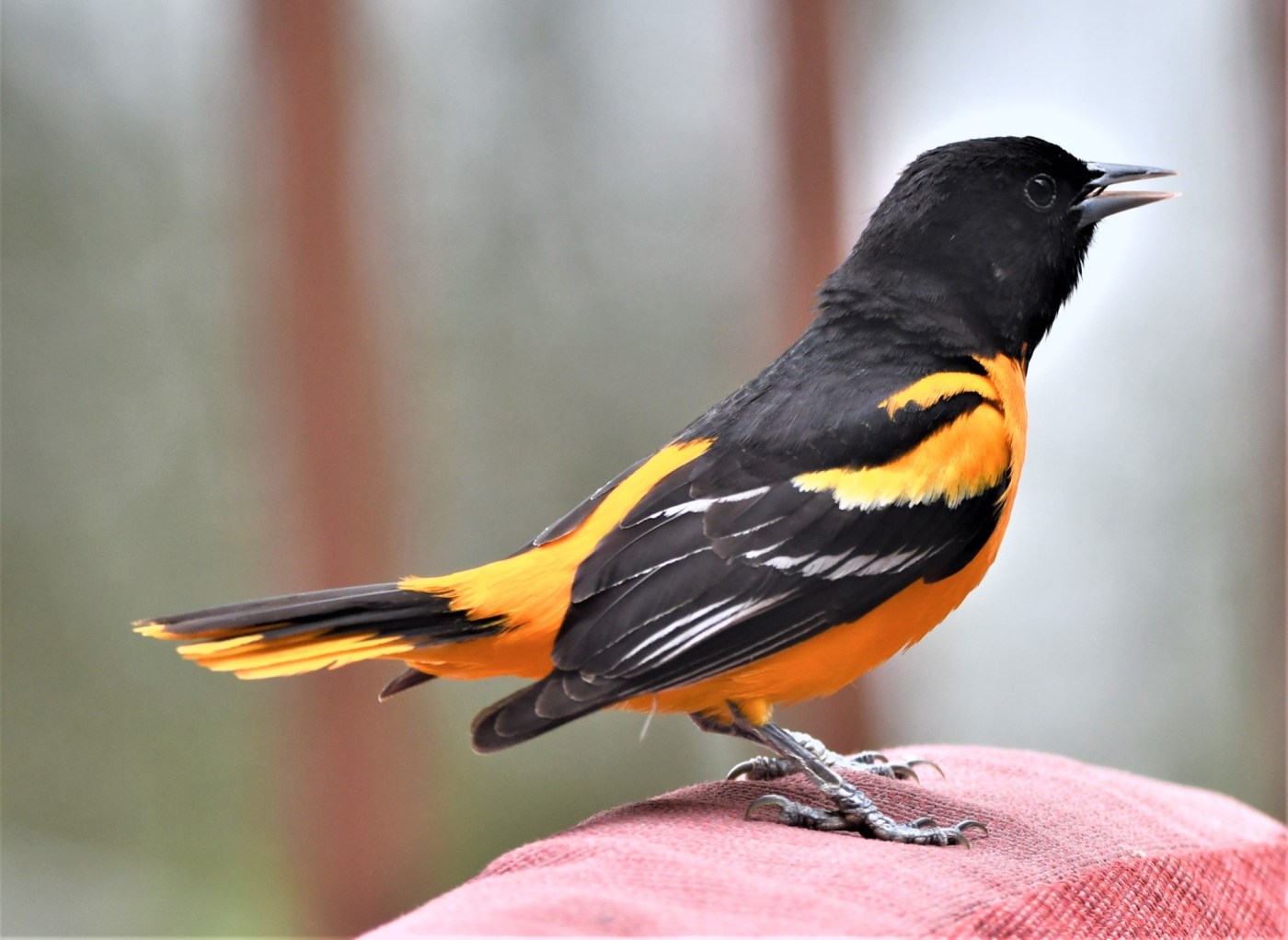
UPDATE: The 126th Christmas Bird Count is officially underway, inviting tens of thousands of volunteers to participate across North America until January 5, 2024. This annual event not only celebrates the joys of birdwatching during the holiday season but also plays a critical role in monitoring the health of bird populations.
The Christmas Bird Count, the longest-running citizen-science survey globally, allows researchers and conservationists to gather vital data on bird populations. Participants count birds within designated Count Circles, each spanning a 15-mile diameter, led by experienced birdwatchers known as Count Compilers. This year, early winter counts are expected to reveal surprising trends, especially given the fluctuating weather conditions.
Volunteers can join local counts or even report birds from their own backyards, making this a unique opportunity for everyone, regardless of their experience level. Interested participants can find a Count Circle and sign up via the Audubon Society’s website at www.audubon.org.
However, in a troubling twist, authorities are responding to a serious health concern: over 400 dead snow geese have been discovered at a quarry in Northampton County, Pennsylvania. The suspected cause? Avian influenza. The Pennsylvania Game Commission is actively coordinating a response, including testing and safe disposal of the deceased birds. This outbreak, which began impacting wild birds in the U.S. in January 2022, continues to pose a risk, sparking alarm among wildlife enthusiasts and birdwatchers alike.
According to Travis Lau, communications director for the Game Commission, these alarming findings underscore the critical need for public vigilance. Wild waterfowl, including snow geese, are known carriers of the virus, shedding it without showing symptoms. This situation has profound implications, particularly for other bird species and for those who enjoy observing them.
Public health officials, including the U.S. Centers for Disease Control and Prevention, have indicated that while the virus can infect humans, the current outbreak is primarily an animal health issue, posing a low risk to the general public. Still, precautions are essential. Birdwatchers are advised to maintain hygiene when handling bird feeders and to report any sightings of sick or dead birds to local authorities.
The Christmas Bird Count not only fosters community engagement and conservation efforts but also provides invaluable data for ongoing research. Previous analyses have shown significant shifts in bird populations due to climate change, highlighting the importance of this initiative in understanding environmental impacts.
As volunteers take to the fields and backyards, the data collected during this count will contribute to broader studies on species populations, helping to shape conservation strategies for years to come.
This holiday season, your involvement could help safeguard the future of North America’s bird species. Don’t miss out on this opportunity to make a difference—join the Christmas Bird Count today!