BREAKING: Bulgaria’s government has officially resigned as of October 12, 2023, following widespread protests that have shaken the nation in recent weeks. This dramatic political shift comes just weeks before Bulgaria is set to join the eurozone, a move that has sparked both hope and unrest among citizens.
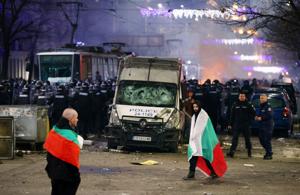
The resignation was announced earlier today in Sofia, where crowds have taken to the streets demanding change and accountability from their leaders. Protesters have expressed frustration over economic struggles and governance issues, culminating in this urgent political upheaval.
The timing of this resignation is critical, as Bulgaria prepares for its transition to the euro on January 1, 2024. Citizens are increasingly concerned about how this change will impact their daily lives and the nation’s economy. According to recent polls, approximately 70% of Bulgarians express skepticism about the euro’s adoption, fearing it will lead to higher prices and further economic instability.
In a statement, Prime Minister Galab Donev acknowledged the public’s discontent and emphasized the need for a government that reflects the will of the people. “We respect the voices of our citizens and will work towards a peaceful transition during this critical time,” Donev said during a press conference in Sofia.
The protests began several weeks ago, igniting a wave of anger over rising living costs and perceived corruption. Demonstrators have gathered in front of the Parliament building, calling for greater transparency and immediate reforms. As tensions mount, the future of Bulgaria’s political landscape remains uncertain.
As the situation develops, analysts are closely monitoring the potential impacts on Bulgaria’s eurozone entry. Economic experts warn that political instability could jeopardize financial agreements and investor confidence.
Citizens and international observers alike are watching to see who will step in to lead Bulgaria as it navigates this turbulent period. The next steps for the government remain unclear, with calls for both new elections and immediate policy changes gaining traction among protest leaders.
This resignation marks a significant moment in Bulgaria’s political history and raises questions about the nation’s readiness for eurozone integration. With the pressure mounting, the new government will face immediate challenges in addressing the public’s demands and restoring confidence in leadership.
Stay tuned for updates as this story unfolds and as Bulgaria enters a pivotal chapter in its journey towards eurozone membership.