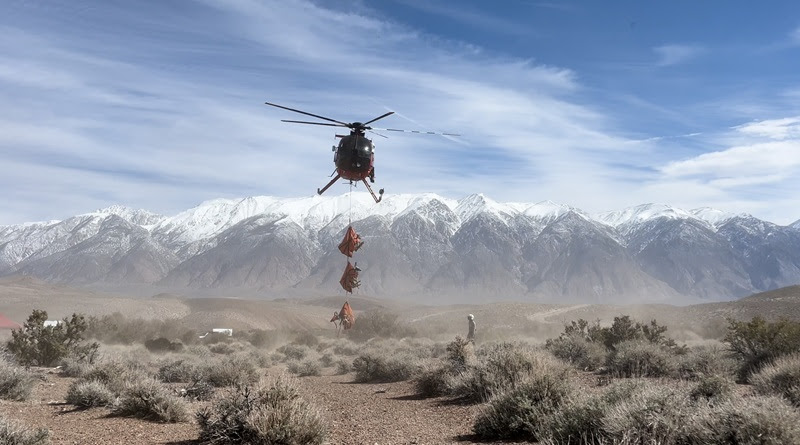
UPDATE: The California Department of Fish and Wildlife (CDFW) has just announced an urgent initiative to capture and collar deer, elk, and wolves across Northern California, starting in January 2026. This high-stakes operation will utilize helicopters to conduct captures in Tehama County and surrounding areas, aiming to enhance understanding of wildlife patterns in the region.
The CDFW plans to deploy teams for the capture and collaring of wolves specifically in Siskiyou, Lassen, and Tehama counties. Following the collaring process, these wolves will be released back into their natural habitats. The collars will deliver critical data on animal movements for up to three years, offering insights into species distribution, habitat use, and migration patterns.
Currently, the CDFW provides tracking data for collared wolves on their website, although it does not reflect real-time locations. The perimeter displayed is designed to aid livestock producers while preserving the privacy of exact wolf movements.
In a recent statement, the CDFW emphasized the importance of this initiative: “The collars will provide daily information to assist in reducing negative interactions between wolves and livestock producers.” This data-sharing aims to empower agricultural stakeholders while promoting coexistence with wildlife.
The urgency surrounding this initiative follows multiple discussions at Tehama County Board of Supervisors meetings regarding the local wolf population. In November, Agricultural Commissioner Thomas Moss highlighted the potential for hiring a trapper from the U.S. Department of Agriculture to support monitoring efforts. On December 9, the Board approved a resolution opposing the presence of wolves in the county, underscoring the tension between wildlife conservation and agricultural interests.
Moss recently updated the Board about a collaborative meeting with CDFW personnel in Sacramento. “We spent a day down there working together with folks from all sides of the aisle,” he stated. Although he felt progress was limited, he acknowledged the need for counties to enhance their roles in monitoring wolf populations.
With CDFW’s planned captures set to occur on public lands managed by the agency, the Forest Service, or the Bureau of Land Management, there may also be captures on private properties with landowners’ consent. This comprehensive approach underscores the urgency of managing wildlife populations in the face of growing concerns from local farmers and ranchers.
As this capture program unfolds, stakeholders are closely monitoring developments to ensure effective wildlife management while safeguarding agricultural operations. The CDFW’s proactive measures could set a precedent for how wildlife and human interests can coexist in Northern California.
Stay tuned for more updates on this developing story as the CDFW prepares for its January operations. The implications for both wildlife conservation and local agriculture are significant, making this an essential issue for residents and stakeholders in the region.