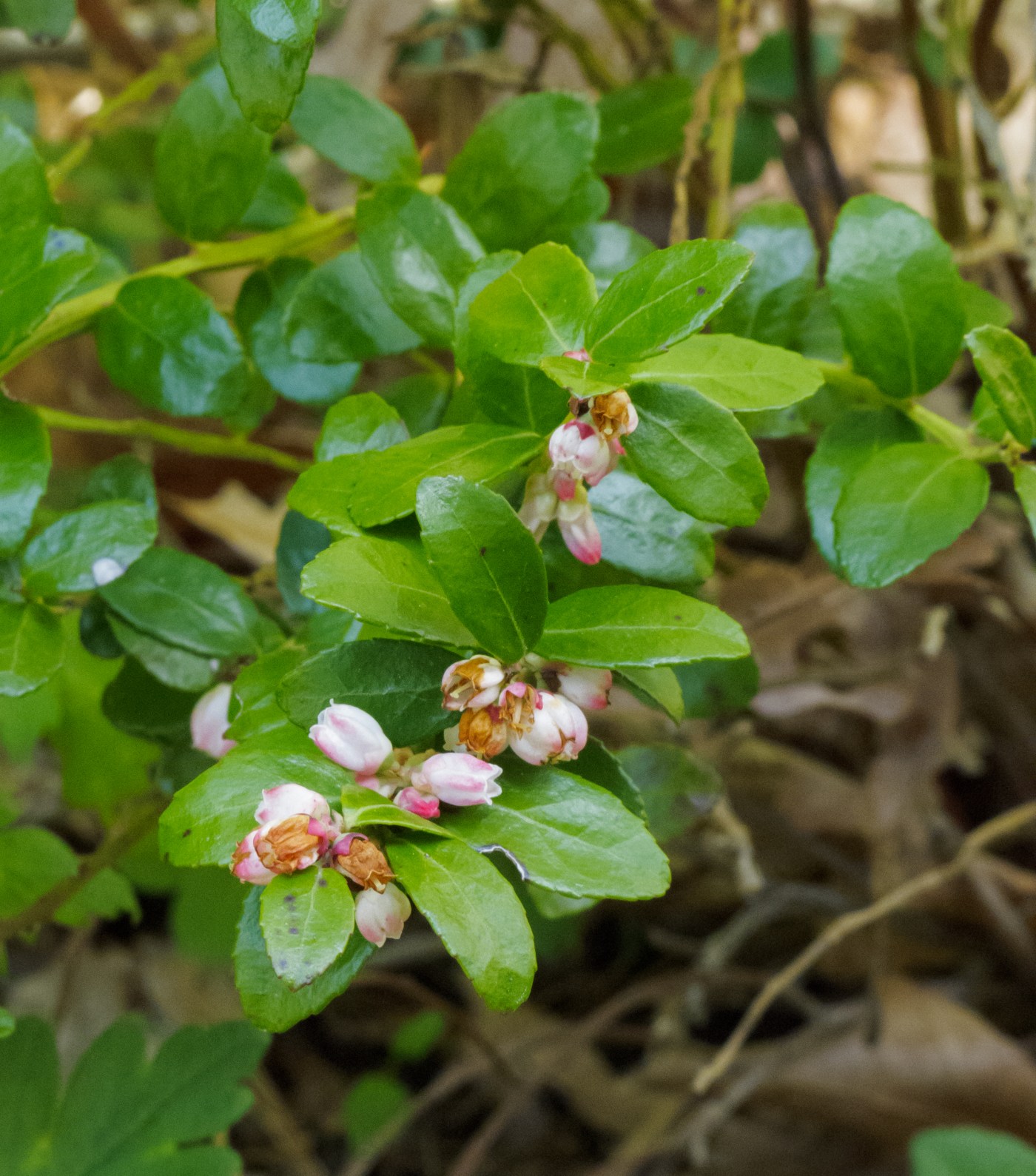
The potential for cultivating evergreen huckleberry, specifically the species Vaccinium ovatum, in central Maryland raises questions among gardening enthusiasts. While this species is native to the Pacific coast and does not naturally occur in Maryland, it may theoretically survive in the region’s climate. However, its success depends heavily on specific temperature and rainfall conditions that may not align with Maryland’s environment.
Maryland boasts ten native species of Vaccinium, with approximately six being relatively common. Not all of these species yield edible fruit. For instance, the deerberry (Vaccinium stamineum) produces seeds in dry capsules rather than fleshy fruits, underscoring the diversity among huckleberry types. Among the local varieties that do produce fruit, blueberries are predominant, with only one or two cranberry species present. Notably, Maryland is home to four native species of Gaylussacia huckleberries, including the box huckleberry, which is both globally rare and locally endangered.
Given the ecological significance of the box huckleberry, experts advise against planting this species sourced from out-of-state suppliers. Introducing non-native plants could compromise the local gene pool, potentially affecting the resilience of native populations to Maryland’s unique weather conditions. Like their relatives, such as blueberries and cranberries, huckleberries require acidic, well-draining soil. While some species may tolerate drought or wet roots, cultivating them can be challenging in a region that does not provide their preferred growing conditions.
For gardeners interested in low-growing evergreens, alternatives that are easier to source and more adaptable to Maryland’s climate may be preferable. Embracing the deciduous nature of native huckleberries can provide vibrant fall foliage and support local wildlife.
Evaluating Soil Health and Lawn Care
Another common inquiry from Maryland residents concerns the use of humic acid for lawn care. Some lawn care companies recommend the application of humic acid, kelp meal, and other so-called “biostimulants.” However, research does not reliably demonstrate a significant benefit from these additives, particularly given their associated costs.
If the fundamental site conditions—such as sunlight, soil drainage, and acidity—are unsuitable for grass growth, adding supplements will not resolve underlying issues. Conversely, if a lawn is thriving, additional stimulants are unlikely to produce noticeable improvements.
For those suspecting soil fertility issues, submitting a sample to a testing laboratory is advisable. The resulting report can guide necessary adjustments, such as nutrient additions or pH modifications. Testing can also reveal organic matter content, which can be enhanced through practices like using a mulching mower that returns clippings to the soil.
If a lawn shows signs of decline, addressing core issues such as root damage or environmental stress is crucial. Strategies could include aeration, replanting in overly shaded areas, or applying lime or fertilizers based on laboratory recommendations.
It is important to note that Maryland law restricts lawn applications of nitrogen and phosphorus to protect local water quality. For more information on gardening and pest management, residents can access resources through the University of Maryland Extension’s Home and Garden Information Center at extension.umd.edu/hgic, where they can also submit questions and share photos.