UPDATE: Egypt has initiated a significant revision of its peace agreement with Israel, officially confirming a shift in diplomatic relations driven by ongoing tensions in Gaza. This urgent move comes in response to Israel’s military actions in the Philadelphi Corridor, which Egypt views as a serious breach of the foundational 1979 Camp David Accords.
Cairo’s recalibration reflects a growing alarm over what it describes as Israel’s “occupation” of the border region since hostilities escalated on October 7. According to a well-placed Egyptian source, this situation threatens the territorial integrity promised by the peace treaty, which established mutual respect for borders and security measures between the two nations.
Egypt perceives Israel’s military presence in the Philadelphi Corridor as a blatant violation of Article II of the treaty, which mandates the respect for sovereignty. The ongoing conflict has severely eroded trust, yet both countries continue security coordination to prevent an unintended war, a critical concern as Egyptian public sentiment towards Israel grows increasingly hostile.
Cairo’s new stance includes non-negotiable conditions for future relations:
1. **Sustained Military Presence in Sinai:** Egypt will maintain its military build-up in Sinai to deter any Israeli attempts to displace Gazans into its territory, an action officials warn could be seen as a “declaration of war.”
2. **Conditional Diplomacy:** Any return to high-level talks, such as the previous Sisi-Netanyahu summit, is contingent upon Israel’s complete withdrawal from Gaza and a commitment to Palestinian self-determination.
3. **Compartmentalized Cooperation:** While security coordination and trade—like the landmark $35 billion gas deal—will persist, these must remain distinct from broader political negotiations, preventing Israel from leveraging them for geopolitical concessions.
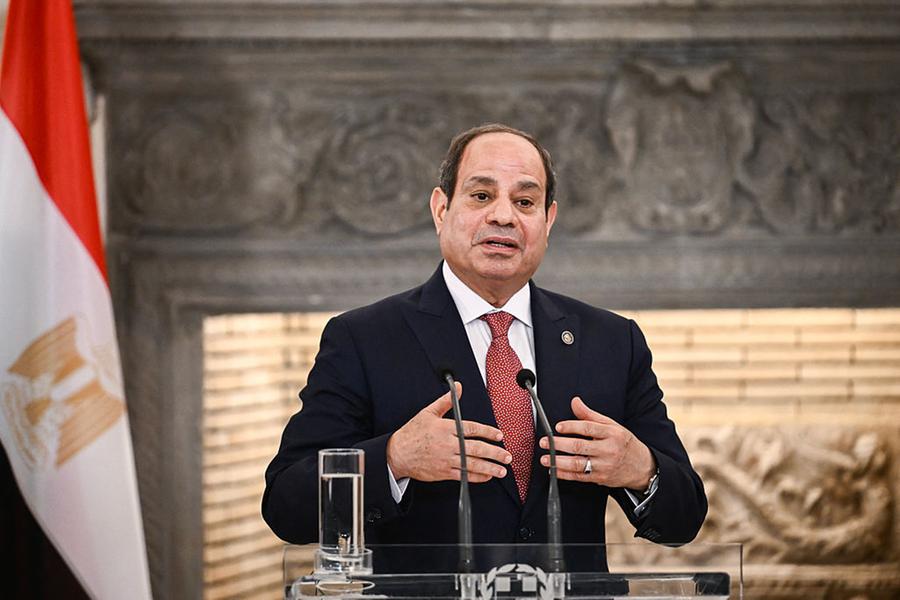
4. **Engagement on Egypt’s Terms:** Egypt insists that all strategic discussions occur under its conditions, illustrated by President Sisi’s refusal to visit the White House while hosting President Trump in October 2025 at the Sharm El-Sheikh summit.
This strategic repositioning is not merely theoretical; it represents a profound shift in how Egypt engages with Israel and the United States. By leveraging the Camp David Accords, Egypt is amplifying its influence over Washington, forcing its demands regarding Gaza to the forefront of U.S. foreign policy discussions.
Cairo’s diplomatic defiance is unprecedented, exemplified by President Sisi’s refusal to approve the appointment of Israel’s designated ambassador, Ori Rotman, and keeping its own ambassador in Tel Aviv vacant. This public snub was notably timed with the anniversary of the peace treaty on March 26, highlighting a hardened principle of engagement that prioritizes its national interests.
As Egypt navigates this new diplomatic landscape, the pre-October 7 status quo is viewed as obsolete. The implications of these developments are significant—not only do they reshape the Egypt-Israel relationship, but they also pose potential risks for regional stability.
Observers are urged to watch closely as Egypt continues to wield its influence in the evolving geopolitical context, insisting that its vital security concerns be respected. With tensions high, the situation remains fluid, and the international community is closely monitoring the potential fallout from these developments.
Egypt’s revised approach represents a critical juncture in Middle Eastern diplomacy, and as the situation unfolds, the world waits to see how these changes will impact broader regional dynamics.