UPDATE: Electricity prices are soaring across the United States, with a staggering 10.5% increase from January to August 2023, just as winter approaches. This surge is more than three times the annual inflation rate, leaving many households reeling as they prepare for colder months.
According to the National Energy Assistance Directors Association (NEADA), while some regions saw a decrease in rates, nine states experienced increases exceeding 20%. Leading the charge are Missouri with a jaw-dropping 37.4% rise and North Dakota at 30.3%. Alarmingly, 19 additional states logged increases between 10% and 20%.
The implications are immediate and severe. As energy affordability becomes a pressing political issue, U.S. electricity providers have proposed and secured $34 billion in rate increases this year, more than double last year’s $16 billion. These changes are expected to impact consumers significantly, especially as many rely on electric heating during the winter months.
Experts cite three primary factors driving this inflation. First, an aging power grid is in dire need of replacement, which is costly. Charles Hua, founder of Powerlines, emphasizes that utilities benefit financially from building new infrastructure rather than improving existing systems.
Second, the increasing frequency and severity of extreme weather events—such as storms and wildfires—have damaged energy infrastructure, necessitating costly upgrades rather than simple repairs. These events have also escalated insurance costs for utility companies.
Lastly, rising fuel costs, particularly for natural gas—which constitutes about 43% of U.S. electricity generation—are putting additional pressure on consumer bills. Following the initial spike linked to geopolitical tensions, gas prices have begun to rise again, and many states allow utilities to pass these costs directly to consumers.
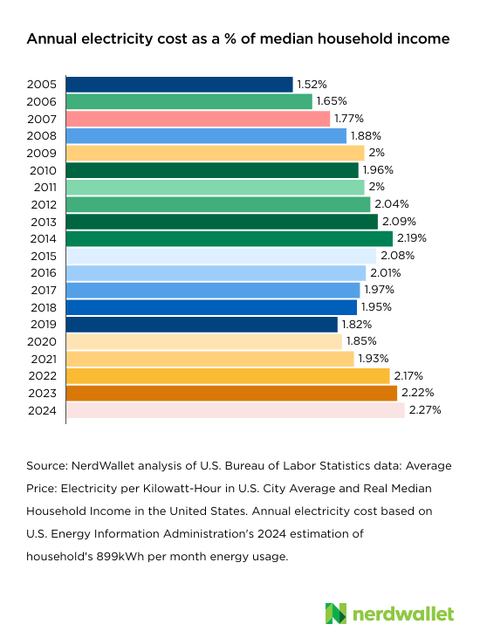
For households already struggling, the situation is dire. The average monthly electric bill is projected to rise from $121 in 2021 to $156 by 2025. In Pennsylvania, power shutoffs have surged 21% this year, impacting 270,000 homes. This financial strain could push more families into hardship as energy costs become a focal point in political campaigns, similar to issues surrounding food prices in previous elections.
Hua warns that as winter approaches and more Americans rely on electricity for heating, these issues will escalate. “The intersection of financial and political pressures will create an unpredictable storm around utility bill costs,” he states.
Looking ahead, there is hope for relief. Hua believes that increased scrutiny on energy affordability may prompt regulators to enhance the efficiency of existing grid infrastructure, which currently operates at only 40% to 50% efficiency. Emerging technologies could potentially boost this to 60% to 70% at a fraction of the cost of new construction.
In the meantime, homeowners are urged to improve energy efficiency in their homes. For those facing financial difficulties, programs like the Low Income Home Energy Assistance Program (LIHEAP) are available to help mitigate costs, although they have faced political challenges recently.
With the winter months fast approaching, the pressure on energy prices will only intensify. Consumers must brace for the impact, and policymakers will need to address the growing crisis of energy affordability. This situation is developing rapidly, and residents are advised to stay informed on potential assistance programs and ongoing changes in electricity rates.