UPDATE: The European Union has just announced a groundbreaking initiative to support the electric vehicle market, introducing the new “M1E” category for small electric cars. This development is critical for automakers as it provides significant incentives to accelerate the shift towards electric mobility.
The EU’s latest “Automotive Package” establishes that to qualify for the M1E classification, vehicles must be no longer than 4.2 meters (165.3 inches), fully electric, and manufactured in one of the EU’s 27 member states. This move is expected to simplify regulations and boost the production of small electric vehicles, addressing the urgent need for cleaner transportation options.
Why This Matters NOW: With the EU moving to potentially loosen fleet emissions targets beyond 2035, the introduction of the M1E category serves as a vital step in maintaining the momentum towards a greener future. Automakers can gain a 30-percent advantage towards their CO2 compliance targets through “super credits,” where each M1E vehicle counts as 1.3 towards emissions reduction efforts.
This initiative not only promotes the development of affordable electric cars but also safeguards local jobs by requiring production within the EU. Such measures are essential as the automotive industry faces increasing competition from global players, particularly from China.
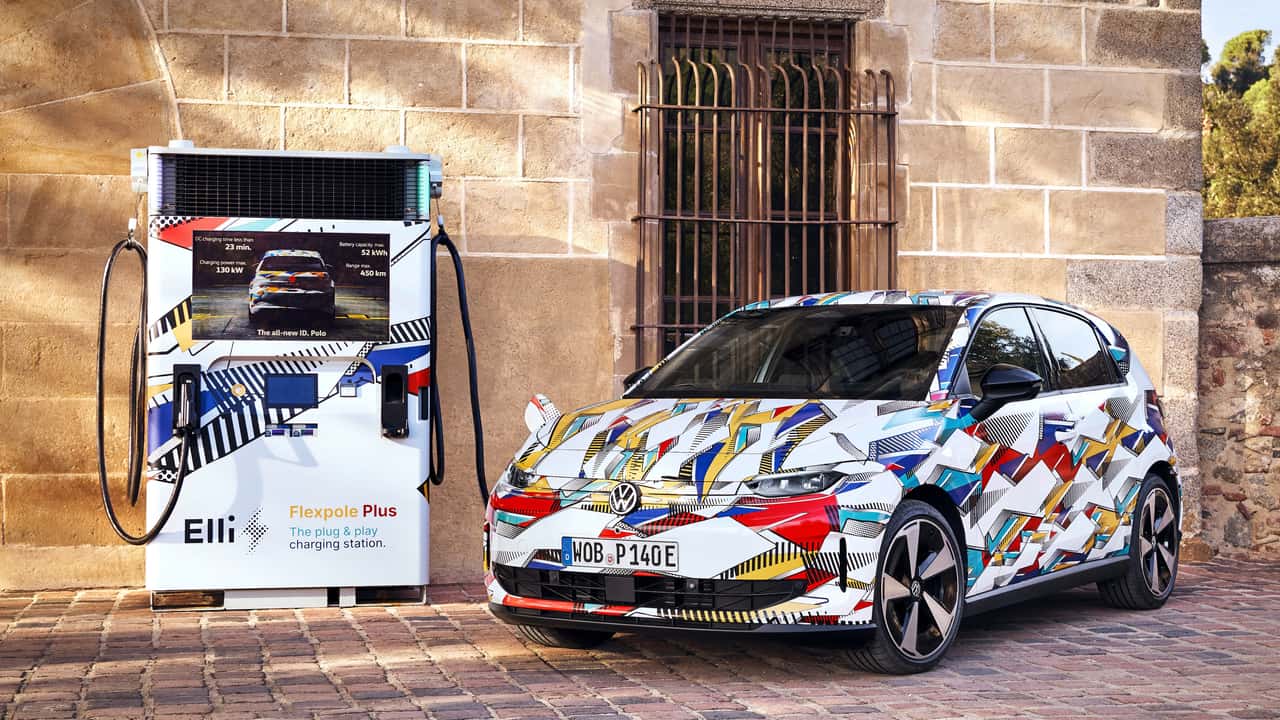
Automakers like Renault, Volkswagen, and Kia are already in line to benefit, with models such as the Renault Twingo and Volkswagen ID. Polo qualifying for the M1E status. However, vehicles manufactured outside the EU—or those like the Mini Cooper produced in China—will not be eligible, emphasizing the EU’s commitment to local production.
The EU’s plan includes a freeze on M1E requirements for 10 years, providing manufacturers with the certainty needed for long-term investment. Owners of M1E vehicles can expect additional perks, including road toll exemptions and easier access to parking and charging stations.
Despite some criticism regarding the EU’s decision to step back from a strict ban on combustion-engine vehicles by 2035, the M1E category is being welcomed across the automotive landscape. It supports a dual approach, allowing manufacturers to maintain combustion-engine sales while still pushing for electric vehicle adoption. Automakers are still required to cut CO2 emissions by 90 percent by 2035, with a portion of the remaining emissions offset by vehicles using e-fuels and biofuels.
The EU is also making compliance easier by allowing automakers to “bank and borrow” emissions credits over a three-year period. This flexibility, already in place for 2025-2027, will extend through 2029 and into the stricter targets set for 2030-2032.
According to the latest data from the European Automobile Manufacturers’ Association (ACEA), 16.4 percent of new cars sold in the EU during the first ten months of this year were fully electric. When including Iceland, Liechtenstein, Norway, Switzerland, and the UK, that percentage rises to 18.3 percent, highlighting a growing trend towards electric mobility.
As the EU ramps up its initiatives, these measures are crucial for fostering a sustainable automotive future. With the M1E category, the EU aims to lead the charge in electric vehicle adoption, ensuring that the transition to greener cars is both feasible and beneficial for consumers and manufacturers alike.
Stay tuned for more updates as this story develops, and consider how these changes might affect the automotive landscape in the coming years.