UPDATE: Florida lawmakers are mobilizing against Donald Trump’s controversial plan to expand offshore oil drilling along the nation’s coastlines, including the eastern Gulf of Mexico. Just announced, officials are voicing urgent concerns over the environmental and economic ramifications of this proposal, which could threaten Florida’s pristine beaches and vital tourism sector.
In a striking show of unity, even Republican leaders in Florida are pushing back. Rep. Vern Buchanan (R-Fla.) stated, “It affects tourism and more importantly, it’s just bad for the environment.” Meanwhile, Sen. Ashley Moody (R-Fla.) called the drilling plan “HIGHLY concerning.” Their statements resonate deeply as Florida’s coastline remains untapped by oil production.
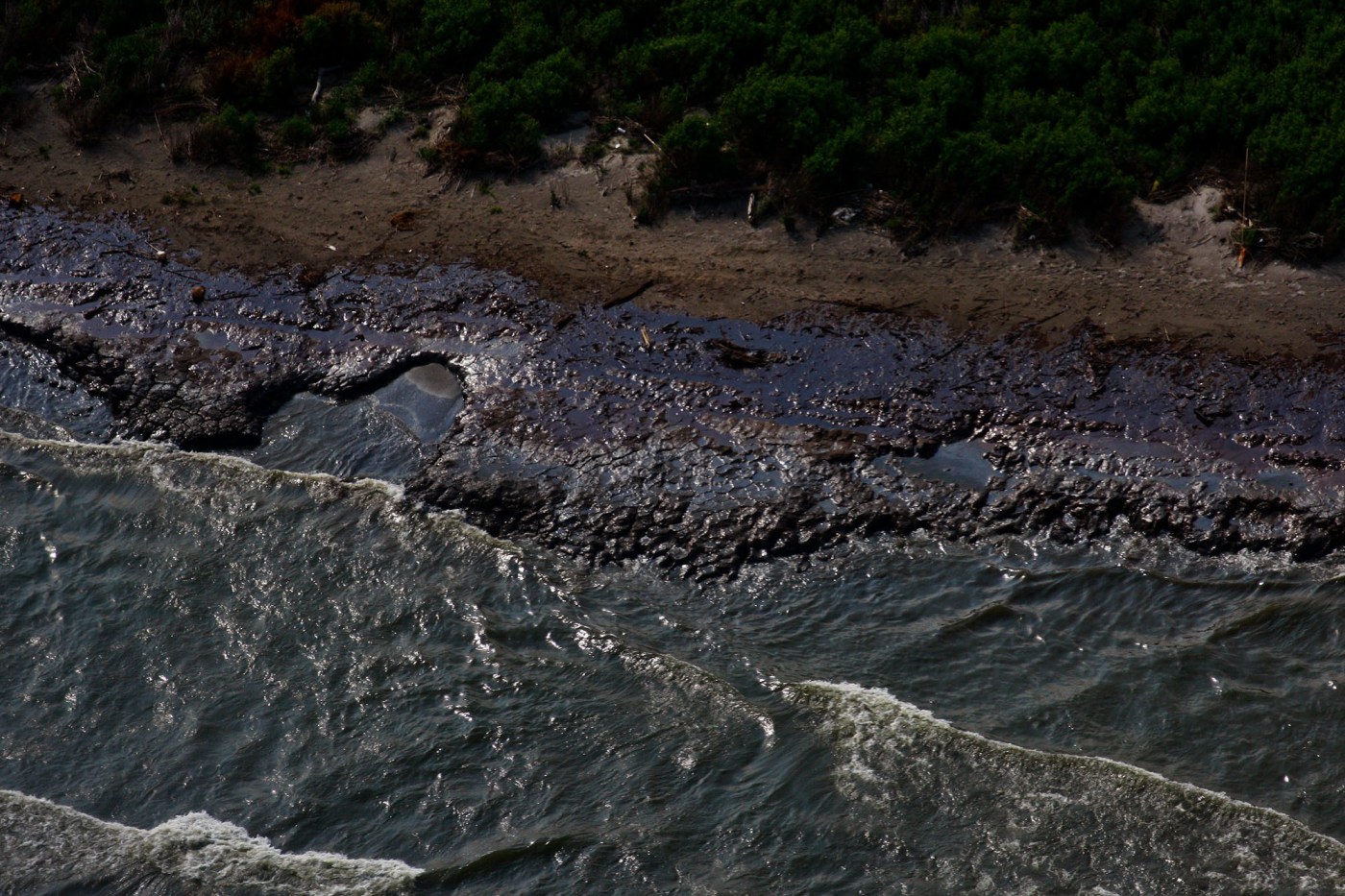
The stakes are high. The risk of oil spills could devastate Florida’s beaches, endangering the state’s $75 billion tourism industry. A similar disaster occurred during the catastrophic BP Deepwater Horizon oil spill in 2010, which resulted in over $3 billion in damages to Florida’s coastal economy, highlighting the acute dangers tied to offshore drilling.
Elise Bennett, the Florida and Caribbean director at the Center for Biological Diversity, emphasizes that Florida’s lawmakers must take a broader stance on the issue. “It’s naive to think that just drawing a boundary around our state will keep us safe,” Bennett said. The recent declaration of elkhorn and staghorn corals as “functionally extinct” in the Florida Keys underscores the urgent need for environmental protection. These reefs are crucial not only for marine life but also for the local economy that relies on tourism.
As Florida grapples with increasing climate change impacts—such as extreme heatwaves and worsening flooding—lawmakers are urged to take decisive action. The summer of 2025 has already brought challenges, including a milder hurricane season, but the threat of more severe storms looms. “We know we have to be prepared for more bad seasons to come,” said Bennett.
The call to action is clear: Florida’s elected officials must extend their opposition to include all offshore drilling, not just proposals threatening their immediate coastline. They need to advocate for a shift toward renewable energy solutions, breaking away from the cycle of dependency on fossil fuels.
As this situation unfolds, the eyes of the nation will be on Florida. Lawmakers are positioned to lead the charge against expanded offshore drilling, advocating not just for their own state but for coastal communities across the United States facing similar threats.
The message is urgent: Florida cannot afford to navigate these challenges alone. The future of its environment and economy depends on a unified front against fossil fuel extraction. The time for action is now—Florida’s coastlines and the livelihoods they support are at risk.
Stay tuned for updates as this story develops.