UPDATE: Two major health care providers in Hampton Roads have confirmed they will not make any immediate changes to their hepatitis B vaccine policies. This announcement follows a controversial vote by the CDC that has sent shockwaves through the medical community.
Earlier this month, the CDC’s Advisory Committee on Immunization Practices voted 8 to 3 to recommend against universal hepatitis B vaccination for all newborns, urging instead for individual parental decision-making. This pivotal change marks a significant departure from the longstanding recommendation in place since 1991, when annual hepatitis B infections plummeted from about 18,000 to 20, according to reports.
The CDC’s decision has faced widespread backlash from medical societies, which warn that it could lead to a rise in infections. Hepatitis B is a serious condition that can cause liver inflammation, with potential long-term consequences including liver failure and cancer, as highlighted by the Mayo Clinic.
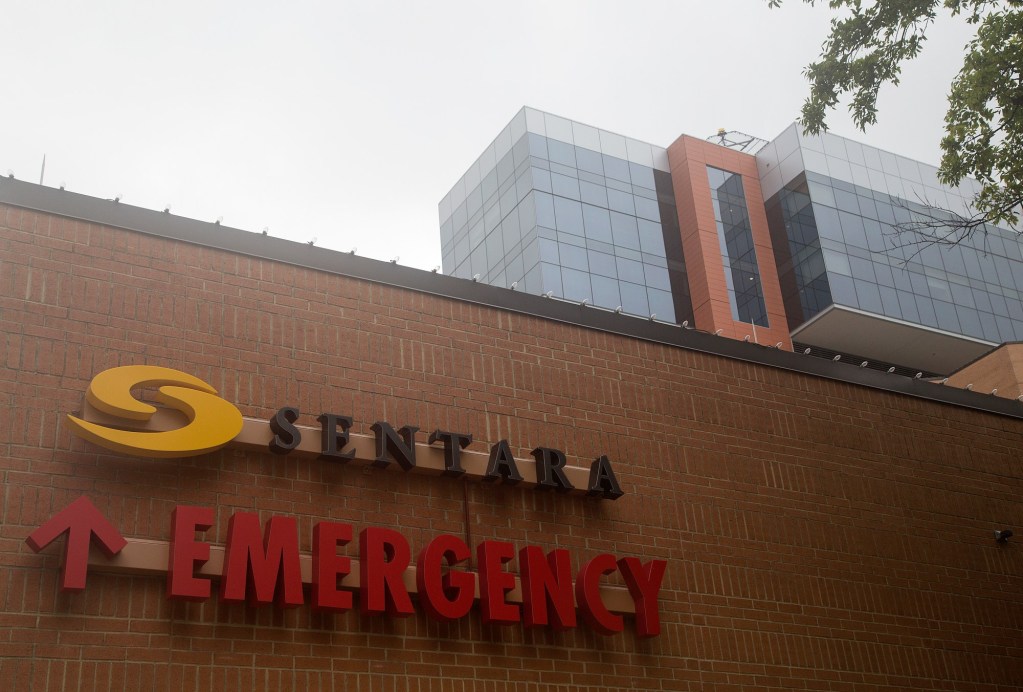
In response to the CDC’s new guidelines, Sentara Health and Riverside Regional Medical Center have stated they will continue to offer the hepatitis B vaccine to newborns with parental consent. In an official statement, Sentara emphasized, “We allow parents to make decisions regarding vaccination of their children. This is true for hepatitis B, as well as other vaccinations.”
Riverside Health echoed these sentiments, asserting their commitment to providing the hepatitis B vaccine while engaging in shared decision-making discussions with parents. “Relying solely on maternal testing to determine if a newborn should receive the vaccine has proven ineffective,” Riverside noted, emphasizing the importance of comprehensive vaccination strategies.
Medical leaders in Virginia have strongly criticized the CDC’s decision, arguing it lacks a foundation of new data regarding vaccine effectiveness. A letter signed by pediatric department heads from major Virginia universities decried the shift, warning of long-term public health repercussions. Dr. Eric Lowe, chair of the Department of Pediatrics at Eastern Virginia Medical School, highlighted that the effects of decreased vaccination rates may not surface immediately but could manifest in a dramatic rise in liver cancer cases in the coming decades.
“As pediatricians, we wanted to support our general pediatricians who are giving the hepatitis B vaccine because every single one of them has a conversation with the family,” Dr. Lowe stated.
As the debate unfolds, hospitals in Hampton Roads are poised to maintain their vaccination protocols while navigating the implications of the CDC’s new guidelines. The situation remains fluid, and health care providers are likely to face increased scrutiny from both medical professionals and parents alike.
For now, parents in the Hampton Roads area can expect ongoing discussions regarding hepatitis B vaccination, with hospitals committed to informing families about the benefits and risks associated with the vaccine.
Stay tuned for further updates as this situation develops.