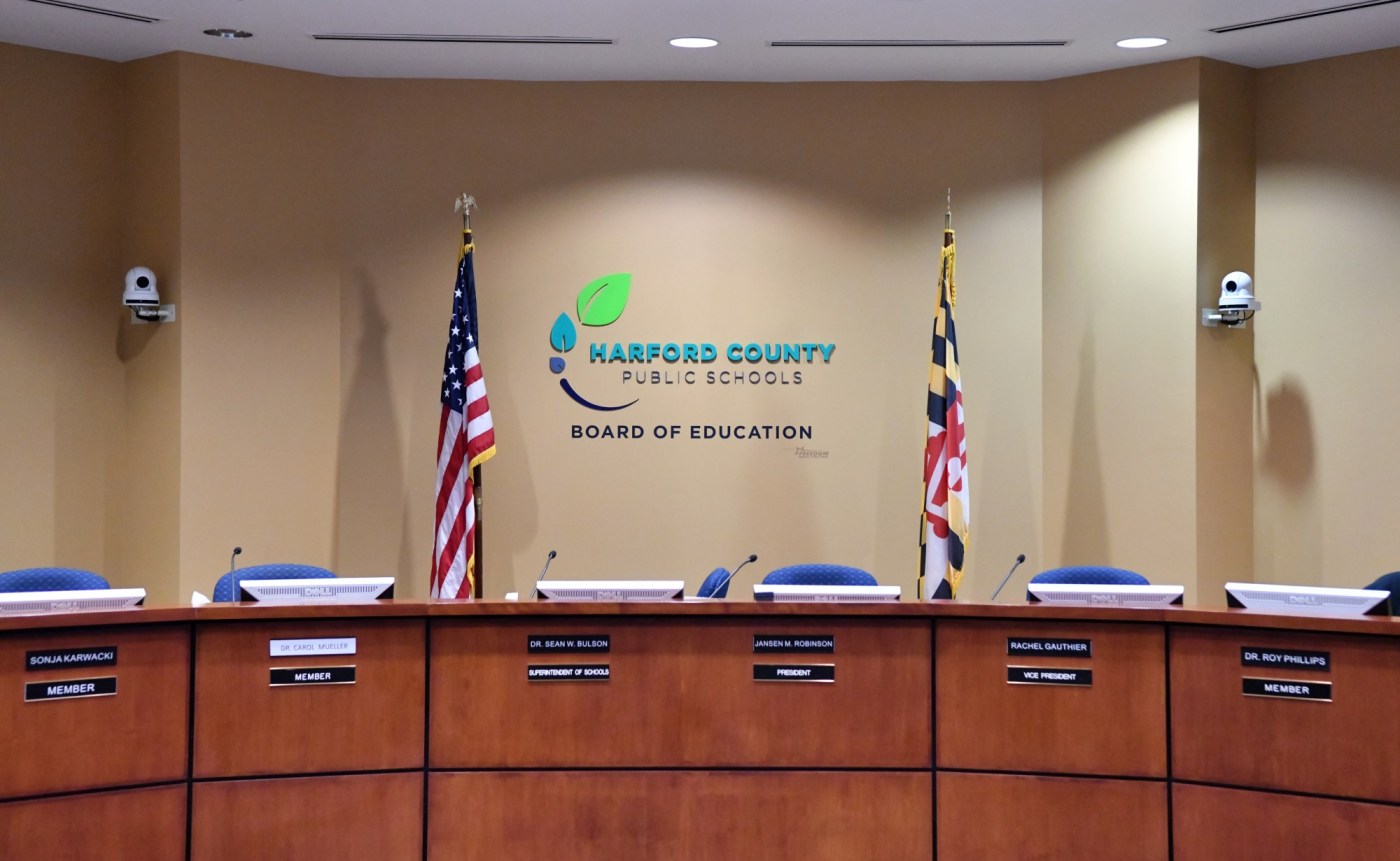
UPDATE: The Harford County Board of Education has just announced its decision to appeal a recent Maryland State Board of Education ruling that overturned the ban on the book “Flamer” in school libraries. The motion, which passed with a vote of 5-2, marks a significant escalation in the ongoing debate over educational content in local schools.
The board convened in a special virtual session on July 13, 2023, following the state’s controversial decision last week. Board member James McVicker III voted against the motion, but his vote was non-binding. Member Denise Perry was present but did not cast a vote, while Carol Bruce was absent.
The board’s action to appeal will take place in the Harford Circuit Court, despite warnings from their legal counsel, Gregory Szoka, about a less than 20% chance of success. “That’s the risk that’s always out there,” Szoka stated. He emphasized the urgency of filing within 30 days of the state’s decision.
IMPACT: This decision holds significant implications for local governance and parental rights in education. Board Vice President Lauren Paige expressed concern over the state’s intervention, stating, “When the state board overrides a local decision, it sets a dangerous precedent.” She emphasized the board’s role in reflecting community values.
The decision to appeal has sparked heated discussions among board members. Melissa Hahn and Mark Korn echoed Paige’s sentiments, arguing that local boards should maintain authority over educational content. Korn remarked, “What’s the purpose of a county board of education if it’s going to be overridden by the state?”
In contrast, McVicker argued that “Flamer” embodies messages of “hope and resilience” suitable for high school students, though he noted concerns about its appropriateness for younger audiences. This division highlights the emotional stakes involved in the debate over educational materials, with some viewing the book as a vital resource for students navigating issues of identity.
Board member Wade Sewell reaffirmed Korn’s view, labeling the book as inappropriate for school libraries. He argued that the board’s decision to remove it was justifiable and necessary.
The Maryland State Department of Education, in its ruling, has recommended that the Harford County Board revise its book evaluation procedures to enhance transparency and community involvement in future decisions. Poynton, the board president, acknowledged the need for parental discretion in determining appropriate reading materials for children.
As this story develops, all eyes will be on the outcome of the appeal and its potential ramifications for educational governance in Harford County. Parents, educators, and community members are encouraged to stay informed as the board prepares to navigate this contentious legal landscape.
For more updates on this breaking story, contact Shaela Foster at [email protected] or 443-826-5894.