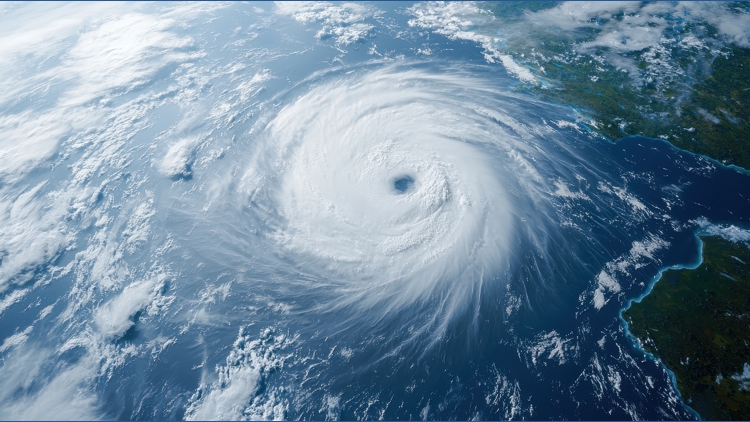
URGENT UPDATE: New research highlights the critical role of hurricanes in balancing Earth’s climate, despite the immediate devastation they cause. While these fierce storms often lead to catastrophic damage, they are essential for maintaining the planet’s energy equilibrium.
When hurricanes strike, they unleash powerful winds and torrential rains that can devastate communities. However, their function extends far beyond destruction. Hurricanes act as nature’s atmospheric engines, redistributing excess heat from tropical oceans to colder regions, preventing extreme climate imbalances.
Just this week, meteorologist Mark Johnson from WKYC in Cleveland underscored that without hurricanes, the planet could face catastrophic climatic consequences. “These storms are crucial for preventing the tropics from overheating and the poles from freezing,” Johnson explained.
As hurricanes form, they draw warm water from the ocean’s surface. This moisture-laden air rises, cools, and releases vast amounts of heat into the atmosphere, which is then transported toward the poles by global wind currents. This natural process functions like the Earth’s air conditioning system.
The implications are dire. Without hurricanes, heat trapped in tropical waters would raise global temperatures, intensifying droughts, floods, and heat waves. The resulting climate instability would disrupt ecosystems and threaten food supplies worldwide.
But the impact of hurricanes is not solely negative. In regions suffering from drought, the heavy rains brought by hurricanes can refill vital water sources such as rivers and aquifers, sustaining agriculture and wildlife for months. The storm surge reshapes coastlines, enhancing water quality and fostering biodiversity.
For example, nutrient-rich sediment left behind by floodwaters revitalizes soil fertility, promoting new plant growth. Additionally, hurricanes stir ocean waters, mixing oxygen and nutrients critical for sustaining marine life, including fish and coral ecosystems.
With hurricane season in full swing, experts are working diligently to improve forecasting and infrastructure to protect lives. However, understanding the dual nature of hurricanes as both destructive forces and vital climate regulators is crucial.
As communities prepare for potential storm impacts, it’s essential to recognize that these natural events play a significant role in keeping Earth habitable. Experts urge continued focus on enhancing resilience while acknowledging the interconnectedness of our planet’s climate systems.
In summary, while hurricanes bring immediate chaos, their role in climate regulation cannot be overlooked. As the world grapples with the impacts of climate change, the balance hurricanes provide is more critical than ever.
Stay tuned for further updates as meteorologists and climate scientists continue to study these powerful storms and their implications for our planet’s future.