UPDATE: An independent report detailing the devastating Eaton and Palisades fires in Southern California has been released, highlighting critical failures in emergency response during the January 2025 crisis. The report, commissioned by the Office of the Governor of California, reveals alarming insights into the fires that ravaged the region, emphasizing the dire need for improved wildfire management.
The comprehensive 350-page report, published today, documents a timeline of 12 wildfires that erupted in January, with a primary focus on the Eaton and Palisades blazes. It underscores a “Particularly Dangerous Situation Red Flag Warning” issued by the National Weather Service just one day before the fires ignited on January 7, 2025. This alert indicated a high risk of property damage and loss of life, yet the response from emergency services was tragically inadequate.
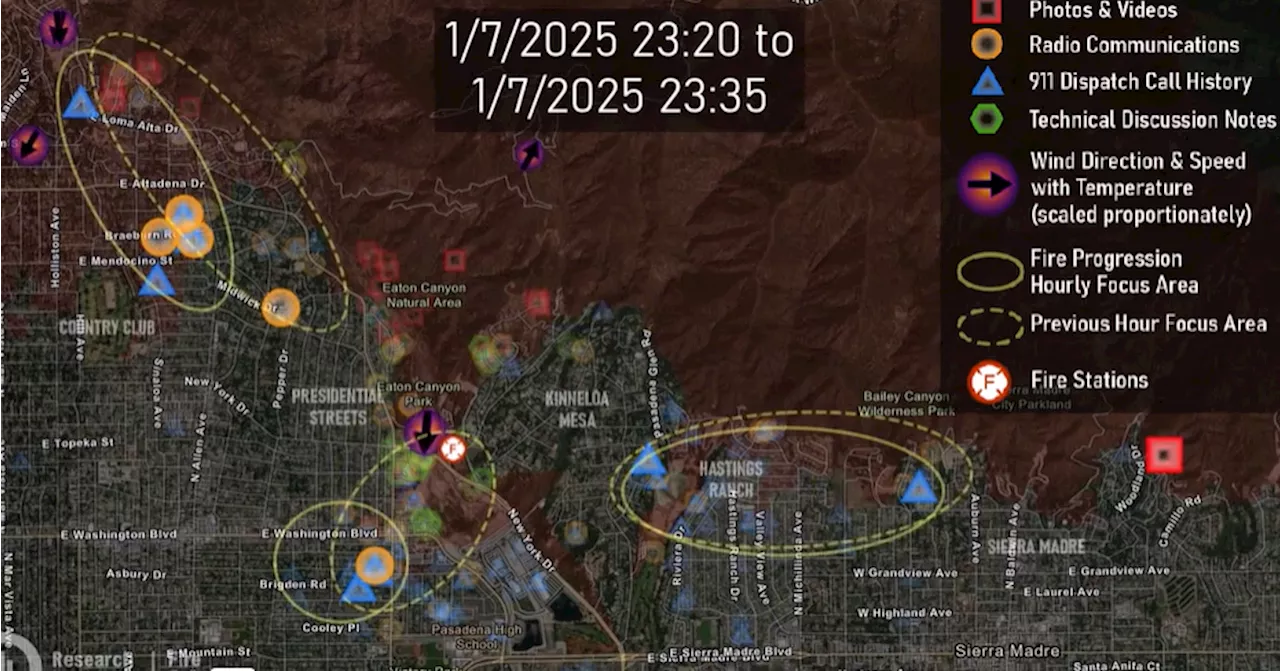
The analysis by UL Research Institutes utilized a variety of sources, including 911 calls, resident photos, and fire agency activities, to create an hour-by-hour timeline of the events. The report reveals that emergency responders were overwhelmed by the simultaneous outbreak of wildfires, extreme conditions, and resource limitations, stating, “the responding fire and emergency service agencies in this area were overwhelmed by the number of concurrent fires and the rapid, wind-driven fire spread.”
The fires were primarily fueled by structural materials and drought-stricken vegetation, exacerbated by strong winds and steep, rugged terrain. The report specifies that, “While both fires originated in the foothills, the primary fuel was ultimately structural components and household contents, with additional spread driven by invasive vegetation.”
Authorities confirmed that the landscape has dramatically changed due to development and land conversion, making the area more vulnerable to wildfires. Native vegetation has been replaced by non-native, fire-prone grasses, escalating the frequency and severity of wildfires across the Santa Monica and San Gabriel Mountains.
Compounding the crisis, the report noted that fallen trees and utility poles blocked evacuation routes, while visibility issues and grounded aircraft hampered firefighting efforts. This led to catastrophic losses, despite the heroic actions of first responders and community members who worked tirelessly to save lives and property.
The forthcoming Phase Two of the report, yet to be released, is expected to cover essential prevention, preparedness, and response strategies, including evacuation plans and fire suppression operations. It is crucial for authorities to act swiftly on these findings to prevent future tragedies.
As the region grapples with the aftermath of these devastating fires, the report serves as a critical wake-up call to local and state officials. Immediate reforms are essential to enhance fire response capabilities and protect communities from the escalating threat of wildfires in Southern California.
Stay tuned for further updates as this story develops.