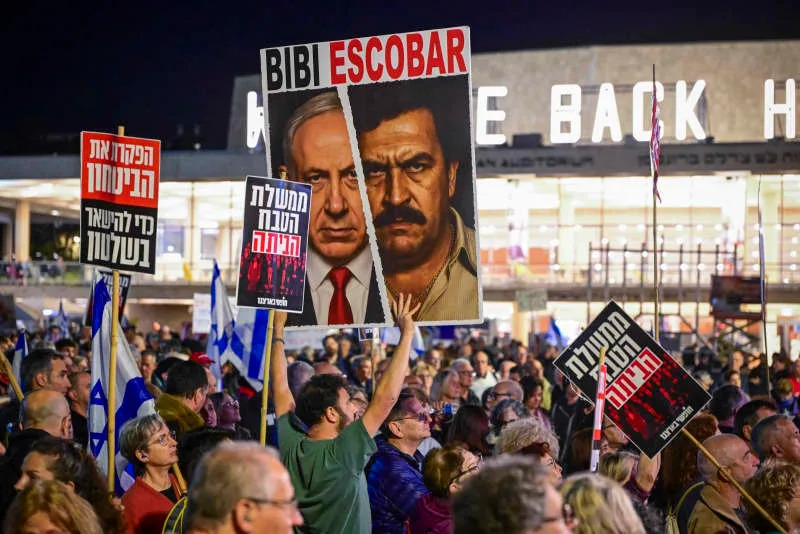
The Israeli government is set to advance two significant and contentious measures that could reshape its political landscape. On October 7, the Ministerial Committee for Legislation will discuss a bill proposing an inquiry into the Hamas attack, while the cabinet will decide on the controversial closure of Army Radio.
The proposed legislation, spearheaded by Likud MK Ariel Kallner, aims to establish an inquiry committee specifically focused on the events of October 7. Unlike traditional state commissions of inquiry, which are typically appointed by the president of the Supreme Court, this committee would be formed by the Knesset and the government. The draft stipulates that the committee would consist of six members, with equal representation from both coalition and opposition parties, alongside four representatives from bereaved families to ensure oversight.
Supporters argue that this structure would foster a balanced committee that enjoys public trust without relying on the judicial system. They believe it can provide accountability and transparency regarding the events surrounding the Hamas attack. Conversely, critics raise concerns that this approach undermines the integrity of an independent state commission. They fear the committee may be perceived as politically motivated, potentially leading to biased conclusions that lack public legitimacy.
In tandem with this inquiry, the cabinet will also consider a proposal to close Army Radio, a move championed by Defense Minister Israel Katz. The plan suggests a phased closure, beginning with the formation of a professional team to evaluate the implications for employees and to explore alternatives for the station’s popular music outlet, Galgalatz. Proponents contend that a military-run station should not engage in broadcasting current affairs and political content, arguing that this change would help the Israeli Defense Forces (IDF) maintain a non-political posture.
Opponents of the closure express significant concerns regarding press freedom and the democratic fabric of the nation. They highlight Army Radio’s longstanding editorial independence and warn that a government-mandated closure, without comprehensive legislative backing, could face legal challenges, potentially resulting in petitions to the High Court of Justice.
The simultaneous consideration of these measures indicates a politically charged week ahead for the Israeli government. As the cabinet deliberates on the inquiry into the October 7 events and the potential closure of Army Radio, the outcomes will not only reflect the government’s approach to accountability but also test the boundaries of executive authority in Israel. The contrasting demands for a rigorous inquiry and the desire to reshape media operations underscore the complex interplay of politics, public sentiment, and governance in the region.