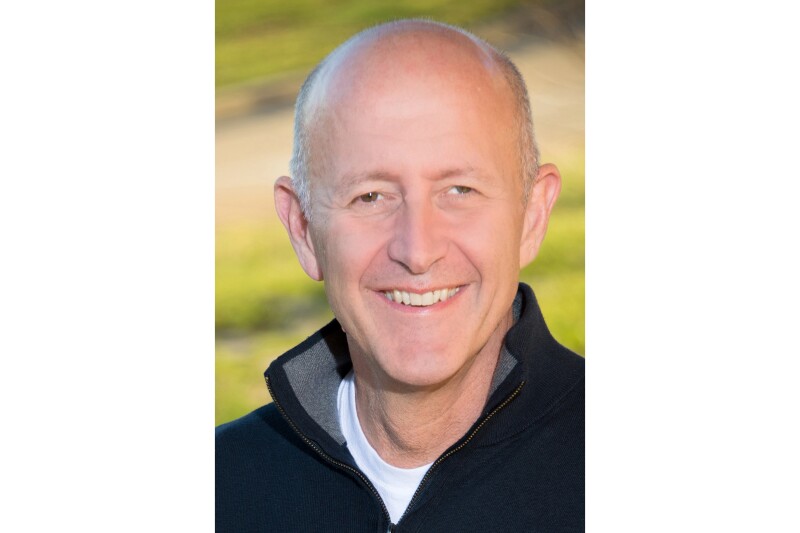
UPDATE: A highly anticipated jury trial has commenced today in Olmsted County District Court, pitting Dr. Michael Joyner, a veteran Mayo Clinic anesthesiologist, against his employer, the Mayo Clinic. Joyner claims he faced retaliatory disciplinary actions after whistleblowing on corporate partners attempting to unlawfully access patient data.
This case, described as potentially the most significant civil trial in Olmsted County’s history, is expected to last around 10 days. It centers on allegations of “weaponized” disciplinary measures against Joyner, who has dedicated 38 years to the prestigious medical institution.
Today, jurors heard opening statements from both sides. Joyner’s attorney, Samantha Harris, framed the trial as a battle between the traditional values of “Old Mayo Clinic,” which prioritizes patient welfare, and the “New Mayo Clinic,” which she argues has devolved into a “corporate machine.”
The crux of Joyner’s case involves two disciplinary actions taken against him in 2020 and 2023. In March 2023, he was suspended for one week without pay after receiving a final warning letter for his media statements regarding transgender athletes and criticisms directed at the National Institutes of Health. He argues these actions were retaliatory, following his report about MITRE Corp allegedly attempting to access confidential patient data linked to his federally funded convalescent plasma research during the COVID-19 pandemic.
Harris emphasized Joyner’s longstanding commitment to scientific integrity, portraying him as a defender of patient rights against a backdrop of growing corporate interests. She described Mayo Clinic’s leadership, particularly Dr. John D. Halamka, as prioritizing profits over patient care. Halamka, who leads the Mayo Clinic Platform, allegedly labeled Joyner as possibly having a mental illness after complaints from MITRE.
In sharp contrast, Mayo Clinic’s attorney, Ryan Mick, argued that Joyner’s disciplinary actions stemmed from his own “aggressive” behavior, which failed to align with the institution’s values. Mick contended that Joyner’s suspension and the letters were appropriate responses to his conduct, including threats to halt COVID-19 research unless compensated millions of dollars within 48 hours.
As the trial unfolds, observers are keenly watching how it may redefine workplace rights and whistleblower protections in the medical field. Joyner’s legal team is expected to call several witnesses, including Dr. Jonathon Senefeld, who collaborated with Joyner on the convalescent plasma project.
Senefeld’s testimony could be pivotal; he has already stated that he never witnessed Joyner acting unprofessionally during their time working together. The implications of this case extend beyond Mayo Clinic, potentially influencing how other institutions handle similar conflicts between corporate interests and ethical obligations.
As the case develops, the medical community and the public alike are advised to stay tuned for updates, as the outcome may have far-reaching consequences for whistleblowers and professionals striving to uphold ethical standards in healthcare.