UPDATE: Minnesota officials have until January 9, 2026, to verify child care funding or risk losing $185 million in federal assistance after a fraud investigation freezes payments. This urgent demand comes from the U.S. Department of Health and Human Services following allegations of widespread fraud at child care centers, primarily operated by Somali residents.
Just announced, the Trump administration’s move to suspend payments stems from accusations of misuse of funds linked to a federal probe that gained traction after right-wing influencer claims. Minnesota’s Department of Children, Youth, and Families received late notice of the funding freeze, which was first revealed by Deputy Secretary Jim O’Neill on social media.
This situation is critical for Minnesota families, as approximately 23,000 children and 12,000 families depend on these funds for affordable child care. Child care providers face potential financial strain, as many already operate on tight budgets, receiving payments weeks after services are rendered. Maria Snider, director of a St. Paul child care center, warned that any funding delays could severely impact operations.
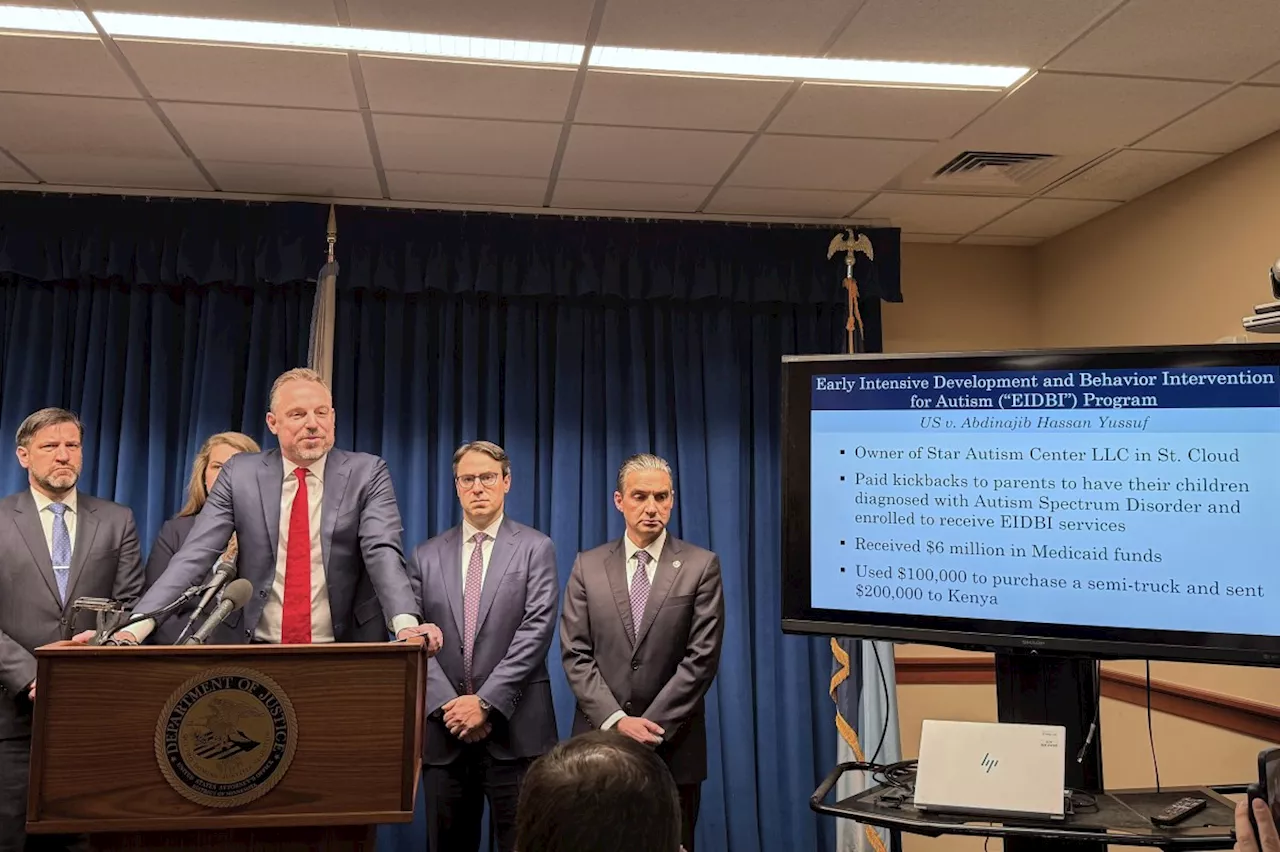
In recent years, Minnesota has been embroiled in allegations of welfare fraud, with the notorious Feeding Our Future scheme estimated to have cost taxpayers $250 million. To date, 57 defendants have been convicted, and 78 charged, according to the Associated Press. The urgency now escalates as the state must submit verification data covering 2022 through 2025, including payment amounts and details on any alleged fraud networks.
The Administration for Children and Families demands that all 50 states provide additional verification before disbursing further funds. The House Committee on Oversight and Government Reform plans a hearing on January 7 to investigate the use of federal child care funds in Minnesota, highlighting the intense scrutiny the state is under.
In a statement, the Minnesota Department of Children, Youth, and Families acknowledged the alarm raised by the funding freeze, stating, “We found out about the freezing of funds at the same time everyone else did on social media.” Officials note that they are working diligently to analyze the potential impacts of this federal action.
The fallout from this investigation has sparked political tensions. Alex Adams, Assistant Secretary of the Administration for Children and Families, criticized Minnesota for not responding to prior requests for information by the December 26 deadline. Meanwhile, the state’s Governor Tim Walz has faced accusations of inaction amidst the fraud claims, with some alleging that the federal crackdown is politically motivated.
The emotional toll on families relying on these funds is significant. Child care centers have voiced concerns about the immediate effects of losing access to critical support, which could jeopardize not only their operations but also the well-being of children who depend on them.
What happens next? Federal officials will provide further guidance by January 5, but the full implications of the funding restrictions remain uncertain. As the clock ticks down, Minnesota’s child care system stands at a crossroads, with families and providers anxiously awaiting clarity on their futures.
Stay tuned for updates as this developing story unfolds.