UPDATE: The ongoing disconnect between the horror genre and the Academy Awards has been spotlighted once again as the Oscars prepare for their upcoming ceremony. Despite horror’s undeniable popularity and cultural significance, it continues to receive minimal recognition at the prestigious event.
Just announced, the Academy Awards have historically overlooked horror films, with only a handful earning nominations or wins in major categories. This trend raises urgent questions about the criteria used to evaluate horror’s artistic merit, especially when the genre consistently proves to be a box office powerhouse across the globe.
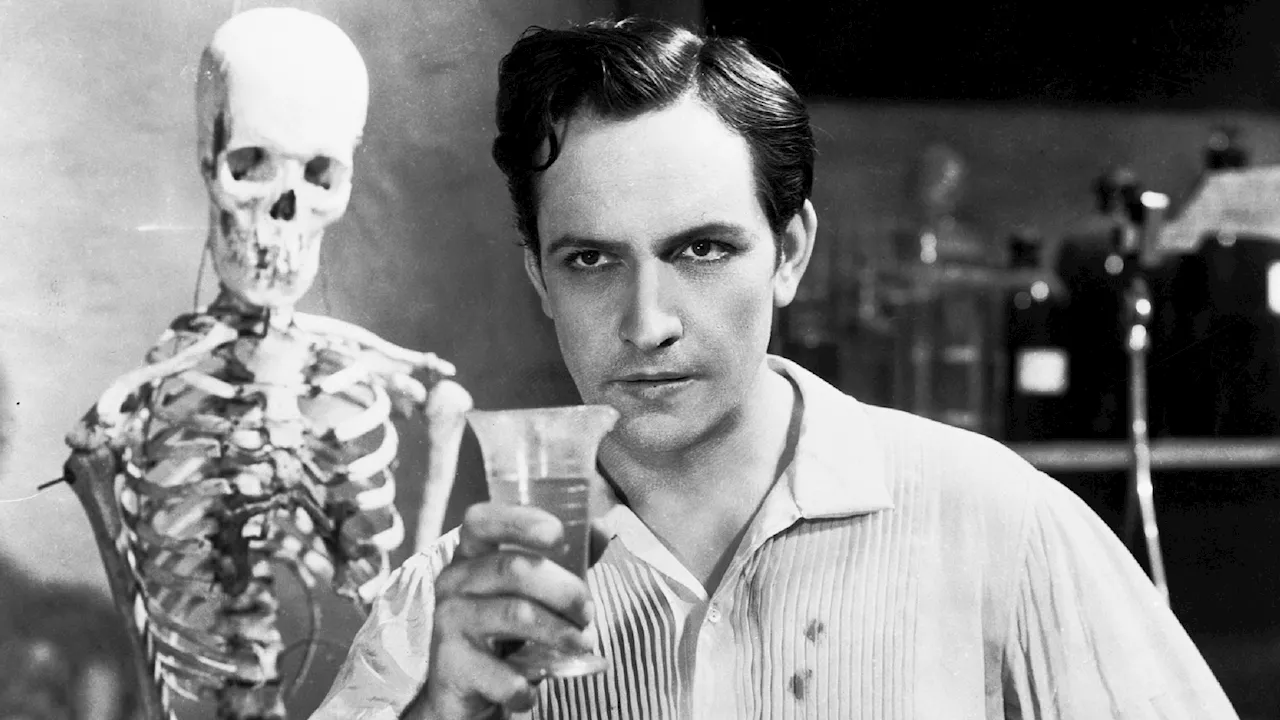
Notably, the 1931 film adaptation of Frankenstein remains a landmark achievement in horror cinema. Nominated for three Academy Awards, including Best Adapted Screenplay, Best Cinematography, and Best Actor for Fredric March, it won the latter, making it one of the rare horror films to claim an Oscar. This exceptional recognition underscores the film’s lasting impact and its pioneering role in both storytelling and technical innovation.
However, nearly a century later, the horror genre’s presence at the Oscars remains disappointingly limited. Most accolades awarded to horror films have focused on technical achievements such as costumes and makeup, leaving major categories like Best Picture and Best Director largely absent of horror contenders. This consistent oversight highlights the genre’s struggle to gain critical acclaim that matches its popularity among audiences.
The Academy’s reluctance to embrace horror suggests a broader cultural perception of the genre, often viewed as a critical underdog despite its artistic achievements. This reality is even more perplexing given horror’s ability to captivate audiences and generate substantial box office returns year after year.
As the Oscar nominations approach, industry experts and fans alike are left questioning whether the Academy will finally recognize horror’s artistic contributions or continue its long-standing trend of exclusion. The conversation surrounding horror’s place in cinematic history is more relevant than ever, and the stakes are high as filmmakers and fans advocate for the genre’s rightful recognition.
As we await the upcoming nominations, all eyes will be on the Academy to see if they will acknowledge the horror genre’s significant role in shaping modern cinema. Will this be the year that horror finally breaks through, or will it remain an overlooked powerhouse in the film industry? Stay tuned for updates on this developing story.