BREAKING: Researchers have just unveiled the first-ever three-dimensional image of the interior of the Popocatepetl volcano in Mexico, marking a significant breakthrough in understanding volcanic activity. This urgent development is crucial for the safety of the approximately 25 million people living within a 62-mile radius of the volcano, which has been active since 1994.
The team, led by Marco Calo from the National Autonomous University of Mexico (UNAM), has utilized advanced seismic data analysis to create this detailed image, extending 11 miles below the volcano’s crater. This research aims to enhance disaster preparedness and potentially mitigate the impact of future eruptions.
Popocatepetl, affectionately known as El Popo, poses a significant threat due to its continuous activity, regularly emitting smoke, gas, and ash. As a result, understanding its internal structure is vital for local authorities and communities. The image reveals multiple magma pools at varying depths, offering unprecedented insights into the volcano’s behavior.
Previously, attempts to map Popocatepetl’s interior faced limitations due to a lack of detailed data. The research team increased the number of seismographs from 12 to 22, enabling them to measure ground vibrations at an astonishing rate of 100 times per second. This data was meticulously analyzed by doctoral student Karina Bernal, who employed artificial intelligence to adapt algorithms for identifying seismic signals and inferring the materials and conditions within the volcano.
This comprehensive mapping will significantly enhance understanding and forecasting of Popocatepetl’s hazards, improving the safety of millions of residents in the surrounding areas. The volcano’s eruptions could have dire consequences, threatening homes, schools, hospitals, and even five airports nearby.
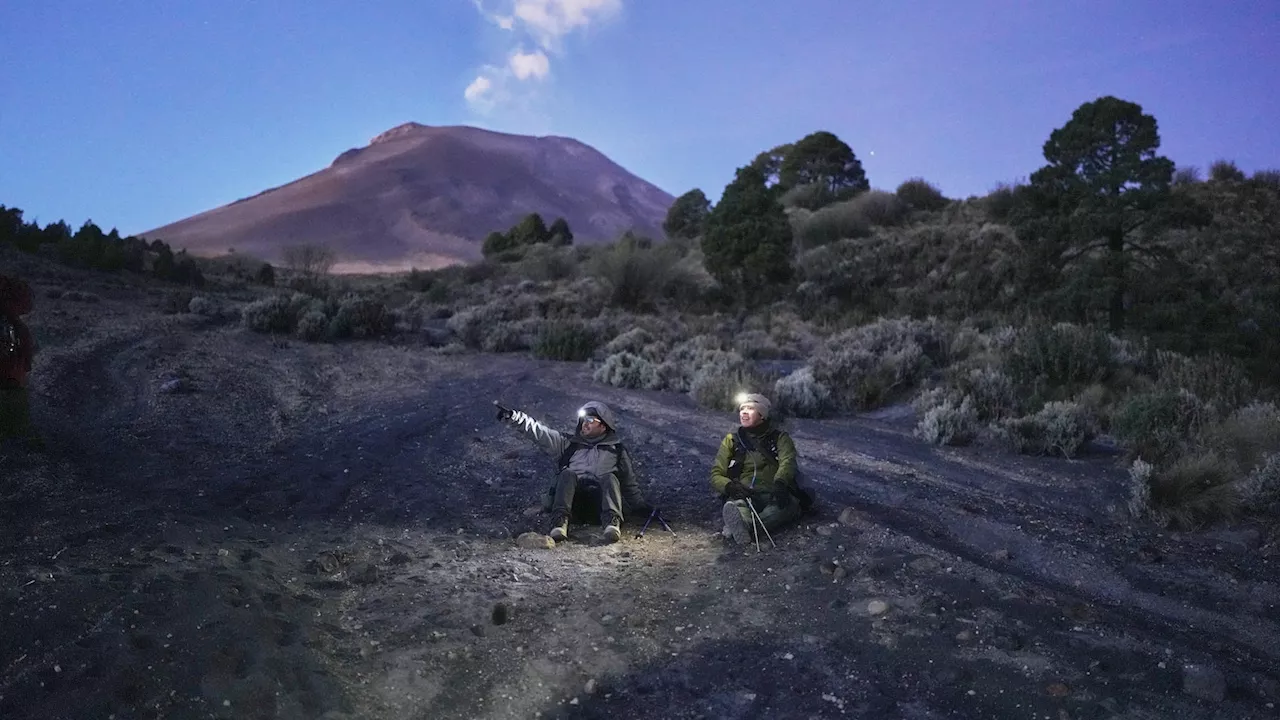
Calo emphasized the importance of hands-on experience in conducting this research. The team recently camped at an altitude of 12,500 feet to gain firsthand insight into the volcano’s activity. They reported hearing small tremors and ash falling, creating an eerie atmosphere at night as the crater glowed orange.
The implications of this research extend beyond academic interest. The data collected will allow for better emergency response strategies, ultimately safeguarding the lives of those at risk. As Popocatepetl continues to be one of the most closely monitored volcanoes, this latest development brings hope for enhanced preparedness and community safety.
As this research progresses, all eyes will be on Popocatepetl, with further studies anticipated to provide more information on its internal dynamics and potential eruption patterns. Stay tuned for updates on this critical scientific advancement.