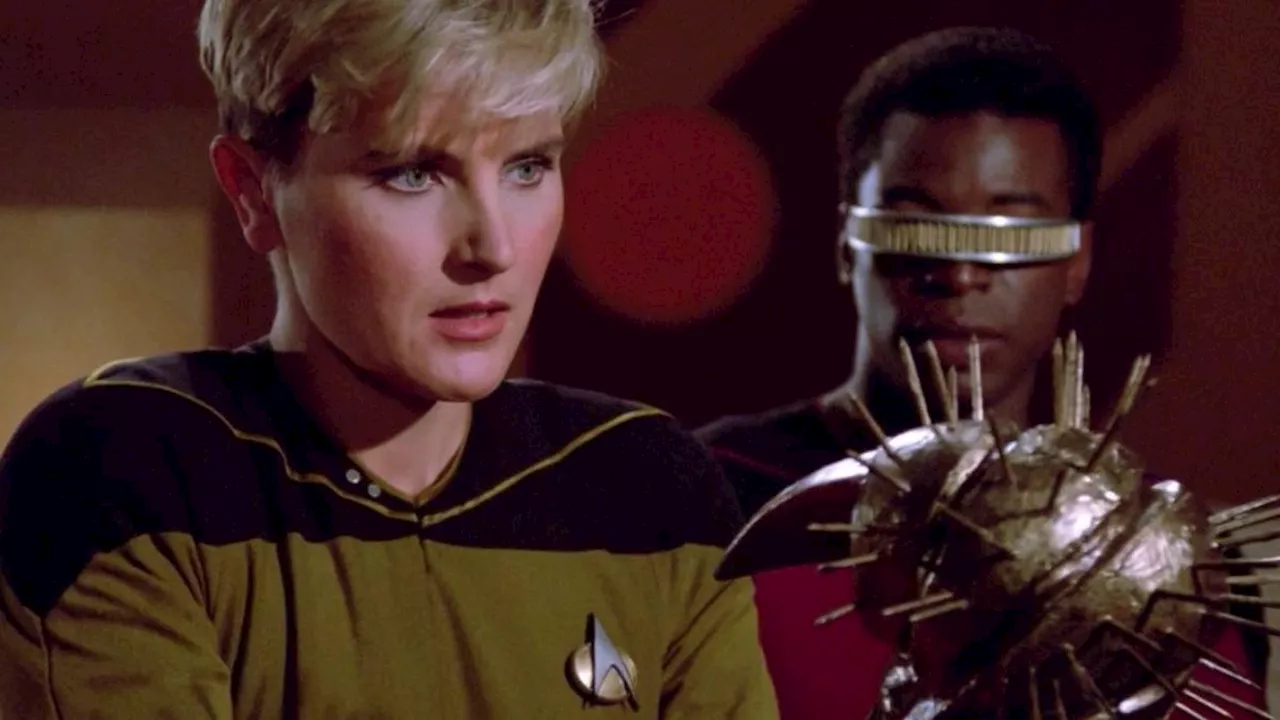
BREAKING: The infamous episode “Code of Honor” from Star Trek: The Next Generation has resurfaced in headlines, igniting outrage from fans and cast members alike. This controversial first-season episode has been denounced as “the worst episode of Star Trek ever filmed,” a sentiment echoed by actor Michael Dorn and many others.
In the episode, the USS Enterprise arrives at Ligon II to procure a much-needed vaccine for the planet Styris IV, beleaguered by an outbreak of Achilles fever. The plot takes a troubling turn when the Ligonian leader Lutan kidnaps head of security Tasha Yar (played by Denise Crosby), leading to a fight to the death with Yareena, Lutan’s current mate. This premise, rooted in outdated and problematic cultural depictions, has drawn sharp criticism.
As the episode aired in 1987, it was intended to showcase a blend of action and cultural exploration. However, the portrayal of the Ligonians, all played by Black actors in tribal garb, has been labeled as racially insensitive. Critics assert that the decision to cast Black actors in such roles perpetuates negative stereotypes. Brent Spiner described it as a “racist piece of s**t,” while LeVar Burton condemned the episode, stating it “stinks, without question.”
In a particularly troubling moment, Lutan announces he will make Yar his “first one,” prompting a fight to the death with Yareena, who is depicted as a submissive figure despite a position of power. This handling of gender and race has left many fans feeling disheartened and alienated, especially given the franchise’s history of challenging societal norms.
While Gene Roddenberry aimed to foster an optimistic vision of the future, “Code of Honor” starkly contrasts with that ethos. The episode’s legacy lingers as a glaring misstep in a franchise known for its progressive values, raising questions about representation and storytelling in science fiction.
Critics have labeled the episode as “possibly the worst piece of Star Trek ever made,” and social media is abuzz with renewed discussions about its implications.
“It’s offensive and regressive,”
said Tracy Torme, a writer for Season 1, drawing parallels to the 1950s sitcom “Amos ‘n’ Andy” known for its negative portrayals of Black Americans.
As fans prepare for the upcoming third season of “Star Trek: Picard,” the conversation around “Code of Honor” prompts a reevaluation of how the franchise addresses complex social issues. What does this mean for the future of Star Trek and its commitment to inclusivity?
The backlash against “Code of Honor” serves as a reminder of the importance of thoughtful representation in media. As discussions continue to unfold, Star Trek’s legacy remains a testament to the ongoing battle for equality and understanding in storytelling.
Stay tuned for further updates on this developing story as the debate around this controversial episode continues to shape the conversation within the Star Trek community and beyond.