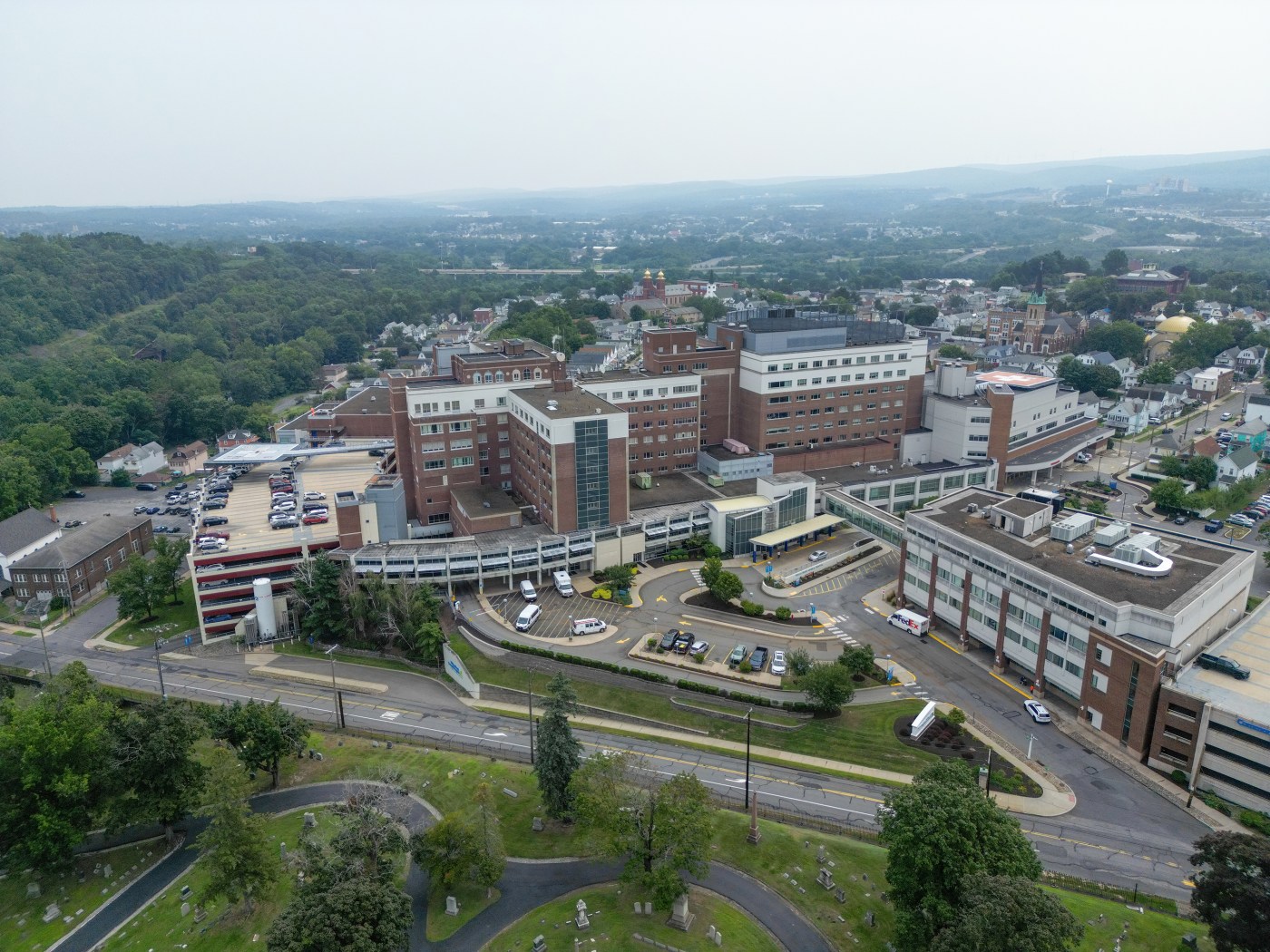
BREAKING: In a landmark move for healthcare in Pennsylvania, the Tenor Health Foundation has officially acquired Wilkes-Barre General Hospital along with two other facilities from Commonwealth Health. This urgent development, confirmed today, signifies a pivotal shift in local healthcare services and impacts numerous communities.
The agreement, announced earlier this month, includes the acquisition of the Regional Hospital of Scranton and Moses Taylor Hospital. Tenor Health’s CEO, Radha A. Savitala, stated, “This acquisition exemplifies our organization’s commitment to preserve valuable healthcare resources — specifically in the most vulnerable communities.”
As part of the deal, which was initiated after a previous sale attempt to WoodBridge Healthcare failed, Tenor plans to finance the acquisition with up to $47 million in tax-exempt bonds and $25 million in taxable bonds. Starting in 2026, Tenor will also pay $850,000 annually to Luzerne County in lieu of taxes, though concerns remain about potential losses in property tax revenue for the county and local school districts.
In a separate but related crisis, the Keystone Mission announced the closure of two of its homeless shelters in Wilkes-Barre and Scranton, effective July 10, 2025. This decision, attributed to rising operational costs and reduced donations, will result in a staggering 75% staff layoff. Former CEO Justin Behrens noted the challenging circumstances that led to this difficult choice, emphasizing the need for sustainable operations moving forward.
In a distressing trend, the closures of Rite Aid stores continue to unfold, with nearly a dozen locations shutting their doors in Luzerne County this year. The pharmacy chain filed for Chapter 11 bankruptcy in May 2025, burdened by over $1 billion in debt and facing numerous legal challenges. The company’s decline traces back to its first bankruptcy filing in October 2023.
Additionally, SNAP benefits were suspended in November due to the federal government shutdown, affecting over 1.93 million Pennsylvanians. Following the resolution of the shutdown, the state Department of Human Services was able to resume the program, but not without causing panic among those relying on these essential benefits.
As these significant changes unfold, the local community is left grappling with the implications on healthcare access, homelessness, and food security. The coming months will be critical as stakeholders navigate the impacts of these developments on vulnerable populations.
Stay tuned for more updates on these urgent matters as they continue to evolve.