URGENT UPDATE: Former President Donald Trump has raised alarms over the proposed merger between Nexstar Media Group and TEGNA, Inc., which could transform the landscape of local news in America. The merger, if approved, would create a media giant controlling 265 TV stations that reach over 80 percent of American households, far exceeding the limits set by Congress two decades ago.
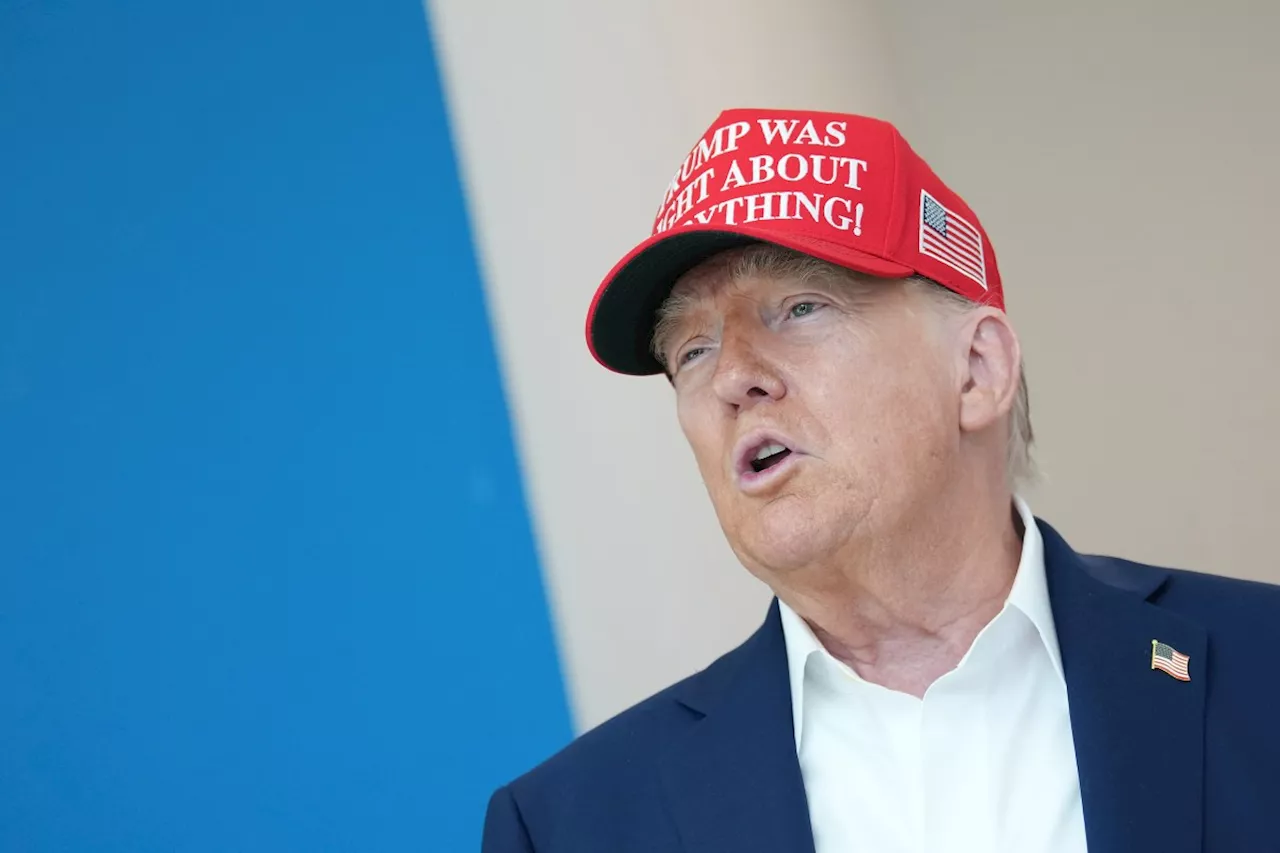
This development poses a significant threat to local journalism, traditionally seen as the backbone of American news. Trump’s concerns echo broader fears that the merger would undermine the diversity and authenticity of local news coverage, instead leading to a “one size fits all” approach that could drown out local voices. He recently emphasized the importance of local news while visiting Washington, D.C., saying, “We need to protect the integrity of our local media.”
The Federal Communications Commission (FCC) is currently facing pressure to approve the merger, with Brendan Carr, the FCC chair appointed by Trump, potentially being urged to fast-track the process. Critics argue that the approval would set a dangerous precedent, allowing a handful of companies to dominate local media markets.
Local news has already seen a sharp decline in coverage, with many stations being absorbed into larger groups that tend to offer homogenized content. In fact, reports indicate that some competing local stations have been caught duplicating news scripts verbatim. This trend raises serious questions about the fairness and balance of news coverage at a time when local narratives are crucial for informed communities.
Trump’s intervention comes at a critical moment. The merger’s implications could lead to further “dumbing down” of news content, diminishing the quality of journalism that Americans rely on. The retransmission fees charged to consumers have already skyrocketed by more than 2,000 percent over the past 15 years, and experts warn that this merger would exacerbate costs for viewers.
Legal scholars are also debating whether the FCC has the authority to waive the existing reach cap, especially following recent Supreme Court rulings. Public interest advocates argue that allowing such a merger would not serve the needs of local communities, which depend on diverse and trustworthy news sources.
As the media landscape evolves, it is crucial for regulators to reconsider the implications of such substantial media consolidation. Trump’s recent statements are urging a nationwide conversation on the value of protecting local news outlets. He has called for a pause in the approval process to ensure that the potential impact on local journalism is thoroughly examined.
With local news at a crossroads, the future of American journalism hangs in the balance. Trump’s challenge to the merger reflects a growing sentiment among citizens who value the role of local media in shaping community narratives and informing the public.
Stay tuned for updates on this developing story, as it could redefine how millions of Americans receive their news. Share your thoughts and concerns about the future of local news coverage in the comments below.