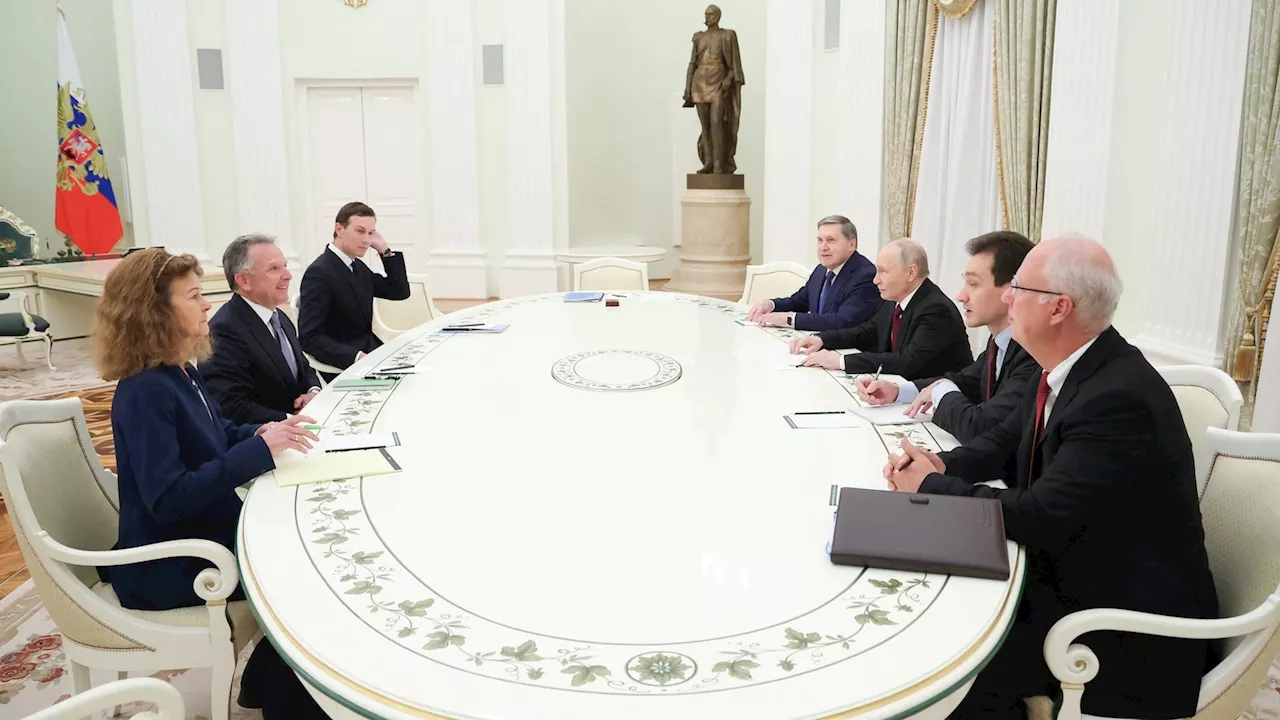
UPDATE: In a significant diplomatic development, President Donald Trump stated that U.S. Special Envoy Steve Witkoff and his son-in-law Jared Kushner had a “reasonably good meeting” with Russian President Vladimir Putin on December 2, 2025, in Moscow. This meeting comes amid ongoing tensions surrounding the nearly four-year Russian invasion of Ukraine.
During a press briefing held in the Oval Office on December 3, Trump emphasized that while no breakthrough was achieved, the discussions could pave the way for future peace talks. “What comes out of that meeting? I can’t tell you,” Trump remarked, expressing cautious optimism about the outcome of the discussions.
The U.S. delegation, which included Witkoff and Kushner, engaged in marathon negotiations with Putin, focusing on ending the ongoing conflict. Trump noted that the Russian President “would like to end the war” and that there was an impression from the meeting that a potential deal could be on the horizon.
According to a senior U.S. administration official, Witkoff and Kushner have invited Rustem Umerov, the Ukrainian National Security and Defense Council Secretary, to Miami for further peace talks. This invitation raises hopes for a continued dialogue aimed at resolving the conflict.
Despite the positive tone from Trump, it is clear from reports that no immediate peace deal has been secured. Putin’s foreign policy aide, Yuri Ushakov, disclosed that while some American proposals were deemed “more or less acceptable,” critical points remain unresolved. “So far no compromise option has been found,” Ushakov confirmed to Russian media.
U.S. Secretary of State Marco Rubio, who was not part of the Moscow delegation, noted that while there has been “some progress” on the truce proposal, significant challenges remain. “We’re still not close enough,” he stated, highlighting the ongoing demands from Moscow for Ukrainian forces to withdraw from the entire Donbas region, a point that Ukraine has consistently rejected.
As geopolitical tensions continue, experts warn that the essence of the peace plan hinges on territory concessions and security guarantees. Michael Froman from the Council on Foreign Relations indicated that Putin may prefer to prolong the diplomatic process while continuing military actions in Ukraine.
In a statement underscoring the urgency of the situation, Rubio added, “Ultimately, it’s going to be up to them. If they decide they don’t want to end the war, then the war will continue.” This statement reflects the precarious balance of power in the negotiations and the critical role both nations play in reaching a resolution.
As the situation develops, all eyes will be on the upcoming discussions in Miami and what new proposals may emerge from the continued dialogue between the U.S. and Ukraine. The international community remains hopeful for a swift resolution to a conflict that has caused immense human suffering and geopolitical instability.
Stay tuned for more updates as this story unfolds, and share your thoughts on social media using #UkrainePeaceTalks.