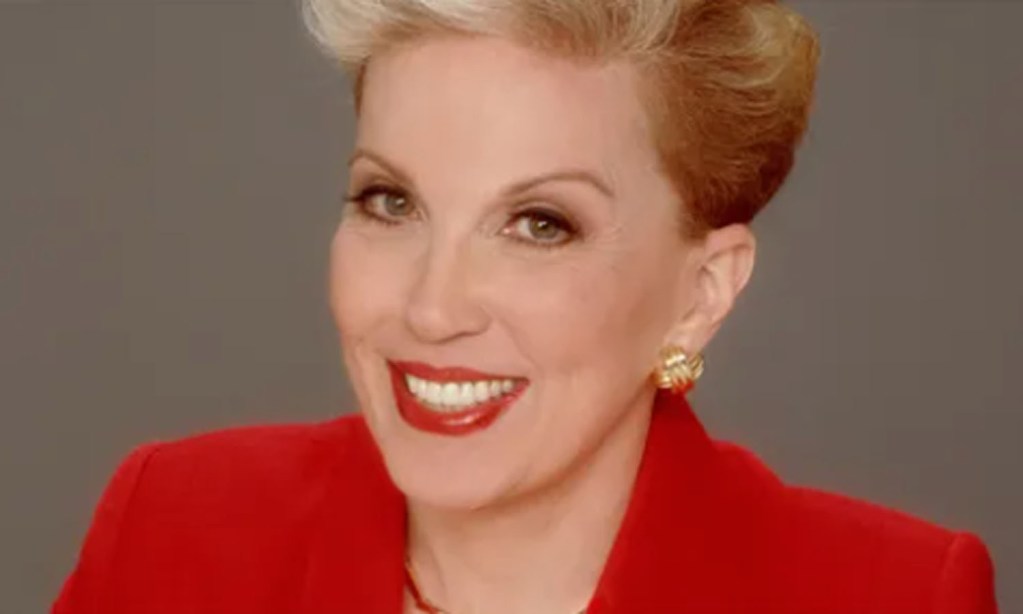
UPDATE: A recent letter to advice columnist Dear Abby highlights urgent concerns from a millennial contemplating a child-free life, questioning who will care for them in old age. The inquiry raises significant questions for many facing similar dilemmas.
In a heartfelt plea, a woman in her early 30s expressed her decision to remain child-free, citing rising costs, social injustices, and global warming as reasons for her choice. However, she fears not having anyone to support her when she ages. “Is it unkind and irresponsible not to have kids?” she asked. This poignant concern resonates widely, especially among younger generations.
In response, Dear Abby, also known as Jeanne Phillips, emphasized that relying on children for future care is not guaranteed. She stated, “Having a child hoping it will guarantee that you will have someone to care for you in your old age is not old age insurance.” Abby urged readers to take proactive steps for their future, including consulting with financial planners to secure their care.
The conversation extends to familial responsibility, as a Texas mother expressed her frustration regarding her 20-year-old son, who lives at home without contributing to household expenses or chores. The son’s lifestyle choices, including moving in his girlfriend and a dog without permission, have led to escalating tensions. This situation reflects a growing trend among young adults struggling with independence.
Abby advised the mother to set clear boundaries and deadlines for her son to move out. “If he has to live in a less desirable neighborhood, so be it,” she suggested. This approach is critical, as it ensures accountability and fosters independence among young adults.
In a separate letter, a woman from Pennsylvania raised concerns about her husband withholding tax refunds, highlighting issues of financial equity in relationships. Abby underscored the importance of open communication regarding finances, especially when both partners contribute to the household.
These letters underscore a broader societal conversation about the responsibilities of adulthood and the implications of parenting. As more individuals choose to forego traditional family structures, discussions around elder care and financial independence will continue to grow in urgency.
For those navigating these complex decisions, Abby’s responses serve as a reminder that proactive planning and open communication are essential. Readers are encouraged to consider their futures thoughtfully, regardless of their family choices.
As these conversations evolve, many are left to ponder their paths, making this a pivotal moment in the dialogue about family, care, and the realities of modern life. Share your thoughts and experiences as society grapples with these pressing issues.