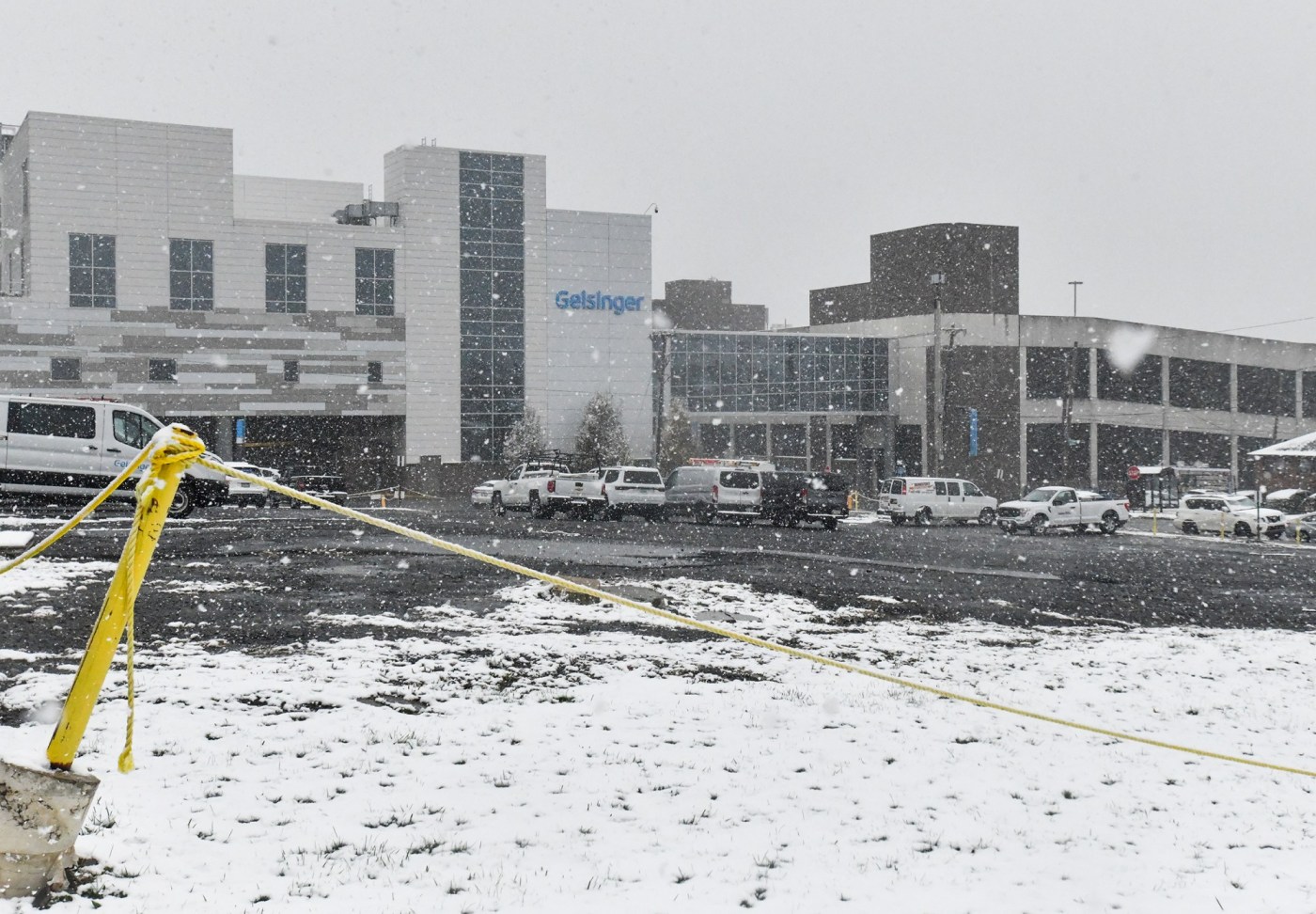
UPDATE: In a significant move for the Scranton community, Geisinger Community Medical Center has secured approval to expand its facilities, despite strong opposition from local residents. The Scranton City Council narrowly voted to approve a rezoning ordinance, allowing the hospital to build a 75-foot-tall clinical building and a five-story parking garage in the Hill Section. This decision, made just weeks ago in early December, permits the hospital to increase the building height limit from 45 feet to 100 feet.
The expansion is set to address the region’s growing health care needs, according to Mayor Paige Gebhardt Cognetti and Geisinger officials. However, local residents have expressed their concerns, fearing that the hospital’s growth will disrupt the neighborhood’s character and exacerbate traffic congestion. A last-minute legal bid to block the vote was denied by a Lackawanna County judge, underscoring the urgency and contentiousness surrounding the project.
The expansion project, which includes a bridge over Mulberry Street to connect the new facilities to the existing hospital, is expected to take approximately 18 to 24 months to complete. As the region braces for this transformation, the community remains divided over the impact on local residents.
In another critical development, the Tenor Health Foundation has signed a letter of intent to acquire three local hospitals from Commonwealth Health: Regional Hospital of Scranton, Moses Taylor Hospital, and Wilkes-Barre General Hospital. This deal, confirmed by interim CEO David E. Loving and foundation founder Radha Savitala, is a vital step toward stabilizing these essential facilities amid financial uncertainty.
This acquisition follows a tumultuous period after a previous sale to WoodBridge Healthcare failed late last year, leaving the hospitals dependent on emergency funding. Local leaders, including Mayor Cognetti and state Rep. Bridget Kosierowski, express cautious optimism, acknowledging the significance of this acquisition while highlighting the challenges ahead in ensuring sustained community support.
Meanwhile, in a separate yet equally urgent matter, the Supplemental Nutrition Assistance Program (SNAP) benefits for over 1.93 million Pennsylvanians were paused due to the recent federal government shutdown, igniting panic among eligible residents. The USDA’s directive not to issue November benefits has resulted in widespread confusion, prompting lawsuits from various states. As the shutdown concluded, the state Department of Human Services announced the resumption of SNAP benefits by mid-November, alleviating some tension but leaving many families in a precarious situation.
The health care landscape in Pennsylvania is rapidly evolving, with a focus on affordability and accessibility becoming more critical as the 2026 midterm elections approach. A group of four House Republicans broke ranks with their party in December, joining Democrats to push for a vote on extending Affordable Care Act subsidies, directly impacting constituents facing premium increases.
As these developments unfold, residents, health care workers, and community leaders are left to navigate an uncertain future marked by both opportunity and challenge. The situation in Scranton highlights the urgent need for a stable health care system capable of meeting the demands of its population while balancing the interests of the community. Stay tuned for further updates as these stories develop.