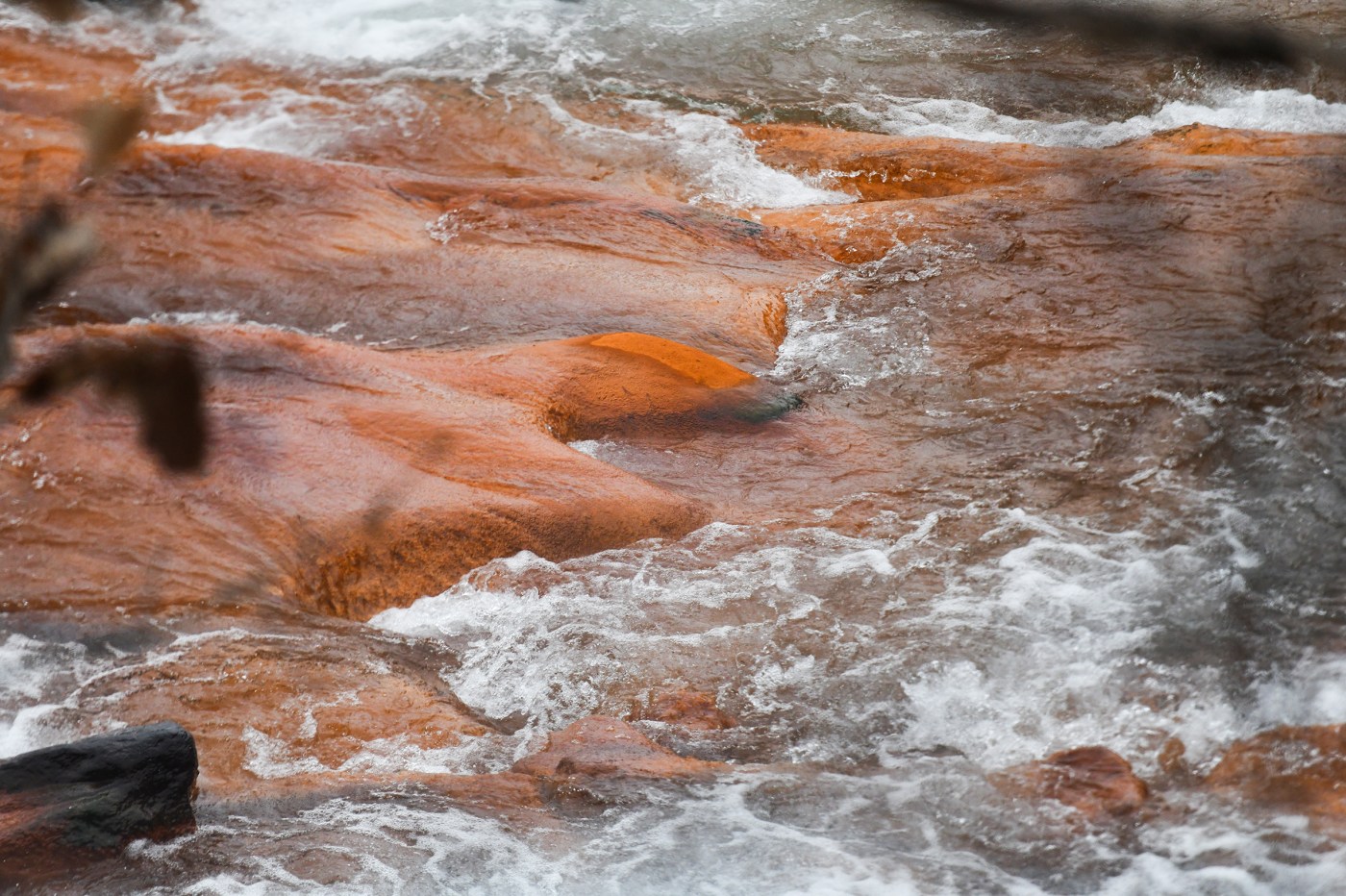
UPDATE: A groundbreaking reclamation project is underway to transform the polluted water from the Old Forge Borehole into clean energy and restore the aquatic ecosystem in northeastern Pennsylvania. The plan, introduced by Renewable Energy Aggregators Inc. (REA), aims to combat decades of environmental damage caused by mine water pollution in the Lackawanna River.
The Old Forge Borehole has been a major source of pollution, releasing 42,000 gallons per minute of contaminated water into the river. This water, filled with iron oxide and other harmful substances, has devastated local wildlife and ecosystems. The ambitious reclamation project seeks to purify this water before it flows into the river, providing 99.99% pure water for the environment while generating 671,600 megawatt-hours of hydroelectric power annually.
Officials confirm that the project will involve constructing two large reservoirs and a treatment facility within a 1,300-acre area spanning Old Forge, Ransom Township, and Duryea. This innovative design will harness gravity to generate electricity as water flows between the two reservoirs, promoting both energy sustainability and environmental restoration.
March 16, 2025, marks a critical deadline for public comments on the project, as the Federal Energy Regulatory Commission (FERC) conducts a feasibility study. Community members are encouraged to voice their opinions and concerns regarding this transformative initiative.
Adam Rousselle, principal of REA, highlights that this project is not just about energy production but also a chance to significantly improve water quality throughout the Chesapeake Bay watershed, which spans over 64,000 square miles and supports over 18 million people. The project aims to address the long-standing pollution issues affecting local rivers and, ultimately, the Chesapeake Bay itself.
The project has garnered support from environmental advocates, including former Lackawanna River Conservation Association executive director Bernie McGurl. He emphasized the project’s potential to restore habitats and create recreational opportunities, stating, “This is a win for everyone, not just for our region but for millions of people and thousands of species of wildlife downstream.”
As the public comment period progresses, the urgency of this initiative grows. The potential to restore the Lackawanna River and generate clean energy is an opportunity that could reshape local ecosystems and economies. With the clock ticking, stakeholders and community members are urged to engage and participate in shaping the future of this vital project.
The implications of this reclamation initiative are far-reaching, with benefits extending beyond local communities to impact the health of the Chesapeake Bay. As pollution-reduction milestones lag behind schedule, this project stands as a beacon of hope for environmental restoration and clean energy production.
Stay tuned for the latest updates as this important project develops, and be sure to share your thoughts during the public comment period. Together, we can drive change and support the revitalization of our waterways.