UPDATE: Homeowners are urged to act now and drain their water heaters twice a year to prevent costly damage and reduce energy bills. New reports confirm that neglecting this crucial maintenance step can lead to serious consequences, including reduced efficiency and potential safety hazards.
Many homeowners only drain their water heaters once a year, or even less frequently. However, experts recommend performing this essential task every spring and fall. Failure to do so can result in sediment accumulation that significantly impacts the water heater’s performance and longevity.
The buildup of minerals and sediment in the tank can lead to increased energy costs, as the heater must work harder to warm the water. This can shorten the lifespan of the unit, leading to expensive replacements. Furthermore, excess sediment can cause corrosion and even block the pressure release valve, which is vital for preventing overheating or tank ruptures.
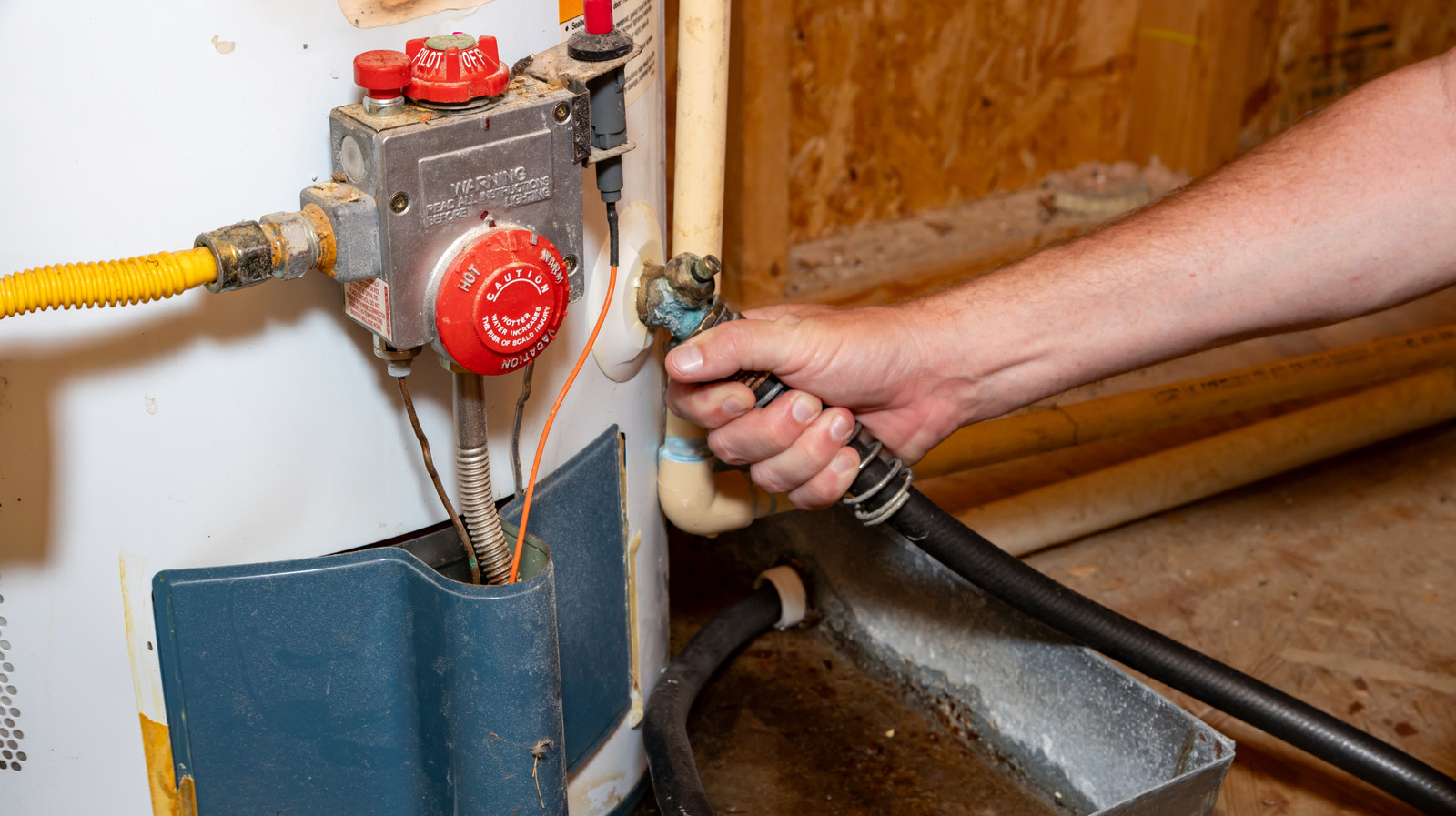
What You Need to Know: Routine water heater maintenance is not just about efficiency; it also pertains to safety. Homeowners are encouraged to get back on track with draining their tanks immediately. The task requires just a few simple items: a garden hose, a screwdriver or drain valve key, and a bucket or drain pan.
To drain your water heater, follow these straightforward steps:
1. Turn off the water shutoff valve at the top of the tank to stop water flow.
2. Switch off the power supply to the heater. For electric heaters, this is done at the electrical panel, while gas units should be set to “pilot.”
3. Allow the water in the tank to cool for a few hours, or overnight for extra safety.
4. Connect one end of the hose to the drain valve at the bottom of the tank and place the other end outside or in a floor drain.
5. Open a nearby hot water faucet to release pressure in the system, then open the drain valve to let the tank empty.
6. After draining, keep the valve open and turn on the cold water to flush out any remaining sediment.
7. Once the water runs clear, close the drain valve, remove the hose, and refill the tank before turning the heat back on.
By taking these steps, homeowners can ensure their water heaters operate efficiently, save on energy costs, and maintain water safety.
Don’t let your home maintenance tasks fall by the wayside! Keeping up with draining your water heater is crucial for financial savings and the integrity of your heating system. Share this urgent reminder to help others safeguard their homes today!