DRACUT, MA — Residents are expressing urgent concerns over the town’s 140 unaccepted streets, as Dracut’s Department of Public Works Director Ed Patenaude revealed critical challenges during a Board of Selectmen meeting earlier this week. Patenaude’s message was clear: many residents are unaware that their streets do not qualify for public services, leaving them frustrated with inadequate road maintenance.
During the meeting, Patenaude explained that funding for road repairs primarily comes from the state’s Chapter 90 reimbursements. However, he warned that Dracut’s noncompliance with the MBTA Communities Act might jeopardize these essential funds. “There’s nothing I can do,” Patenaude lamented, as he addressed taxpayers’ complaints about their unaccepted streets.
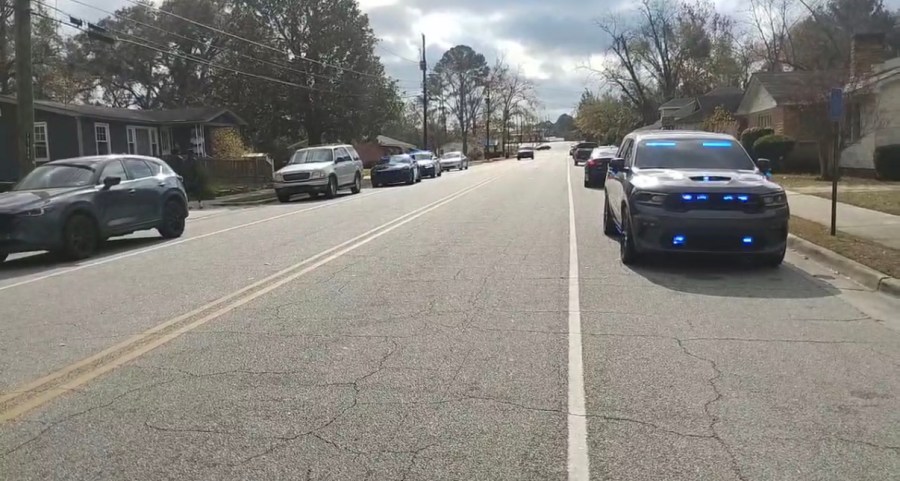
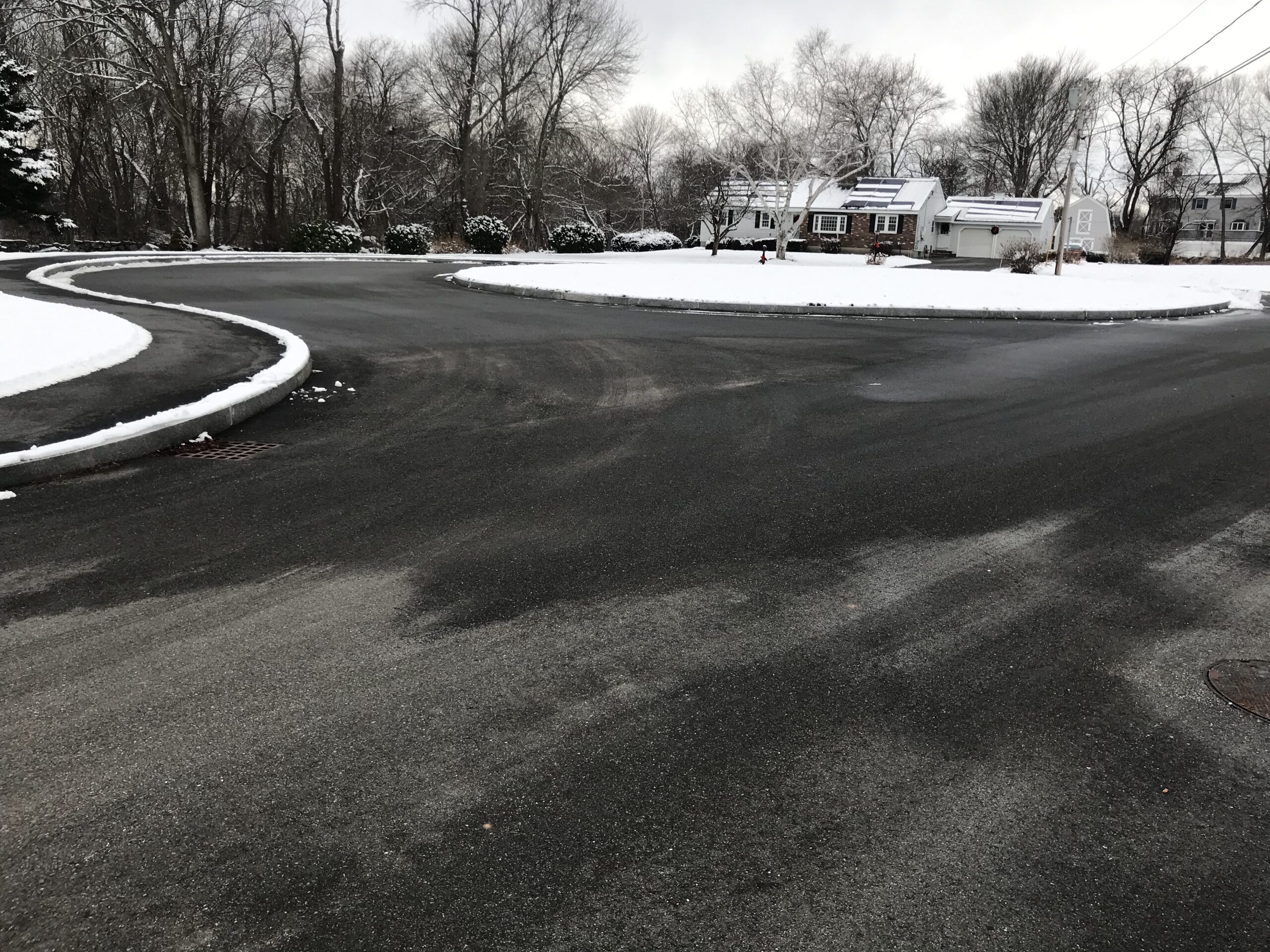
The term “unaccepted streets” refers to roads that have not been formally recognized by the town, often due to oversights in construction projects where developers receive their bonds prematurely. As a result, streets remain in disrepair, leaving residents feeling neglected. One frustrated homeowner described his unaccepted street as “an embarrassment,” noting that visitors frequently question why he pays taxes for subpar services.
In response to these issues, the Department of Public Works is undertaking a comprehensive inventory of the town’s streets, the last update of which was conducted in 2019. A new inventory is expected in 2026, which will help the DPW formulate a five-year road repair plan targeting the 147 miles of unaccepted streets in Dracut.
Patenaude stated that the DPW aims to get five to seven streets accepted every year, emphasizing that tackling all 140 streets at once is not feasible. Streets are evaluated and ranked from Level 1 to Level 5, with Level 1 in good condition and Level 5 requiring major reconstruction.
One notable example is Tally Ho Drive, which has undergone significant repairs thanks to federal funding from the American Rescue Plan Act. Without these funds, Patenaude noted, additional work on any streets would have been impossible.
In a positive development, Patenaude announced that just before the meeting, 10 additional streets had been accepted, increasing potential funding from the state. However, some older and smaller streets may face challenges in meeting modern standards, prompting the DPW to collaborate with state officials for solutions.
As frustration mounts among Dracut residents, the DPW is under pressure to address these issues swiftly. The community eagerly awaits the upcoming inventory and the new five-year plan, hoping for tangible improvements in their neighborhoods.
Residents are encouraged to stay informed as further updates are expected from the DPW regarding progress on road repairs and the acceptance of additional streets. This situation continues to develop, and the urgency for action is more apparent than ever.