Urgent update: The U.S. House of Representatives is set to vote this week on H.R. 845, the “Pet and Livestock Protection Act of 2025.” This critical legislation aims to remove gray wolves from the federal Endangered Species Act list, allowing state wildlife agencies to manage them directly. The bill seeks to reinstate a controversial 2020 rule by the U.S. Fish and Wildlife Service that previously delisted gray wolves across the lower 48 states.
Today, December 12, 2025, alarming reports have emerged from Siskiyou County, California, where a group of wolves was spotted dangerously close to Little Shasta Elementary School. At one point, they were observed just 0.6 miles from the school grounds, with another sighting revealing them actively chasing cattle 0.9 miles away. This escalating situation poses a severe public safety risk, especially as many children wait for school buses in the vicinity.
Siskiyou County Supervisor Jess Harris expressed deep concerns, stating,
“The increasing habituation of wolves to human presence represents a serious and escalating public safety concern. Immediate, common-sense wildlife management is urgently needed.”
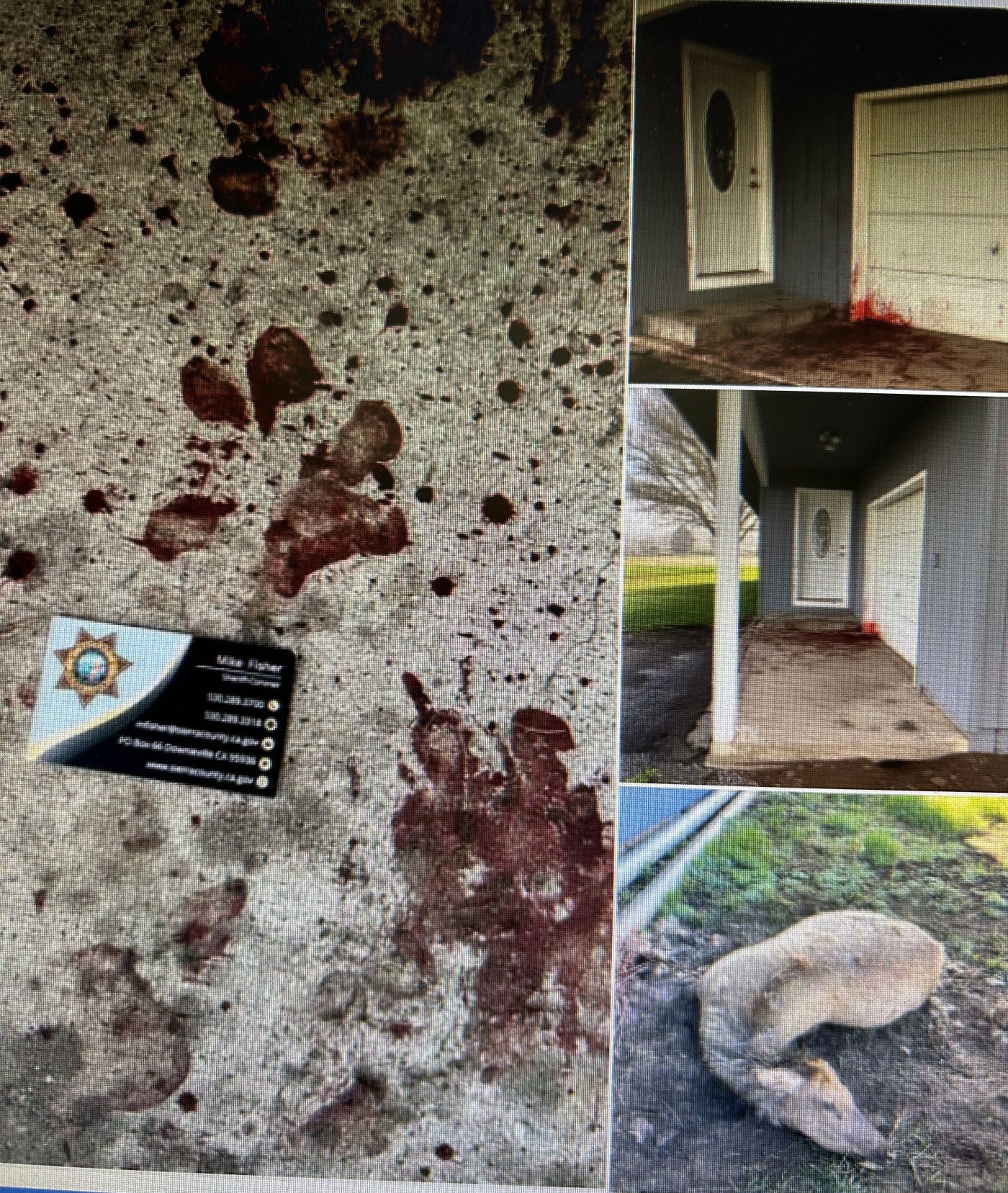
Ranchers in surrounding areas, including Sierra Valley, are already feeling the impact of wolf activity on their livelihoods. A recent report by agriculture journalist Angie Stump Denton highlights that wolf-related conflicts have significantly increased during the 2025 grazing season, with many cattle losses going unreported as carcasses are often consumed before investigators arrive.
Wolves are not merely “big coyotes.” The presence of these predators has been linked to heightened stress among livestock, leading to issues such as aborted calves and reduced herd conditions. According to UC-Davis research, the indirect costs of wolf presence can translate into substantial economic losses for ranchers.
Ranchers are also facing emotional tolls. Sleepless nights and increased stress have become common as families grapple with the unpredictable threat wolves pose to their herds and livelihoods. The emotional implications extend beyond individual producers, affecting entire rural communities as ranches reduce herd sizes or shut down altogether.
Farmers and ranchers are not demanding the eradication of wolves but are advocating for effective management strategies. They seek fair compensation for losses, the authority to protect their livestock when under attack, and policies that do not leave rural families alone to bear the costs of predator conservation.
The growing urgency surrounding this issue has prompted organizations like the California Cattlemen’s Association (CDA) to mobilize support. They are urging their members to contact their U.S. Representatives and advocate for a vote of “AYE” on H.R. 845. To locate your representative, visit www.house.gov and follow the prompts to find your representative by entering your zip code.
As the situation develops, the outcome of this vote could have significant implications for both local communities and wildlife management practices across the nation. The stakes are high, and ranchers are calling for immediate action to ensure their family’s livelihoods and public safety.
Stay tuned for further updates as this critical vote approaches and the community’s response evolves.