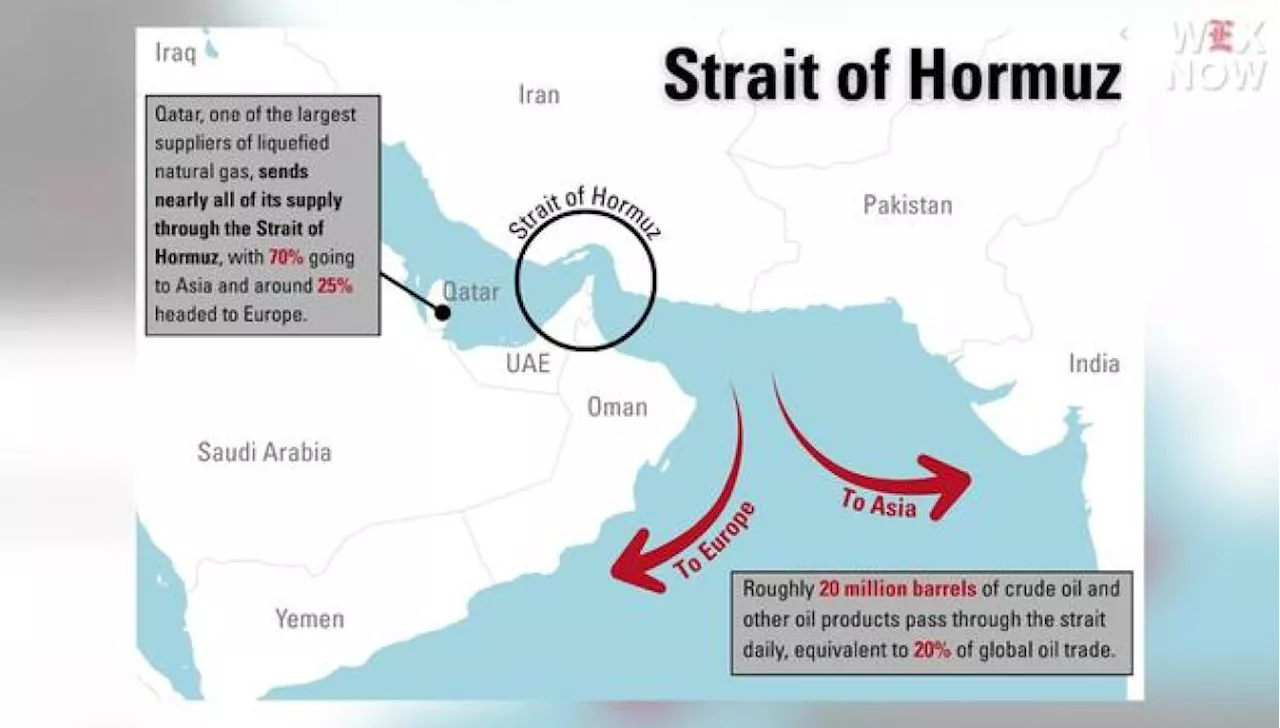
The United States is positioning military forces for possible ground operations in the strategic Strait of Hormuz. Recent deployments suggest a focus on Kharg and Qeshm islands, aiming to establish control over this vital shipping route amid ongoing conflict with Iran. The situation has escalated, as Iran’s actions are reportedly deterring shipping companies from navigating the strait, intensifying the urgency for U.S. intervention.
Iran’s military posture in the region has raised concerns. The country’s capabilities include surface gunboats, underwater and aerial drones, and missiles strategically hidden from U.S. surveillance. The Trump administration is aware that a U.S. defeat in this conflict could significantly damage American credibility with allies and strengthen adversaries like China and Russia, who are keen to exploit any perceived weakness.
As military operations evolve, the U.S. Navy has yet to implement escort missions for civilian vessels, a decision some military analysts argue is necessary. Nonetheless, the complexities of the situation indicate that naval escorts could provoke direct confrontations with Iranian forces. Until Iranian military capabilities are sufficiently degraded, such operations could lead to significant risks for U.S. warships.
The deployment of the 31st Marine Expeditionary Unit, consisting of around 800 combat infantry personnel and equipped with F-35B stealth fighter jets, underscores the U.S. commitment to maintaining a presence in the region. This unit is being redeployed from the Pacific to enhance the U.S. military’s operational readiness in the Middle East. Additionally, there are indications that elements of the 1st Marine Division may also be sent to support these operations.
Ground combat on Qeshm Island could be particularly challenging. The island, which is 68 miles wide, is heavily fortified with underground bunkers, making any offensive operations potentially bloody and difficult. Control over Qeshm could significantly mitigate drone and missile threats to maritime traffic, thereby improving the safety of international shipping.
The U.S. strategy appears focused on not only degrading Iranian military capabilities but also forcing a reassessment of Iran’s approach to the conflict. An American victory in this context would not only secure U.S. interests but also restrict Iran’s economic resources, which were already strained before the conflict.
The stakes are high for President Trump, who must navigate a delicate balance. Allowing Iran a victory in the Strait of Hormuz could have long-lasting repercussions on U.S. foreign policy and military credibility. As the conflict continues, the potential for ground operations raises questions about the implications for U.S. strategy and regional stability.
Should U.S. forces land on either Kharg or Qeshm Islands, it would signal a significant escalation in hostilities. The complexity of the military landscape in the region demands careful consideration and strategic planning from U.S. leadership to avoid unintended consequences that could further destabilize the area.