UPDATE: The US Navy pilots are now utilizing groundbreaking technology to enhance safety during aircraft carrier landings, as confirmed by military officials. The Precision Landing Mode, a sophisticated software system, significantly reduces the complexity of landing maneuvers, transforming the way naval aviators approach this critical task.
In a recent demonstration, Capt. Dan Catlin, commanding officer of Strike Fighter Squadron, highlighted the system’s efficiency, noting, “by far the smoothest evolution, best performance we’ve seen from our students ever — and that’s by an awful lot.” This shift is crucial as the Navy strives to improve pilot training and operational safety amid the challenges of carrier landings.
The F/A-18E-F Super Hornet and the new F-35 Lightning II are now equipped with the Precision Landing Mode, which began development in 2015 under the name Magic Carpet. Unlike fully autonomous systems, this technology supports pilots by alleviating the need for hundreds of manual adjustments during landing. Instead of making up to 300 adjustments in the final moments of landing, pilots can now focus on fewer than 10 critical inputs, drastically improving their chances of a successful landing.
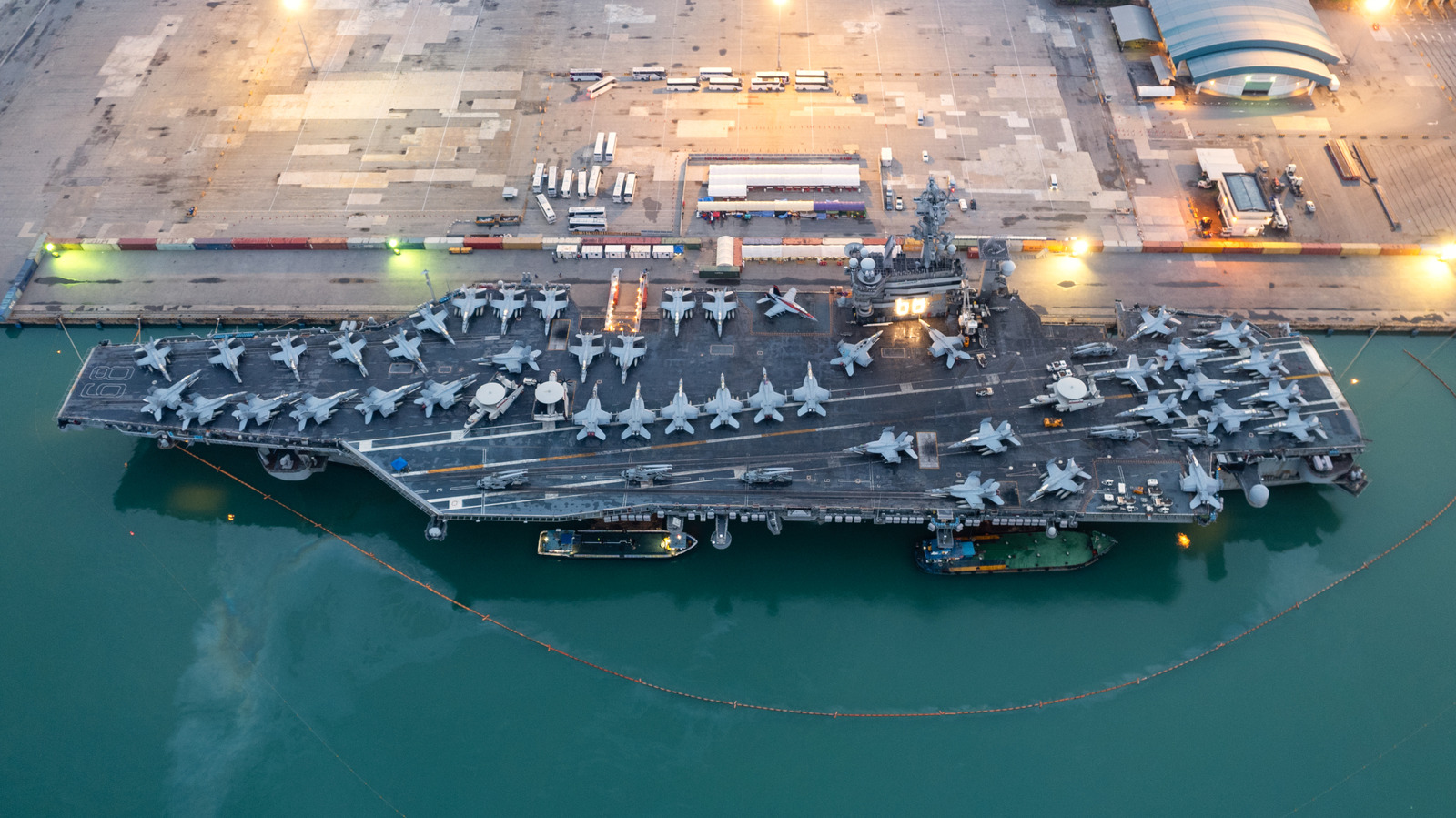
Landing on an aircraft carrier is one of aviation’s most challenging tasks, with pilots needing to catch arresting wires to halt their descent in limited space. In a recent training exercise, the effectiveness of this system was evident as newly qualified pilots practiced their landings, showcasing the potential of the Precision Landing Mode to enhance performance and safety.
While the Navy has not fully dispensed with human oversight, this innovation represents a significant leap in pilot assistance technology. The Federal Aviation Administration mandates that at least one crew member be present with the pilot in the cockpit for commercial flights, but military operations often operate under different standards due to the unpredictable nature of missions.
The Precision Landing Mode is set to become a new standard in naval aviation, ensuring pilots are well-equipped to handle the complexities of carrier landings. As safety and training continue to evolve, this development is expected to make a profound impact on how naval aviators operate in high-pressure environments.
As we look ahead, the integration of this technology into regular training will be closely monitored, with officials emphasizing the necessity of maintaining manual landing skills, even as automated systems advance. The Navy’s commitment to pilot proficiency remains a top priority, ensuring that aviators can effectively respond to any potential aircraft malfunctions.
Stay tuned for more updates on this developing story as the US Navy continues to innovate in the field of aviation safety and pilot training.