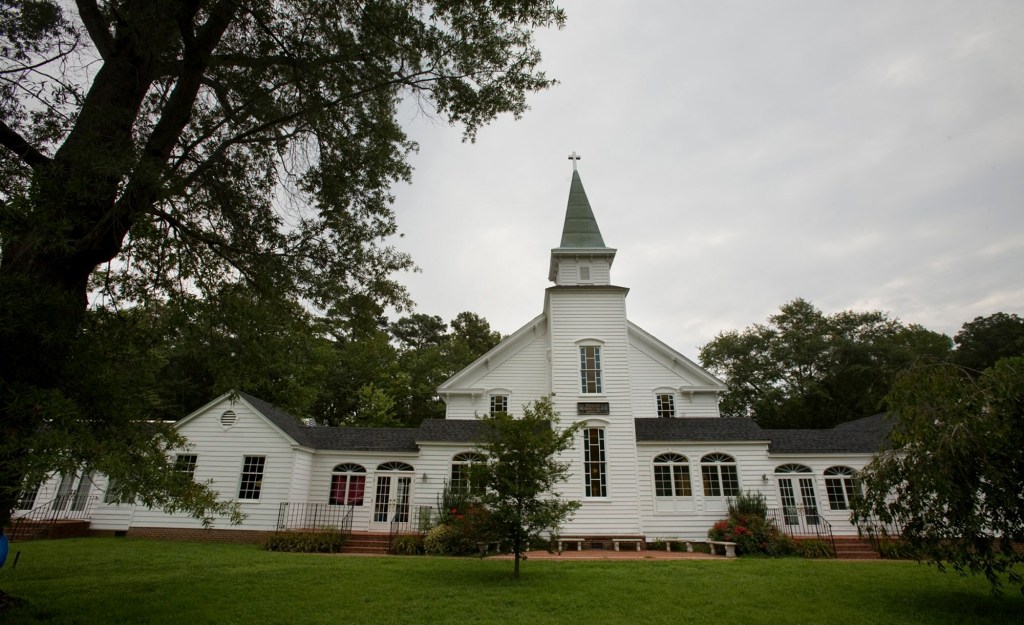
UPDATE: In a surprising move, the Nimmo United Methodist Church in Virginia Beach has requested to be removed from its historic designation, sparking urgent discussions about the financial implications of maintaining historic structures. The Planning Commission heard the church’s request on December 3, 2023, and a decision has been postponed until January 14, 2024.
The church, recognized as the oldest Methodist church in the United States in continuous operation, is grappling with soaring costs for necessary repairs and renovations. According to Mark Reed, the city’s historic preservation planner, the church’s representatives cited “significant material and labor costs” as the driving force behind their plea.
The Historical Review Board, which oversees alterations within historic districts, has twice denied the church’s request, raising concerns about how this could set a precedent for other historic sites in the city.
“It’s an important issue affecting our consideration of this district and other districts throughout the city,”
stated Commissioner Bryan Plumlee during the meeting.
The Nimmo Church Historical and Cultural District, established in 1980, is one of Virginia Beach’s 16 Historical and Cultural Districts, which aim to protect sites of significant cultural heritage. This includes properties from the Colonial era through the 20th century. The district encompasses both the church and a recently constructed Royal Farms convenience store at the bustling intersection of General Booth Boulevard and Princess Anne Road.
With the church’s request not only seeking to exit the designation but also potentially dissolving the district entirely, the implications are severe. The city’s Historic Review Board evaluates applications for exterior changes and maintenance, and any alterations require a “certificate of appropriateness” for construction permits.
Councilwoman Barbara Henley, who represents the district, has voiced her concerns regarding the stringent standards imposed by the review board. She emphasized the need for a compromise:
“Being in the (historic and cultural) district, they’re just required to meet the highest standard of historic preservation,”
she said. “That gets extensive. After awhile it just gets to be so costly you just can’t afford it.”
Despite these challenges, the church has not submitted any recent applications for repairs or changes, leaving many questions unanswered regarding their specific needs. Previous attempts for expansions, like a proposed welcome center, have also faced rejection due to preservation concerns.
As both the Planning Commission and local officials await further information from the church, the outcome of this request could reshape the future of historic preservation in Virginia Beach. Observers are keenly watching how this situation unfolds, as it may influence other historical sites facing similar challenges.
Stay tuned for updates as the situation develops ahead of the crucial January meeting.