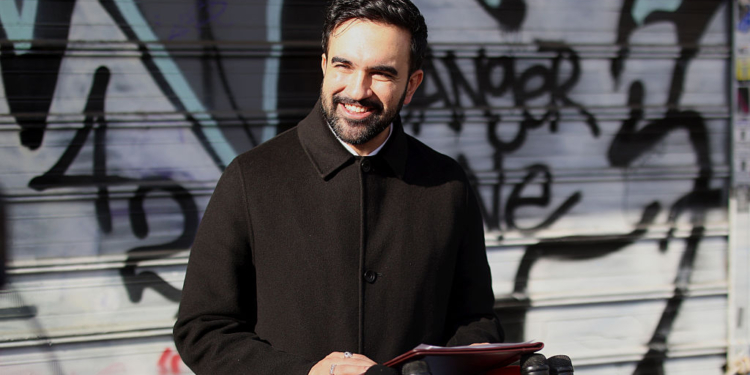
UPDATE: New York City’s Mayor-elect Zohran Mamdani has ignited a firestorm of controversy by appointing former rapper and community activist Mysonne Linen to his public safety transition team. The announcement, made via an Instagram post from social justice organization Until Freedom on December 8, 2025, has raised eyebrows and sparked intense debate about crime policy in the city.
Mamdani, who won the mayoral election on a progressive platform, has wasted no time in shaping his administration’s approach to public safety. The Instagram post featured Linen alongside fellow activists Tamika Mallory and Angelo Pinto, celebrating their roles in Mamdani’s committees on public safety and criminal justice. Until Freedom stated, “We are building something different,” signaling a commitment to transformative change.
Linen’s appointment is controversial due to his criminal history. The Bronx native, now 49, was previously signed to Def Jam and served seven years in prison for two felony robberies of taxi drivers—one involving a beer bottle and the other a firearm. Victims Joseph Exiri and Francisco Monsanto testified against him in court. Linen has maintained his innocence, asserting he was falsely accused despite the convictions.
The backlash was immediate. Critics, including the group Jews Fight Back, expressed outrage on social media, stating, “Mayor-elect Zohran Mamdani just appointed a convicted armed robber to help shape NYC’s crime and policing policy.” The tweet included a graphic highlighting Linen’s past, eliciting strong reactions from the public.
“We are building something different,” Linen stated in response to the criticism, reiterating his commitment to social justice and community safety.
As Mamdani prepares to take office on January 1, the implications of this appointment remain significant. It raises critical questions about New Yorkers’ willingness to embrace unconventional figures in shaping public safety policies. Supporters argue that Linen’s experiences position him to understand the complexities of crime and community engagement, while opponents fear the implications of placing someone with a violent felony record in such a pivotal role.
This developing story will continue to unfold as Mamdani’s administration takes shape, and the public response will likely influence his approach to crime and policing in New York City.