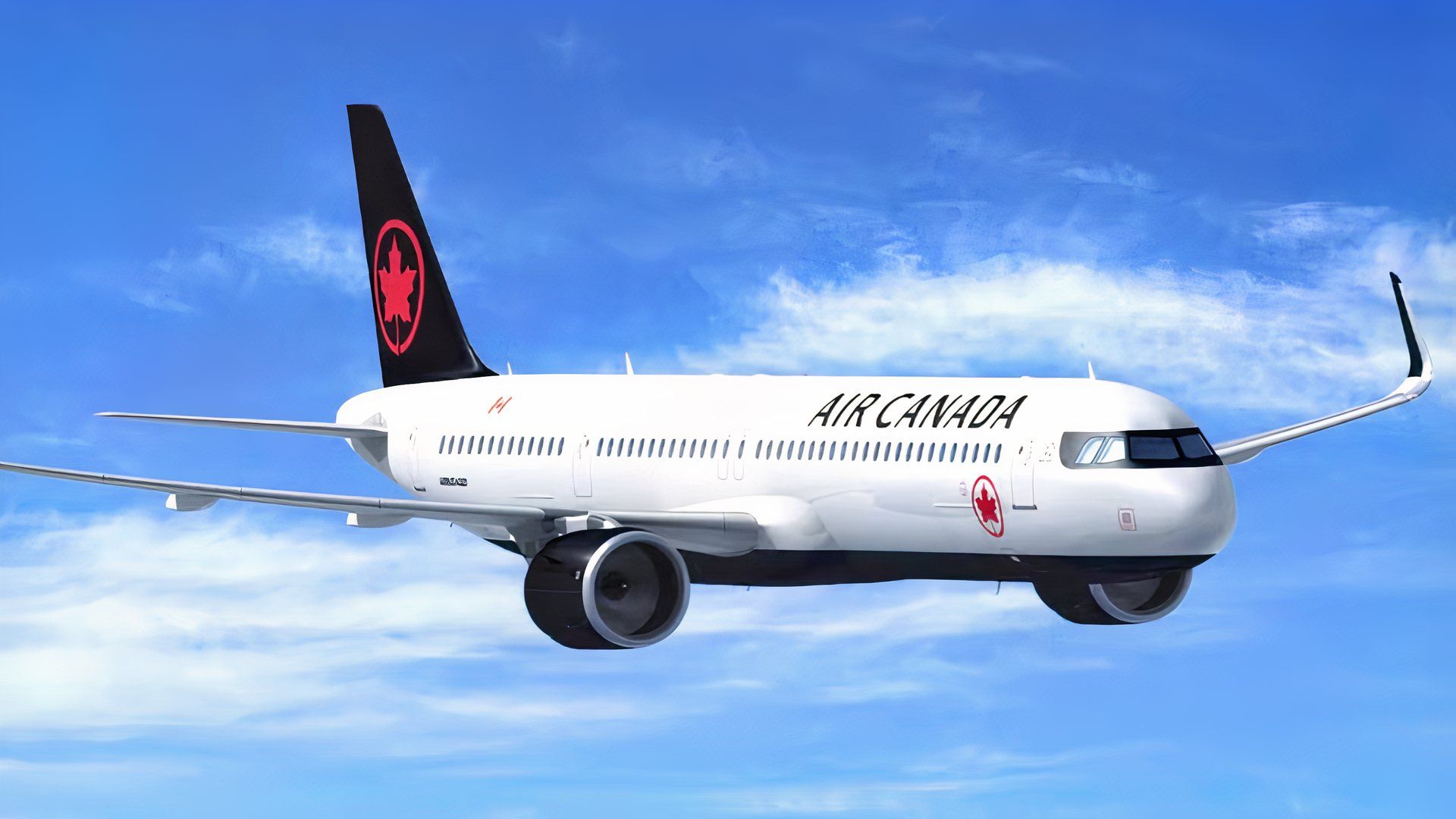
Air Canada has placed a significant order for the Airbus A321XLR, with plans to integrate 30 of these aircraft into its fleet beginning in early 2026. This delivery has faced delays, moving from an initial expected arrival in 2024. The A321XLR will feature a seating capacity of 182, consisting of 14 fully flat business class seats arranged in a 1-1 configuration and 168 economy seats in a 3-3 layout.
The addition of the A321XLR is crucial as it will become Air Canada’s primary long-haul narrowbody aircraft, particularly after the transition of its Boeing 737 MAX 8s to its Rouge subsidiary. The airline’s Chief Commercial Officer, Mark Galardo, shared insights regarding the aircraft’s performance and challenges in a recent interview with The Airline Observer.
Insights from Air Canada’s CCO
Galardo acknowledged that while the A321XLR’s range meets expectations, operational challenges have emerged. He emphasized that certain factors, such as short runways or high temperatures at smaller airports, can significantly impact payload capacity. He noted, “If you’re in a smaller airport where you have an obstacle at the end of the runway, or you have a short runway, or you have heat concerns, it starts to cut down the payload. That’s something I don’t think we factored in when we made the purchase decision.”
As a case in point, he highlighted flights from Madrid to Toronto, where Iberia plans to operate nine-hour journeys using the A321XLR during the summer months. Galardo pointed out the potential heat issues faced when departing Madrid around noon in the summer, when temperatures can soar to 37 to 38 degrees Celsius.
Despite these challenges, Galardo mentioned that Air Canada is considering expanding its A321XLR routes to include additional destinations in Spain, such as Bilbao, Ibiza, and Seville. However, he expressed concerns that high summer temperatures could affect the aircraft’s performance to these locations.
Current and Future Routes
Beginning June 17, Air Canada will launch a new route from Montreal to Palma de Mallorca, utilizing the A321XLR four times a week. This route raises questions about potential payload restrictions, especially given Galardo’s comments regarding operational challenges. Air Canada’s five initial transatlantic routes using the A321XLR will all operate from Montreal, covering an average distance of approximately 2,876 nautical miles (5,326 km).
Currently, Air Canada plans to use the A321XLR to fly to Porto, Dublin, Edinburgh, Palma, and Toulouse. The aircraft will replace widebody jets on some of these routes while serving as a replacement for the MAX 8 on flights to Edinburgh. Earlier this year, Iberia stated that its A321XLRs can realistically cover distances up to 3,920 nautical miles (7,960 km), allowing for longer routes than Air Canada intends to operate at present.
The A321XLR is designed to provide a cost-effective option for Air Canada, with roughly half the trip cost of widebody aircraft. This capability allows the airline to explore new markets while adjusting capacity to align with demand, potentially increasing flight frequencies and improving competitive standing.
As Air Canada prepares for the A321XLR’s addition to its fleet, the airline is also eyeing further opportunities for its deployment from various Canadian hubs. Routes from Halifax to Heathrow and between Montreal and Keflavik are potential candidates for the A321XLR. Additionally, Galardo mentioned possible future destinations including Berlin, Budapest, and Manchester, all within the aircraft’s operational range.
Overall, the A321XLR offers Air Canada a strategic opportunity to enhance its route network and optimize its fleet for changing market demands, even as challenges remain regarding specific geographic considerations and seasonal performance.