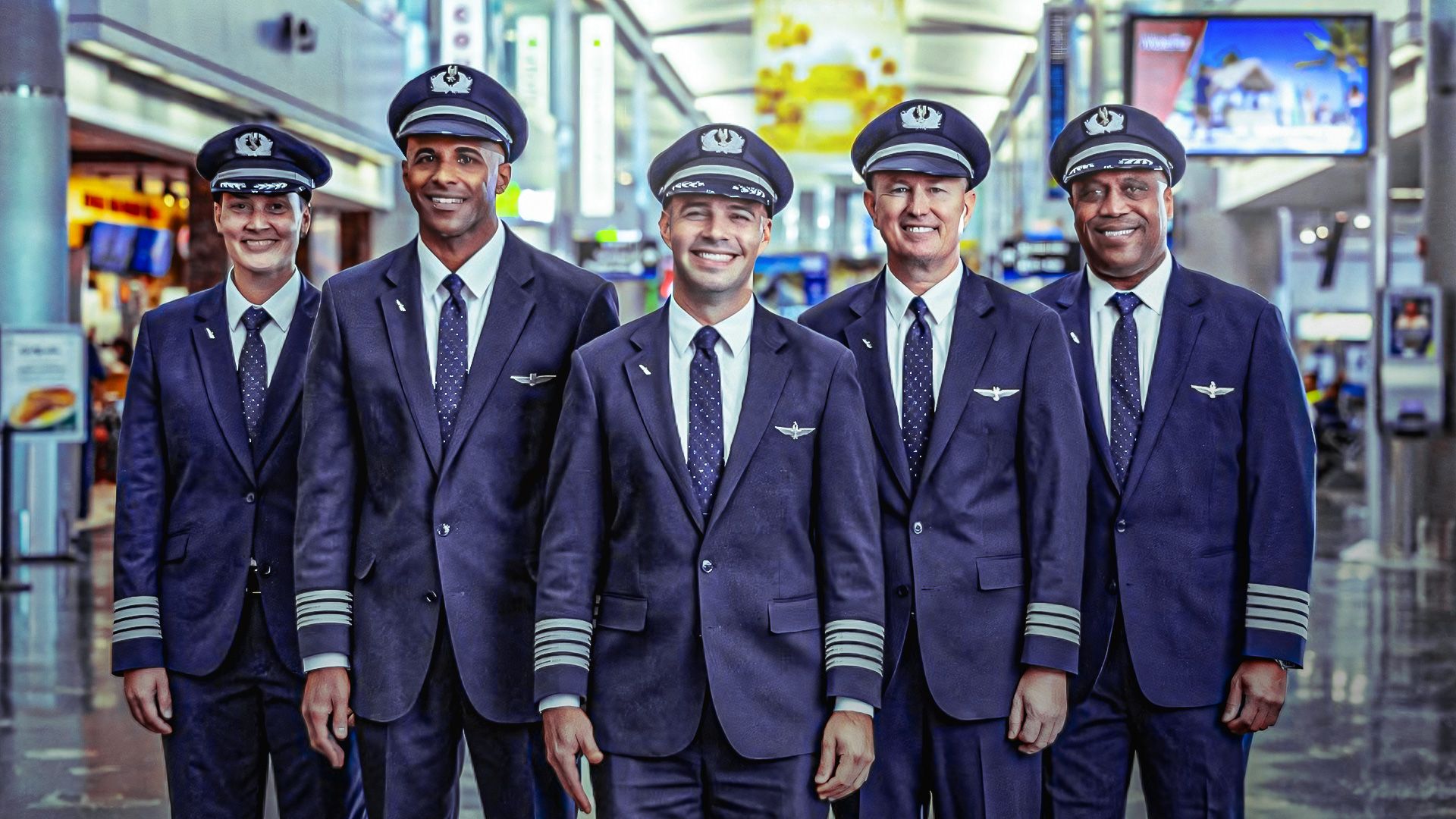
The recent revelation of a pilot’s annual earnings at American Airlines has ignited a debate about pilot salaries across the aviation industry. A Boeing 737 Captain posted, then deleted, his paycheck on Reddit, showing gross earnings of nearly $458,000 for the year 2025. While this figure has drawn considerable attention, many support the salary, recognizing the significant responsibilities that pilots carry.
Despite the high salary, it is essential to understand that not all pilots at American Airlines earn this amount. Salaries depend on various factors, including seniority, type of aircraft, and position. The pilot in question was based in Miami and commanded an hourly rate exceeding $360. This hourly rate, while impressive, does not represent the peak of American Airlines’ pay scale.
Understanding the Salary Structure
American Airlines operates a fleet that includes various aircraft types, each associated with different pay scales. The Boeing 737 family, including the 737-800 and 737 MAX 8, falls within the same pay category as the Airbus A319-100, A320-200, and A321-200. However, pilots flying the newer A321neo and A321XLR can expect higher compensation. Furthermore, American Airlines also manages a fleet of widebody aircraft, including 67 Boeing 777s and 70 Boeing 787s, which offer even higher pay rates, reaching approximately $447 per hour for captains.
In light of this, widebody captains at American, as well as at Delta Air Lines and United Airlines, often earn over half a million dollars annually. American Airlines’ current contracts for pilots stipulate annual increases in hourly rates until 2027, suggesting that salaries will continue to rise.
Components of a Pilot’s Paycheck
The structure of a pilot’s paycheck is multifaceted. It begins with an hourly rate determined by the type of aircraft and the pilot’s position. Compensation typically accounts for flight hours, calculated from when the aircraft’s parking brake is released until it is set again. Regulations from the Federal Aviation Administration (FAA) limit airline pilots to flying no more than 1,000 hours annually. However, airline contracts guarantee a minimum monthly pay, usually between 70 and 76 hours, even if actual flying hours exceed 80.
Additional pay components may include premium rates for flights taken on days off, recurrent training, sick time, vacation, and per diem allowances for living expenses during layovers. The American Airlines pilot who shared his earnings reported $333,716.10 from his standard hourly rate, with the remaining $124,178.41 coming from other sources like per diem and profit sharing.
Despite the high salary reported by some pilots, the average pay rate for airline pilots in the United States is generally calculated as the hourly rate multiplied by 1,000 flight hours, although actual earnings may exceed this estimate.
The landscape of airline pilot salaries in the United States is unique compared to other countries. Although pilots at major airlines like Alaska, Delta, Southwest, and United enjoy competitive salaries, airlines in other regions often offer lower pay. In fact, while some widebody captains overseas may earn between $300,000 and $400,000, U.S. pilots are among the highest paid in the world.
Various factors influence pilot experiences in the U.S. airline industry. While major carriers typically offer lucrative salaries, low-cost airlines often struggle, resulting in lower compensation for pilots.
The Path to Becoming a Pilot
Becoming a commercial airline pilot requires substantial investment, including flight training that can range from $80,000 to over $100,000. Although a college degree is not mandatory for employment, having one is highly recommended. Pilots must obtain multiple licenses, including a private pilot license, instrument rating, and commercial pilot license, along with meeting the requirement of 1,500 hours of flight time for an Airline Transport Pilot License (ATPL). This extensive training process can take several years and often necessitates working in lower-paying positions, such as flight instructing, to accumulate necessary experience.
The volatility of pilot pay is influenced by the state of the airline industry. Following significant pay cuts in the 2000s due to financial instability, pilot unions have successfully negotiated increased salaries and improved working conditions in recent years. The Air Line Pilots Association is the largest union representing pilots in the U.S., advocating for fair compensation and job security.
The COVID-19 pandemic temporarily disrupted air travel, leading to significant pilot retirements and a subsequent shortage of qualified pilots. As airlines rebound and demand for air travel rises, pilot unions have seized the opportunity to negotiate better pay and working conditions, resulting in some of the highest salaries ever recorded in the industry.
In summary, while the reported salary of nearly $458,000 for an American Airlines pilot may be eye-catching, it reflects only a portion of the broader complexities surrounding pilot compensation and the aviation industry. As the landscape continues to evolve, the potential for increased earnings remains significant for those in this demanding profession.