A recent survey conducted by Gallup reveals that Americans are experiencing unprecedented declines in mental health, with only 29% of respondents rating their mental health as “excellent.” This represents a significant decrease from 43% in 2019, prior to the onset of the COVID-19 pandemic. The findings indicate a troubling trend, as the percentage of individuals reporting “good” mental health also reached new lows.
The survey, which tracks mental health ratings over nearly 25 years, shows that perceptions of mental well-being sharply declined between 2019 and 2020. In 2020, only 34% of Americans considered their mental health to be excellent. The trend has continued downward, falling below 30% for the first time this year. These declines are evident across various demographic groups, including significant drops among both men and women.
Younger generations, particularly Gen Z and millennials, have experienced the most significant declines, with reported drops of 14 and 16 points, respectively. Older generations, including Generation X, baby boomers, and the silent generation, have also seen their mental health ratings decrease.
Political affiliation appears to correlate with mental health assessments as well. Both Republicans and Democrats report worse mental health now compared to before the pandemic, with Republicans showing a drop of 13 points and Democrats a decrease of 9 points.
The rise in mental health issues has prompted more Americans to seek professional help. According to Gallup, nearly a quarter of adults in the United States have visited a mental health professional within the past year. The average number of annual visits to mental health professionals has increased from 1.5 visits two decades ago to 3.2 visits currently.
Impact of Pandemic on Mental Health
Dr. Olivia Tomasco, a primary care physician at Houston Methodist, has observed a notable increase in patients discussing their mental health struggles. She identifies the pandemic as a pivotal moment that exacerbated mental health challenges, particularly for younger individuals who were navigating formative years during this crisis.
Dr. Tomasco highlights the financial and health uncertainties generated by the pandemic, along with increased isolation. “Life may seem back to normal, but we have not fully recovered from the collective trauma,” she stated. She emphasizes that while people are now engaging in social activities, underlying uncertainties persist.
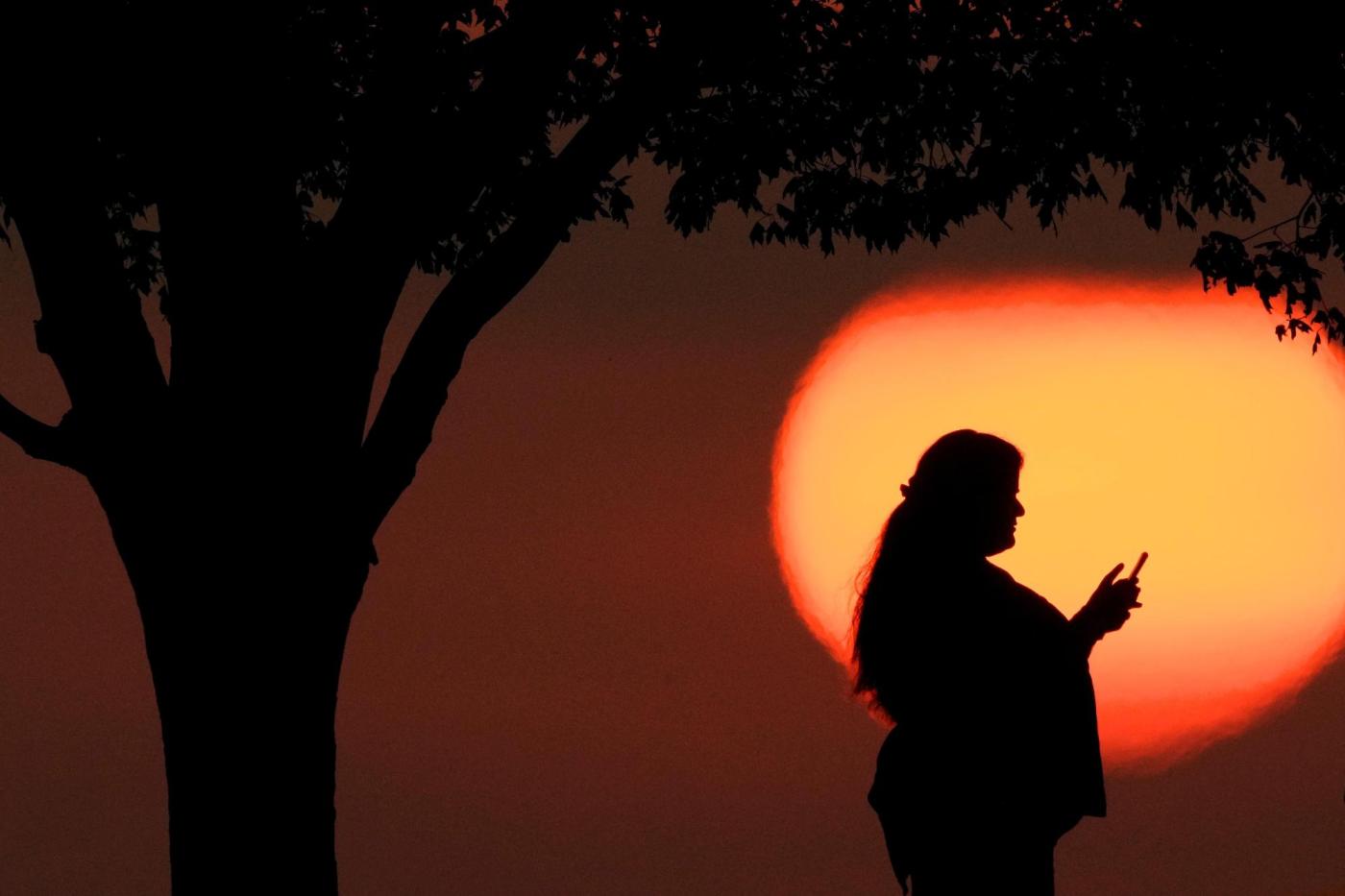
The adverse effects of social media on mental health are also a concern for Dr. Tomasco. She notes that patients often experience heightened anxiety due to “doom scrolling,” where they are constantly confronted with negative information. This can trigger physiological responses, making it difficult to manage stress and anxiety effectively.
Strategies for Improvement
Addressing the decline in mental health will require community engagement and social interaction, according to Dr. Tomasco. She suggests that individuals should strive to build friendships and connections outside of their homes. However, she acknowledges that this is challenging for those working remotely and feeling isolated.
Dr. Tomasco advocates for “mindfulness, movement, and connection” as essential components for improving mental health. She also stresses the importance of making mental health services more accessible and affordable to the general public.
As the data from the Gallup survey underscores the ongoing mental health crisis in the United States, it is clear that more attention is needed to address these issues holistically and compassionately. The pandemic may have shifted perceptions and realities, but the path to recovery remains a priority for many.