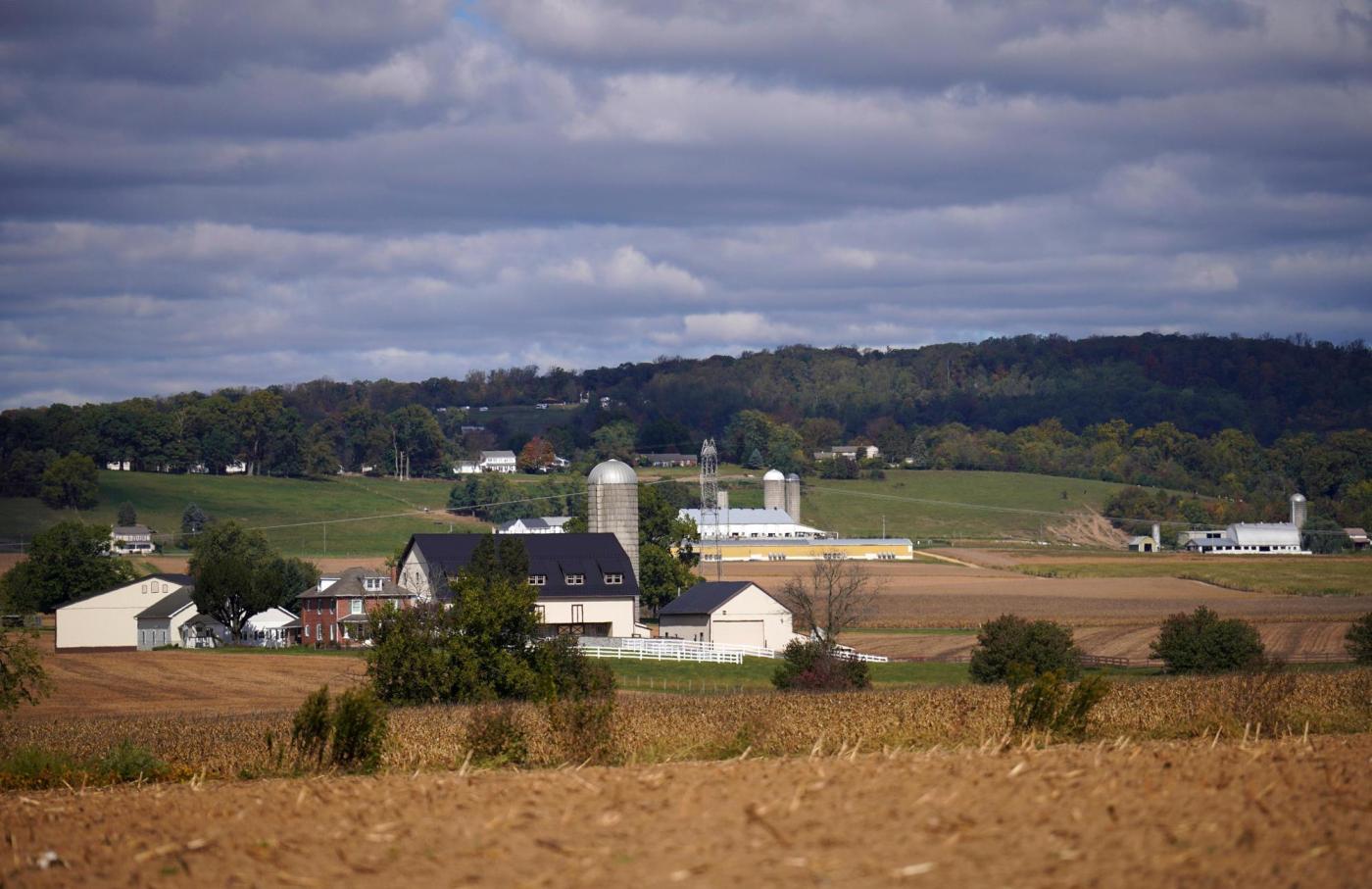
The Amish population in Pennsylvania has reached a historic high, prompting some families in the Lancaster area to move further west in search of land and opportunities. According to research from Elizabethtown College, the Amish community is experiencing a significant increase, with populations doubling approximately every twenty years.
Kyle Kopko, an Amish researcher and professor at Elizabethtown College, noted the rapid growth: “It is growing fast.” The Lancaster County area, recognized as the largest Amish settlement in the United States, is home to approximately 44,000 Amish adults and children. Steven Nolt, a leading expert on Amish culture and director of the Young Center for Anabaptist and Pietist Studies, highlighted that as of May 2024, Pennsylvania houses an estimated 95,410 of the nation’s 404,575 total Amish population, or about 23.6%.
Nolt explained that the Amish categorize their communities not by conventional county or township lines but by districts, which function similarly to church parishes. Currently, there are 267 districts within what is referred to as the “Lancaster settlement.” Notably, around 88% of this settlement is located in Lancaster County, while the remaining 12% has expanded into neighboring Chester, Dauphin, and Berks counties, as well as Cecil County in Maryland.
Several factors contribute to the rising Amish population. Families tend to have larger numbers of children compared to the general population, with about 80-90% of Amish children joining the church as adults, ensuring continuity in their communities. Nolt stated, “So when you have large families and you have what sociologists call a high retention rate…you can get a doubling rate of about every 20 years.”
Shift from Agriculture to New Opportunities
As the Amish population grows, the availability of farmland in Lancaster County diminishes. This scarcity has prompted many Amish families to seek employment outside traditional agriculture. Nolt remarked, “When you have a population that is growing that rapidly, there just aren’t enough farms that are available for sale, frankly.”
Historically, about 90% of Amish families owned farms; today, that figure has dropped to approximately one-third. Despite the decrease in farming ownership, there are still more Amish-owned farms than in previous decades due to the larger overall population. Nolt emphasized that the transition to non-farm work represents a significant consequence of the Amish population surge.
The search for farmland has led some families to relocate westward to areas like Littlestown in Adams County. Kopko explained that while economic opportunity is a factor, practical considerations often drive these moves: “There might not be the opportunity to buy the type of property that they’d like to in Lancaster County…so they might have to go further west.”
Local officials in Littlestown have noted the trend. Mayor Jennifer Beskid reported an increase in the Amish population in the surrounding farms, stating that families have established businesses like Pennland Greenhouse and Kings Farmstead and Market. Beskid added that these families work alongside non-Amish residents to promote their markets via social media.
Growing Interaction with Non-Amish Communities
As the Amish population continues to expand, their interactions with non-Amish individuals and government entities also increase. Kopko, who serves as the executive director of the County Commissioners Association of Pennsylvania, highlighted a rise in Amish engagement with agencies for tax credits, business opportunities, and grants.
He noted that this trend is particularly evident in the Lancaster settlement, where younger, entrepreneurial members of the Amish community are more willing to interact with non-Amish people. “I haven’t heard of that really in other settlements across the United States,” Kopko said, citing Lancaster’s unique position as a hub of interaction.
The implications of this growth and migration reach beyond mere demographics. They reflect a shift in lifestyle, economic opportunity, and the integration of Amish communities into broader social and governmental frameworks. As the Amish continue to adapt, the dynamics of their communities in Pennsylvania and beyond will likely evolve further, impacting both their way of life and the regions they inhabit.