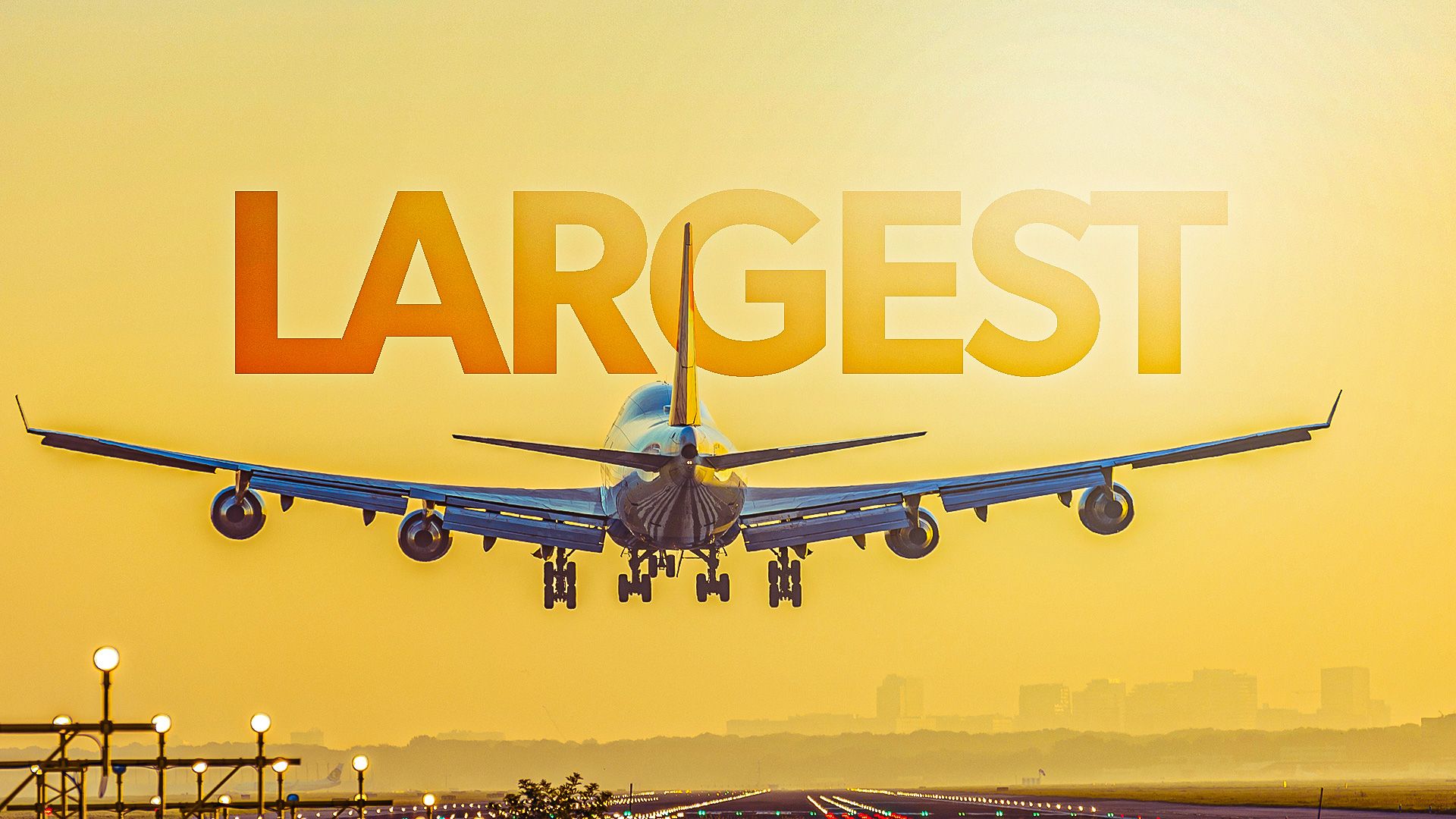
Atlas Air has emerged as the largest operator of the Boeing 747, specifically the Jumbo model, as it continues to expand its fleet. The company received the last Boeing 747-8 off the production line in 2023 and currently manages approximately 15% of the world’s remaining operational 747s. This figure is poised to increase as Atlas Air actively acquires second-hand Jumbos while other airlines, such as Singapore Airlines, consider transitioning to more modern aircraft.
The trend has been observed where older, out-of-production aircraft are first retired from passenger service before being converted into freighters. These freighters are typically consolidated under larger operators, which allows for efficient management of spare parts, training, and maintenance expertise. Such consolidations are exemplified by companies operating the MD-11 and the A300, which are predominantly in the hands of a few major freighter companies.
Background of Atlas Air
Founded in 1992, Atlas Air is a US-based cargo airline that has expanded its services to include passenger charter flights. The airline began its operations by leasing freighter aircraft to other carriers under an Aircraft, Crew, Maintenance, and Insurance (ACMI) model. In 1997, it ordered ten Boeing 747-400Fs, further establishing its position in the cargo industry. By 2001, Atlas Air Worldwide was formed, encompassing subsidiaries like Polar Air Cargo and Titan Aviation.
Atlas Air’s business model includes a diverse range of services such as cargo transport, leasing, and passenger charters, with a notable partnership with Amazon initiated in 2016. This partnership involved the operation of converted Boeing 767-300 freighters to support Amazon’s logistics needs.
Atlas Air’s Expanding Fleet of Boeing 747s
As of now, the Atlas Air Worldwide fleet consists of 88 aircraft, including 65 Boeing 747s, 10 Boeing 767s, and 13 Boeing 777s. The 747s comprise a mix of older 747-400s and the newer 747-8 variants. According to data from Ch-aviation, Atlas operates 47 Boeing 747-400s and 17 Boeing 747-8s, with most of these aircraft still actively flying, apart from a few exceptions.
The operational age of the fleet varies significantly; on average, the 747-400s are around 25.9 years old, compared to the 747-8s, which average 10.6 years. Notably, the oldest aircraft in the fleet are the four Dreamlifters, specialized for transporting large components for Boeing’s aircraft.
Atlas Air maintains a robust passenger charter service with five of its Boeing Jumbos configured for this purpose. The 747-400 VIP and 747-400 HD configurations offer a diverse capacity, with the former accommodating 189 seats and the latter up to 453 seats. Since launching its passenger service, Atlas has flown over one million passengers, catering to various groups including sports teams and corporate events.
The airline’s fleet is dynamic, with regular updates and acquisitions. In August 2024, Atlas Air announced the acquisition of three additional Boeing 747-8 freighters through a long-term finance lease agreement with BOC Aviation. This variant provides a 20% increase in payload capacity over the older 747-400F and a substantial 16% reduction in fuel consumption.
Recent acquisitions have included a total of 13 second-hand aircraft since receiving its last new 747 in February 2023. This strategic move reflects Atlas’s commitment to maintaining a competitive edge as industry demands evolve.
Atlas Air is not alone in the market; other significant operators include UPS Airlines with around 43 Jumbos, Cargolux with 30, and Lufthansa with fewer than 27. Currently, there are approximately 420 Boeing 747s still in service globally, with around 250 being 747-400s and 150 747-8s. The number of 747s in scheduled passenger service is declining, with a complete exit from this sector expected in the coming years.
As the world sees a shift towards more modern aircraft, operators like Atlas Air are poised to capitalize on the consolidation of 747s, ensuring that this iconic aircraft continues to play a significant role in the freight sector for years to come. The demand for specialized freighter services remains strong, with large-scale operators likely to be the primary beneficiaries as the landscape of air transport evolves.