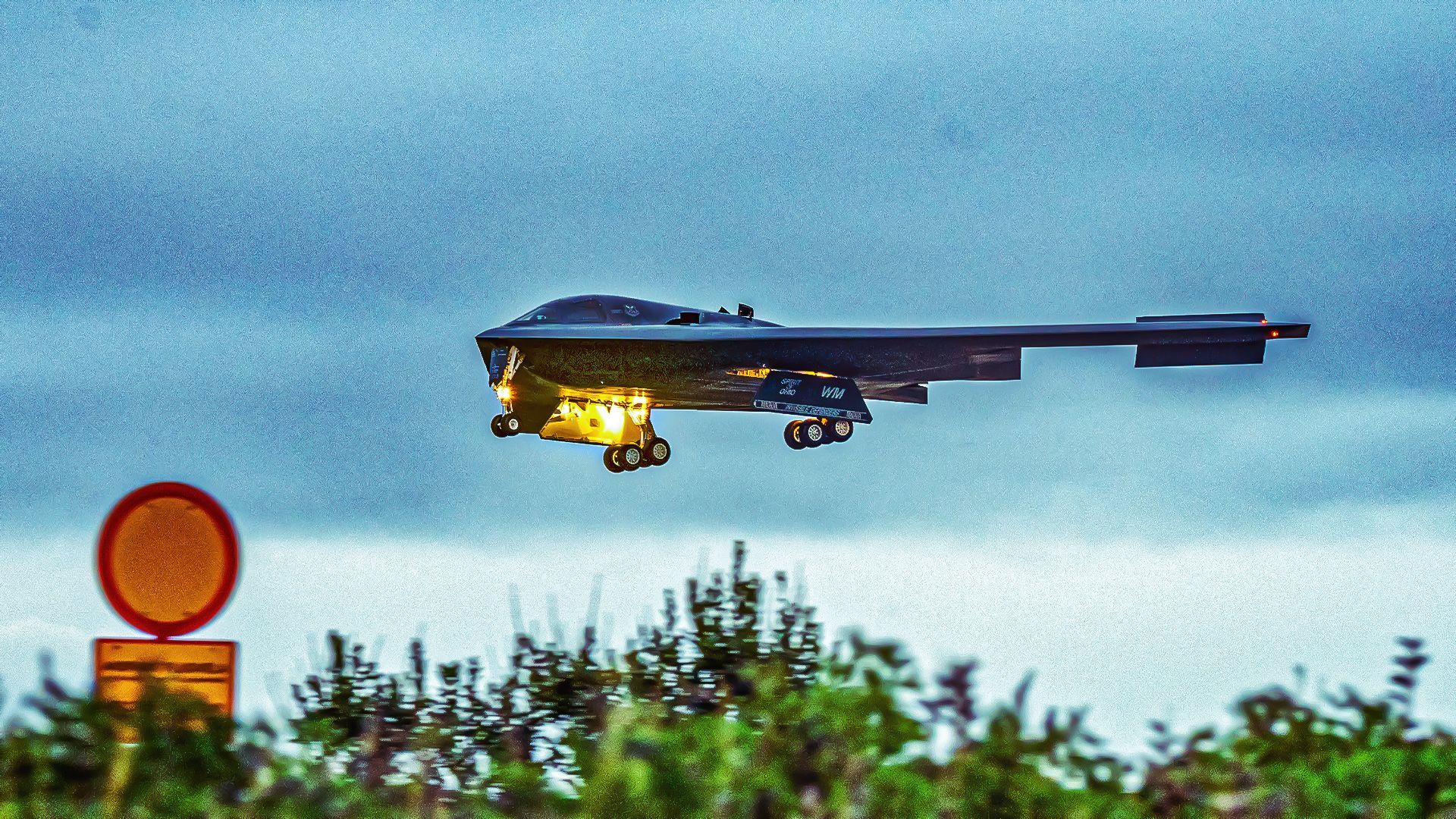
The operational costs of the Northrop Grumman B-2 Spirit stealth bomber present significant challenges for the US Air Force. With an average flight hour cost ranging from $130,000 to $150,000, the B-2 is the second most expensive aircraft globally, surpassed only by the Boeing E-4B Nightwatch, which exceeds $160,000 per hour, according to Economy Insights. As the Air Force prepares to introduce the B-21 Raider, which promises to be more cost-effective, the financial implications of maintaining the current fleet raise critical questions.
Understanding the Costs of the B-2 Spirit
The B-2 Spirit, a cornerstone of the Air Force’s long-range strike capabilities, incurs extensive maintenance costs, requiring approximately 50 to 60 hours of upkeep for every hour flown. In complex missions, this figure can soar to as high as 119 hours. Post-flight inspections often involve technicians conducting meticulous repairs, as even minor imperfections can compromise the aircraft’s stealth capabilities.
The B-2’s radar-absorbent material is particularly sensitive to environmental factors. Exposure to moisture can lead to degradation, necessitating specialized hangar facilities with stringent climate controls. These requirements severely limit deployment options, as only a few bases worldwide are equipped to manage the B-2’s unique needs. When stationed at non-permanent facilities, the Air Force must transport portable shelter systems costing around $5 million to protect the aircraft.
The Evolution of the B-21 Raider
The B-21 Raider, poised to succeed the B-2, is designed to address many of these logistical and operational challenges. Scheduled for production in the coming years, the B-21 aims to reduce operational costs significantly, targeting a flight hour cost of approximately $65,000. This next-generation bomber is expected to feature a durable stealth coating that eliminates the need for specialized hangars, allowing for greater flexibility in deployment.
The B-21’s design embraces modern technology, including augmented reality for maintenance and robust digital systems for rapid integration of new weapons. This approach contrasts sharply with the B-2’s maintenance-intensive design, which relies on a complex array of components that must be meticulously assembled and repaired.
Despite its impressive capabilities, the B-2’s limited production run—cut from an initial expectation of 100 to 200 units to just 21—has further inflated its costs. The scarcity of parts and specialized knowledge has made maintaining the B-2 increasingly challenging, with the Air Force often resorting to costly reverse engineering for replacement components.
The B-21 Raider promises a more sustainable future for the Air Force, utilizing modular designs and advanced manufacturing techniques. By leveraging existing technologies from platforms like the Lockheed Martin F-35, the B-21 aims for greater reliability and reduced operational costs, ensuring a more efficient and capable bomber force.
In summary, while the B-2 Spirit remains a vital element of US defense strategy, its operational costs highlight the urgent need for a transition to the more affordable and versatile B-21 Raider. The shift not only represents a financial necessity but also an evolution in military strategy to meet modern defense challenges.