Bac Ninh, a city in northern Vietnam, has undergone a significant transformation as it evolves into a major manufacturing hub. This change is largely attributed to a surge in foreign investment, particularly following trade tensions between the United States and China. As factories relocate from China, Bac Ninh has positioned itself as a key player in the global supply chain, capitalizing on its strategic location and favorable investment climate.
Historically known for its rice fields and traditional folk songs, Bac Ninh’s economic landscape has dramatically shifted since the establishment of Samsung’s first phone factory in the region around 2008. This move marked the beginning of a manufacturing boom that has since attracted numerous foreign companies, particularly from China. The influx of investment has been further accelerated by U.S. tariff increases under former President Donald Trump, prompting companies to seek alternatives outside China.
With a booming economy, Bac Ninh has become a competitive manufacturing zone, yet it faces challenges that could hinder its growth. Rising labor costs, which have increased by 10% to 15% since 2024, coupled with worker shortages and inadequate infrastructure, are beginning to expose the limitations of this rapid expansion. As Chinese firms diversify their production sites to evade U.S. tariffs, Bac Ninh must navigate a increasingly competitive landscape that includes countries like Indonesia and the Philippines, both eager to attract new investments.
Strategic Infrastructure Developments
In response to these challenges, Vietnam’s government is investing heavily in infrastructure improvements. A new highway connecting Bac Ninh to the Chinese border has reduced travel time by over an hour, while a planned railway will link Hanoi to Haiphong, the nation’s largest seaport. On December 19, 2023, Bac Ninh initiated the expansion of an industrial zone aimed at high-tech manufacturing sectors including electronics, pharmaceuticals, and clean energy. This initiative is part of a broader effort by the Vietnamese government to launch 234 major projects worth more than $129 billion ahead of a crucial National Party Congress in January 2024.
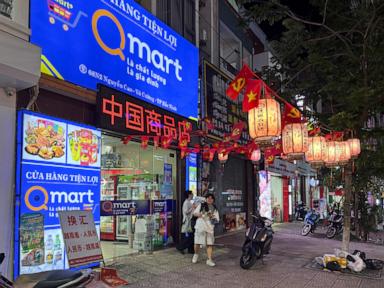
The local economy is also adapting to the influx of Chinese investment. Signs in Chinese are now common, and language schools have emerged to facilitate communication between local residents and Chinese investors. This trend reflects Bac Ninh’s growing role as a bridge between the two nations, enhancing its position within the global manufacturing landscape.
Yet, as demand for labor increases, companies are facing challenges in recruitment. According to a worker from a telecom equipment firm that relocated from China, “It is becoming difficult to recruit workers,” highlighting the rising cost of labor as a significant concern. The competitive “China plus one” strategy, which encourages companies to diversify their production locations, is becoming increasingly complex as labor costs in Vietnam rise.
Future Prospects and Challenges
Despite these hurdles, Bac Ninh continues to attract substantial foreign investment, with cumulative investments reaching over $28.5 billion as of September 2023, a 15% increase from the previous year. However, concerns regarding Vietnam’s role as a hub for circumventing tariffs are prompting some manufacturers to consider alternative locations. One customer of SEKO Logistics has already shifted part of its production to India to mitigate risks associated with over-reliance on Vietnam.
Vietnam aims to transition from low-cost assembly to higher-value manufacturing by 2045, aspiring to become Asia’s next “tiger economy.” The government is offering incentives like tax breaks on imported machinery to encourage modernization and attract long-term investments. Yet, the country still relies heavily on Chinese technology and expertise, emphasizing that building a comparable manufacturing ecosystem will take time.
As Bac Ninh and Vietnam as a whole strive to maintain their competitive edge, the stakes are high. Prime Minister Pham Minh Chinh recently articulated the ambitious vision for Vietnam’s economic future, stating that the country must “reach far into the ocean, delve deep underground and soar high into space.” This determination reflects the challenges and opportunities that lie ahead as Bac Ninh continues to evolve in a rapidly changing global landscape.