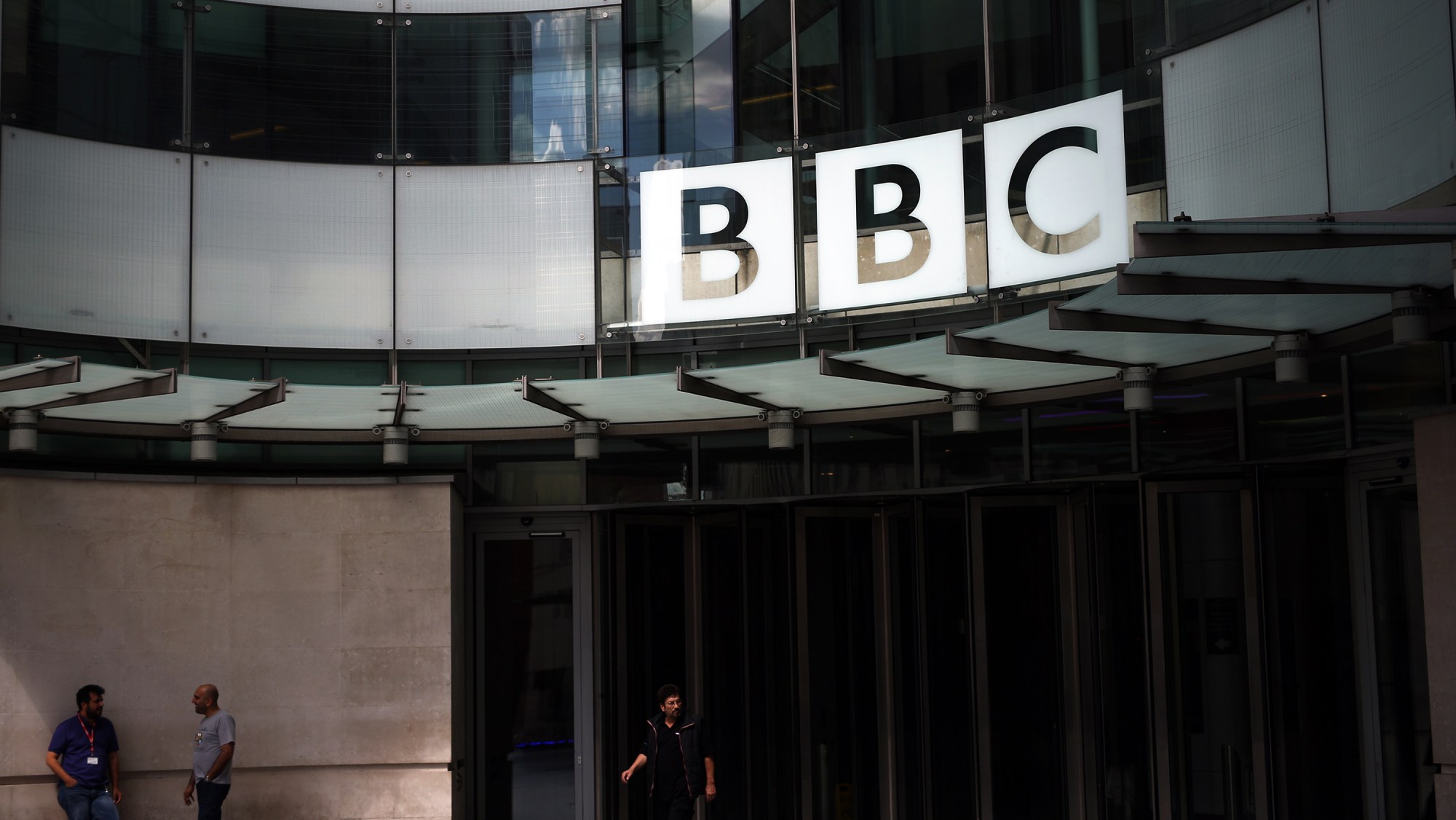
The BBC has announced a significant partnership with YouTube, under which it will begin producing original content for the platform. This groundbreaking agreement aims to enhance the broadcaster’s appeal to younger audiences in the digital landscape, particularly focusing on the viewer demographic of the BBC Three channel. The collaboration underscores the BBC’s intent to adapt its content strategy in response to the evolving media consumption habits driven by platforms like YouTube.
The initial content will encompass entertainment, news, and sports, with plans for these productions to be accessible on both the iPlayer streaming service and the BBC Sounds audio platform in the future. Historically, the BBC has not created original series specifically for YouTube. Nevertheless, its primary account on the platform boasts over 15 million subscribers, who currently enjoy trailers and clips from various programs. Additionally, the BBC News channel on YouTube has approximately 19 million subscribers, indicating a substantial existing audience base.
This partnership represents a pivotal moment for the BBC as it seeks to diversify its revenue streams. Currently, the organisation operates without traditional advertising within the U.K., making the creation of YouTube originals a strategic move to monetize content in international markets. This shift aligns with the BBC’s broader objective of increasing income following challenges related to its license fee structure, which is funded by U.K. taxpayers.
Juliane Althoff, a film and TV lawyer and partner at media and entertainment law firm Simkins LLP, commented on the significance of the deal. She stated, “This deal marks a strategic acknowledgement of where audiences now sit and how they consume content – especially younger demographics – and reflects the need to increase commercial opportunities to supplement the license fee.”
The agreement allows the BBC to commission content for YouTube while retaining the rights to exploit the same content on its own platforms, thereby expanding its audience reach. Althoff noted that this approach balances the BBC’s public service obligations with its commercial interests.
However, the deal also raises important questions regarding editorial control and brand integrity. Althoff emphasized that any agreement between the BBC and YouTube must be meticulously structured to ensure strict impartiality and accuracy in the content produced. This precaution aims to prevent any potential accusations of bias or misinformation, thereby safeguarding the BBC’s long-standing commitment to public service.
As this partnership unfolds, it will be crucial for the BBC to navigate the complexities of digital content creation while upholding its reputation for quality and integrity. The outcome of this initiative will likely influence how public broadcasters engage with new media and adapt to the changing landscape of television and online content consumption.