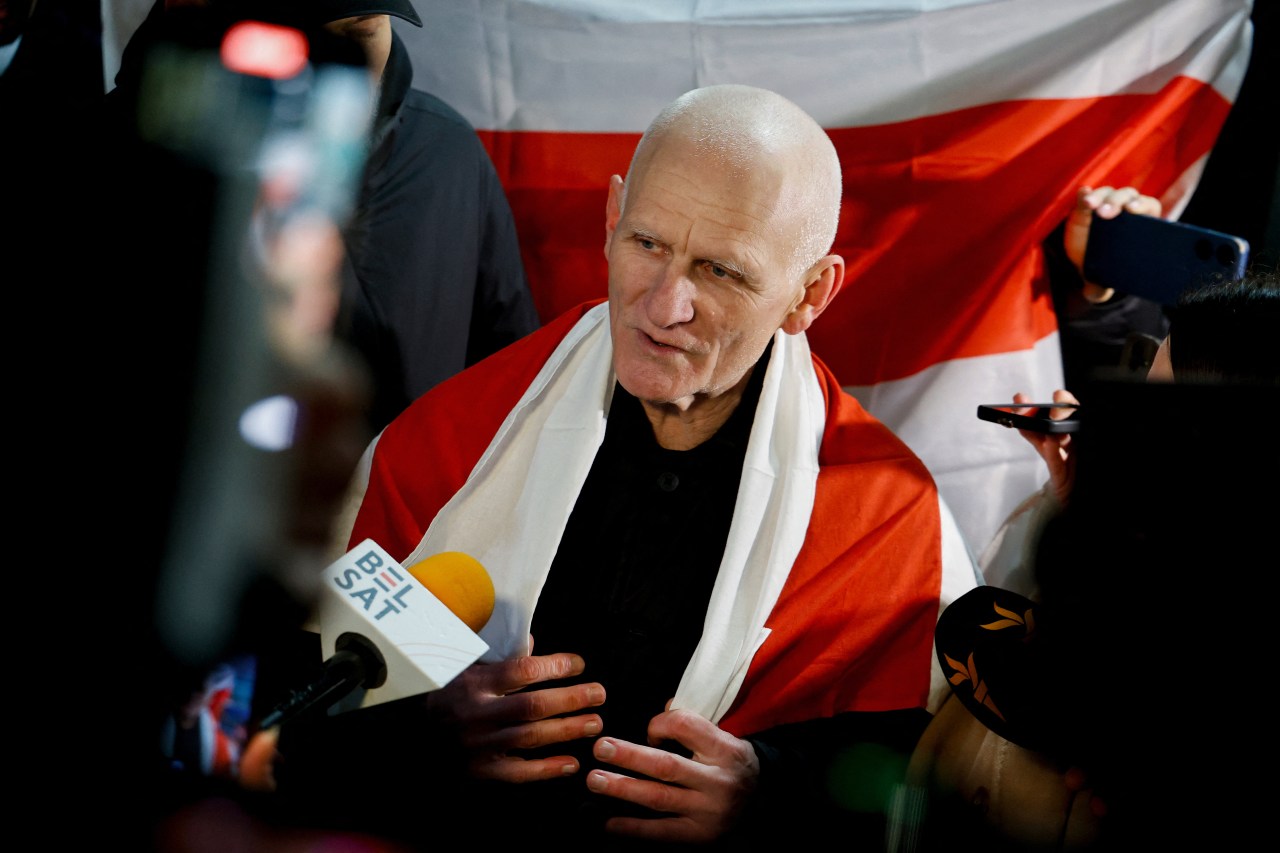
Belarus has released prominent political prisoners, including Nobel laureate Ales Bialiatski, following a recent easing of sanctions by the United States. This significant move reflects a thaw in relations between Washington and Minsk, which have been tense for years due to Belarus’ political repression and human rights violations.
On March 23, 2023, the U.S. announced a reduction in certain sanctions against Belarus. This decision came as a strategic shift aimed at encouraging dialogue and promoting human rights within the country. The easing of sanctions has opened the door for potential engagement with the Belarusian government, led by Alexander Lukashenko, who has faced international isolation since his controversial re-election in 2020.
The release of Bialiatski, a prominent human rights advocate and co-founder of the Viasna Human Rights Centre, is particularly noteworthy. He was sentenced to ten years in prison on charges widely regarded as politically motivated. His detention became emblematic of the broader crackdown on dissent in Belarus. The U.S. State Department has welcomed his release, emphasizing the importance of safeguarding human rights and fundamental freedoms.
This development is part of a larger pattern of releases that include other political prisoners who have been held since the protests erupted against Lukashenko’s regime. The Belarusian government has faced increasing pressure from the European Union and various human rights organizations to address its treatment of political dissidents.
Strategically, the U.S. move to ease sanctions appears to be designed to leverage diplomatic relations with Belarus. The Biden administration aims to encourage reforms and dialogue while addressing the need for a stable political climate in Eastern Europe. As part of this approach, the U.S. has expressed its willingness to work with European allies to promote a more constructive relationship with Belarus.
While the release of prisoners is a positive step, analysts caution that it is essential to monitor any practical changes in Belarus’s political landscape. Many believe that Lukashenko’s government may attempt to project a more favorable image internationally while continuing to suppress internal dissent.
The international community is watching closely to determine whether these recent actions will lead to a broader commitment to human rights and democratic reforms in Belarus. The European Union has reiterated its stance on human rights, stating that any improvements in relations will be contingent on meaningful changes within the country.
As discussions continue regarding the future of Belarus and its relationship with the West, the fate of political prisoners remains a critical issue. The actions taken by the U.S. and the responses from the Belarusian government will likely shape the dynamics of this relationship in the coming months.
In summary, the release of Ales Bialiatski and other political prisoners marks a significant moment in Belarus’s ongoing struggle for democracy and human rights. Whether this will lead to lasting change is uncertain, but the international community remains hopeful for a more open and democratic Belarus.