The Boeing 747-8 is set to remain a significant player in aviation for the foreseeable future, contrary to expectations of an imminent retirement. Currently, there are 28 active Boeing 747-8 aircraft across five operators, with the youngest models being around eight years old. This age profile suggests that the aircraft can remain operational well into their 20s, especially as they serve unique roles that other aircraft cannot replicate.
The operational longevity of the Boeing 747-8 is supported by its versatility. It offers not only high passenger capacity but also substantial belly cargo space, making it attractive for airlines. Lufthansa operates the largest portion of the active fleet, while Air China and Korean Air maintain smaller numbers for high-density routes. Additionally, the aircraft has found a second life in various state and special-mission roles, contributing to its extended operational timeline.
Understanding the Boeing 747-8’s Unique Features
As the latest iteration of Boeing’s iconic 747 family, the Boeing 747-8 includes several advancements over its predecessors. It features a stretched fuselage, redesigned wings, and improved fuel capacity, allowing it to undertake long-range missions effectively. The aircraft is powered by four General Electric GEnx-2B engines, enhancing efficiency and reducing noise.
The Boeing 747-8 comes in two primary variants: the passenger model, known as the 747-8 Intercontinental, and the freighter model. The passenger variant typically accommodates around 467 passengers in a three-class layout, while the freighter variant maximizes payload capacity. This flexibility enables airlines to adapt the aircraft to a variety of operational needs.
Current Operators and Future Prospects
Active Boeing 747-8 passenger models are predominantly flown by three airlines: Lufthansa, Air China, and Korean Air, which operate 16, six, and four aircraft, respectively. Lufthansa’s fleet is primarily composed of planes aged between 10 and 14 years, with one aircraft projected for retirement by the end of this year. This gradual approach to retirement highlights the demand for the aircraft on high-density routes.
Air China’s models average around 10 to 11 years old, maintaining economic viability on busy trunk routes. Korean Air’s aircraft are even newer, with retirements not scheduled until January 2031. This points to a strategic decision by these airlines to utilize the unique capabilities of the 747-8 effectively.
Beyond passenger operations, the Boeing 747-8 also serves critical roles in governmental and military capacities. Notably, the Egyptian Air Force and the Republic of Korea Air Force operate modified versions for VIP transport, featuring specialized interiors designed for security and comfort. These adaptations further reinforce the aircraft’s longevity, as governments typically maintain long-term support for such platforms.
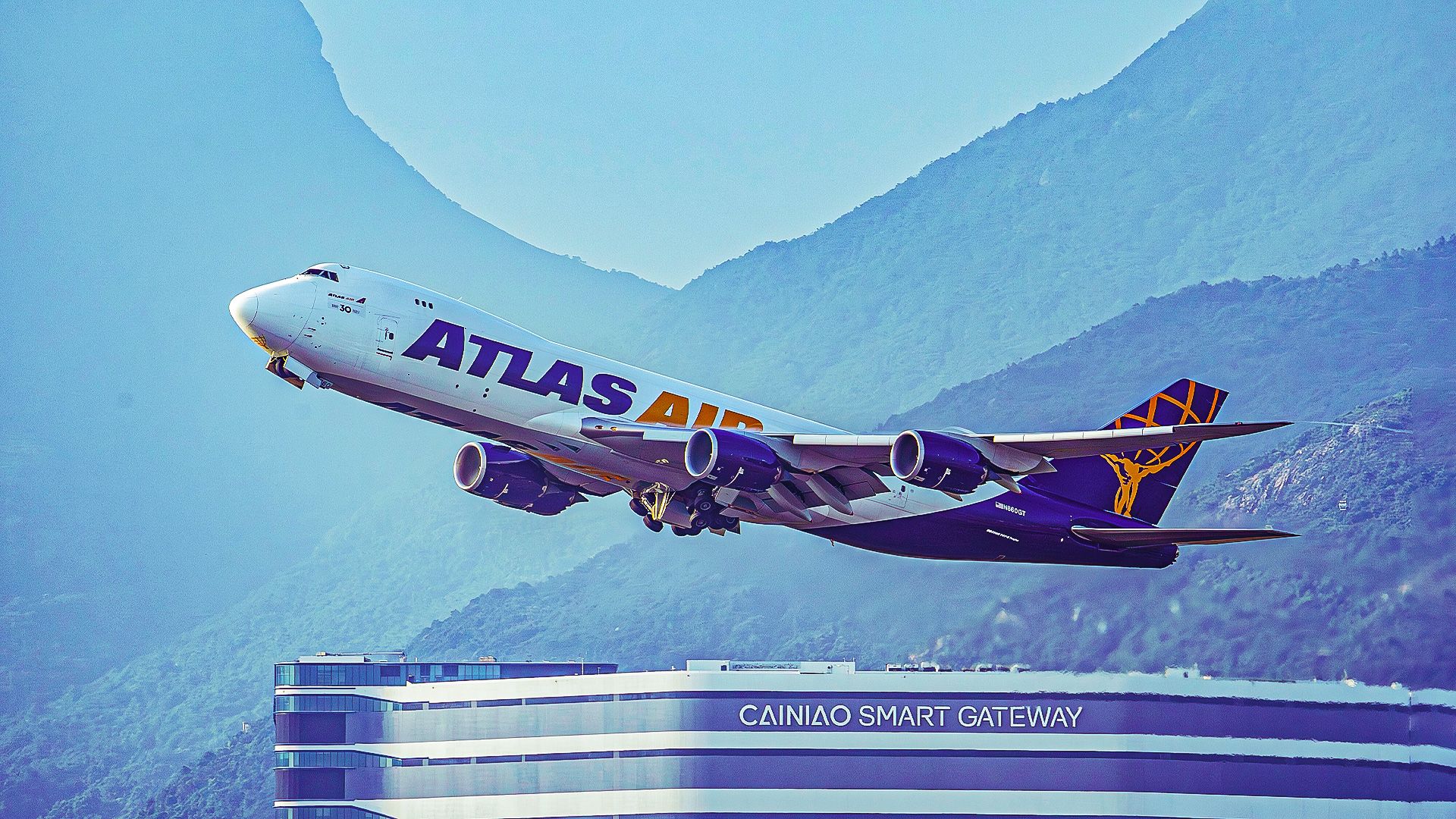
The Boeing 747-8 Freighter model continues to thrive in the cargo sector, serving various global destinations. Cargo carriers rely heavily on these aircraft, ensuring that they remain a vital component of the logistics network.
The closure of the production line in January 2023 has not diminished the aircraft’s relevance. Existing operators are expected to keep their fleets operational for several more years, supported by a robust supply of spare parts and maintenance resources.
Furthermore, the U.S. government plans to extend the 747-8’s service life through the VC-25B program, which will modify two aircraft to replace the current executive transport fleet. Scheduled to enter service by 2028, these planes underscore the aircraft’s continued importance in specialized roles.
In conclusion, the Boeing 747-8 is unlikely to see a mass retirement in the near future. As airlines and governments continue to leverage its unique capabilities, this legendary aircraft will remain a fixture in the skies for decades to come. The gradual retirement of individual planes, rather than a swift exit from service, will characterize its future. While operational challenges such as fuel costs and emissions regulations exist, the Boeing 747-8’s design and versatility ensure its ongoing relevance in modern aviation.