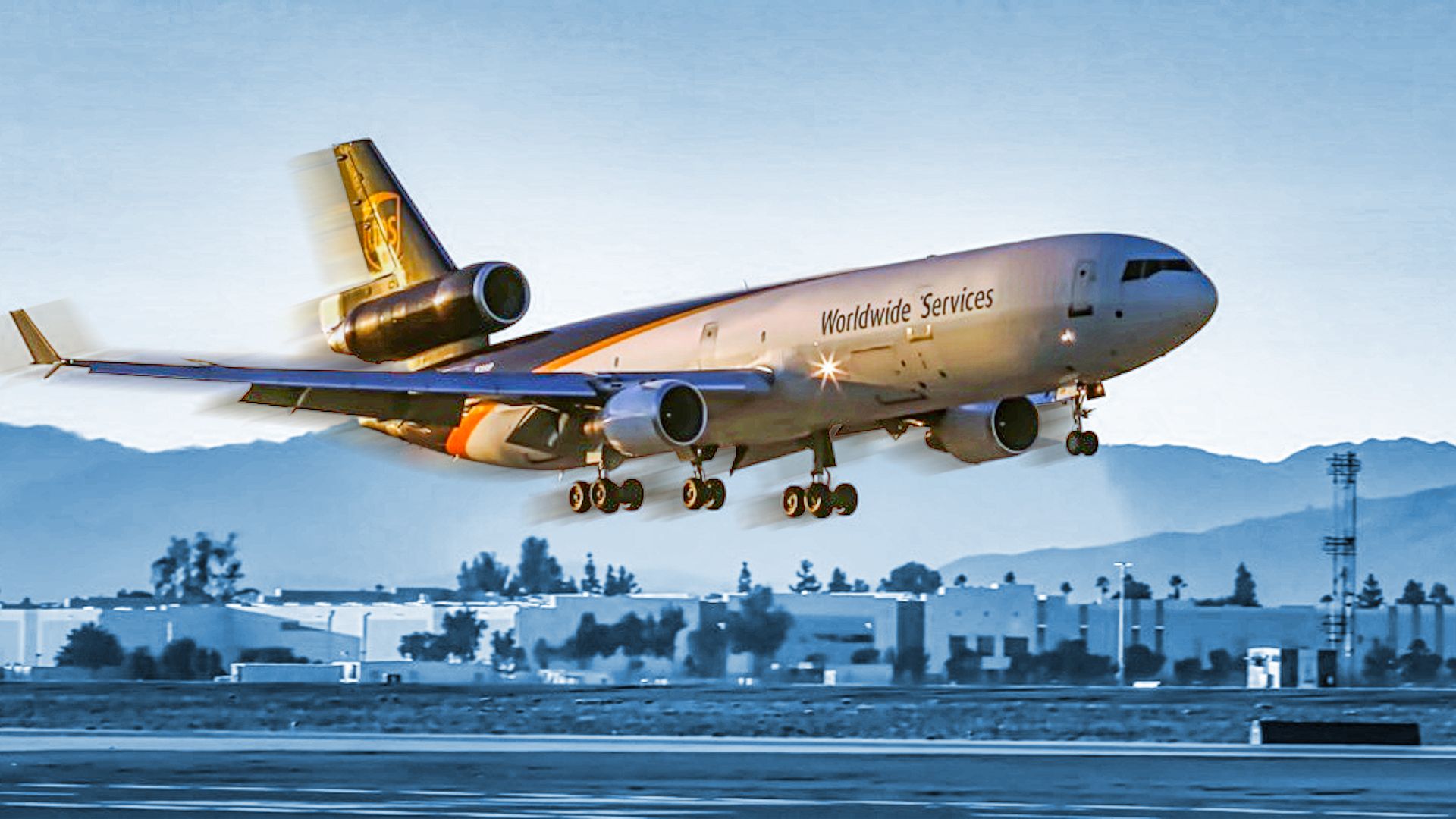
The merger between Boeing and McDonnell Douglas on August 1, 1997, prompted discussions about the naming of the McDonnell Douglas MD-11. Boeing decided not to rebrand the aircraft, despite its acquisition of the manufacturer, opting instead to maintain the established identity of the MD-11. This decision stemmed from a combination of factors, including the aircraft’s mature status and the desire to avoid market disruption.
Boeing’s acquisition of McDonnell Douglas brought with it a range of aircraft, but by the time the merger was finalized, the MD-11 was already a certified widebody aircraft with a substantial operational history. The jet had entered service in 1991 and had been utilized by a number of airlines, including Delta Air Lines and Swissair, primarily for long-haul routes. The rebranding of a type that was already in service would have necessitated significant changes to training materials, documentation, and regulatory compliance, which would likely have caused confusion among operators and pilots.
MD-11: A Unique Aircraft with Strong Long-Range Capabilities
The MD-11 was designed to enhance the capabilities of its predecessor, the DC-10, transforming it into a more efficient and capable long-range aircraft. Its tri-engine design, featuring two engines mounted under the wings and one at the tail, allowed it to carry between 300 and 400 passengers, depending on the chosen configuration. The introduction of a two-pilot “Advanced Common Flightdeck” streamlined operations by eliminating the need for a flight engineer, aligning it with modern cockpit standards.
Despite its technological advancements, the MD-11 faced challenges as the aviation market evolved. As twin-engine widebodies like the Boeing 777 and Airbus A330 gained market traction due to their improved operating economics, demand for three-engine aircraft began to wane. In total, only 200 MD-11s were built before Boeing announced the program’s phase-out in 1998.
The MD-11 found a lasting legacy primarily in cargo operations, with Federal Express emerging as the largest operator of the aircraft, utilizing it for long-haul freight services. Other operators, such as UPS and Lufthansa Cargo, also valued the MD-11 for its payload capabilities, although the aircraft’s aging design has led to a gradual reduction in its operational fleet.
Branding Decisions: MD-11 vs. Boeing 717
Boeing’s decision not to change the MD-11’s name contrasts with its approach to the MD-95, which was rebranded as the Boeing 717. Unlike the MD-11, the MD-95 was a newer aircraft program that needed a marketing boost to attract orders. Rebranding the MD-95 allowed Boeing to position it as part of its main product line, giving it a fresh identity and increasing its appeal to potential customers.
The naming conventions in aviation often reflect operational realities rather than corporate branding. For instance, older DC-10s were modified to incorporate the Advanced Common Flightdeck, resulting in the creation of the MD-10. This designation highlighted the aircraft’s upgrades while maintaining its core structure. Such operational distinctions illustrate how naming can serve practical purposes while also reflecting changes in technology and training.
In conclusion, Boeing’s choice to retain the MD-11 name after acquiring McDonnell Douglas can be seen as a strategic move aimed at preserving continuity for existing operators and minimizing potential disruptions in the market. The MD-11 remains a notable part of aviation history, representing both the challenges and advancements of its era.